Content
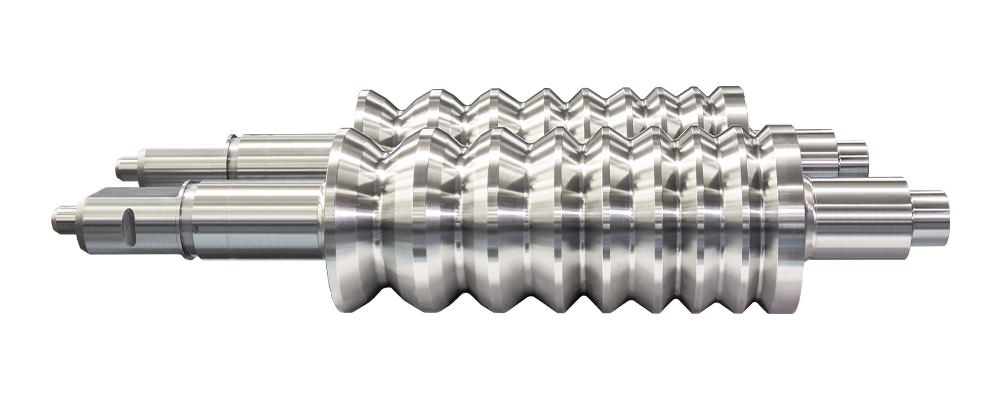
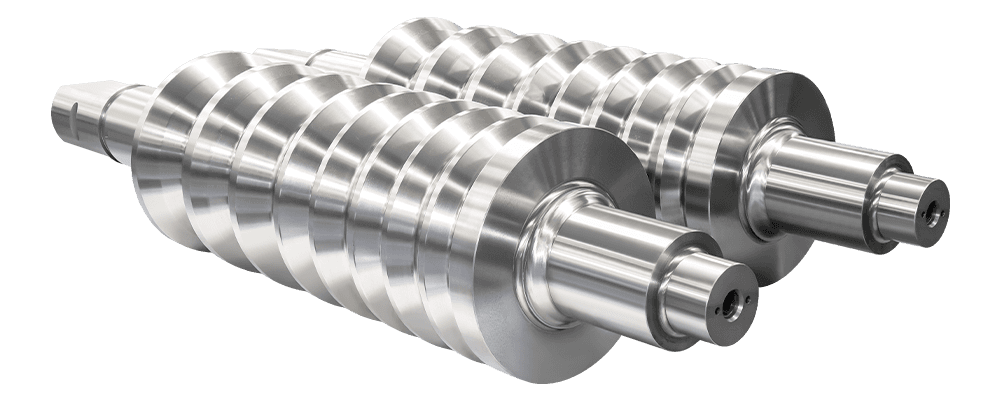
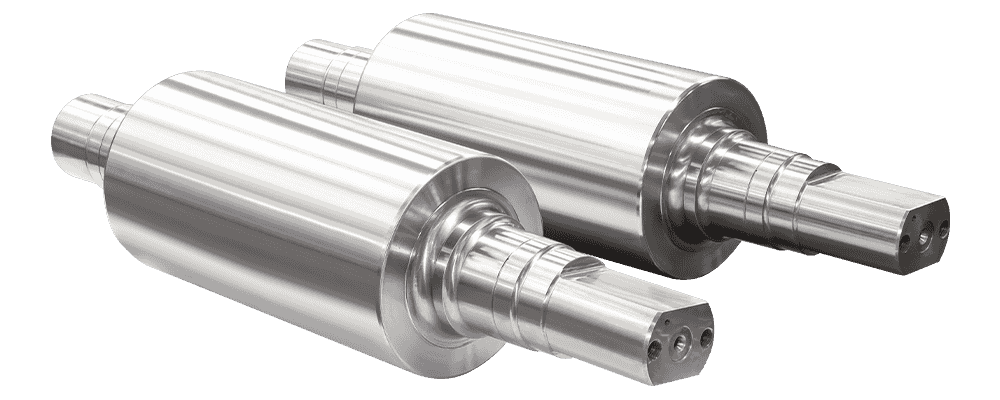
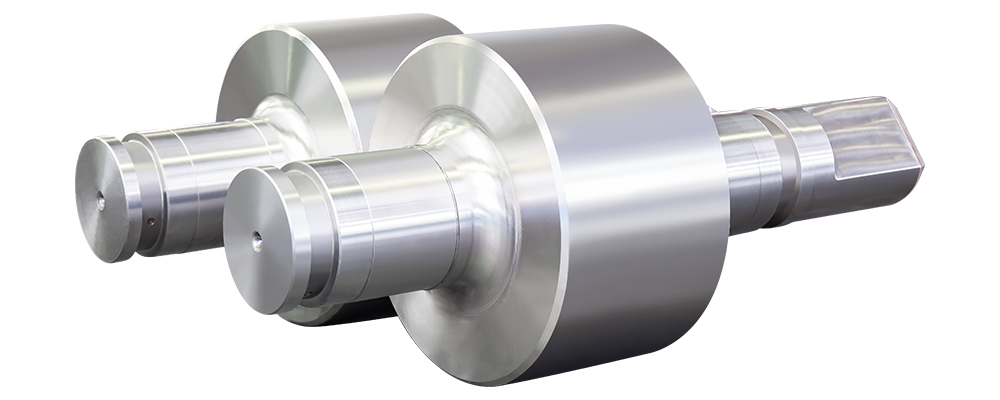
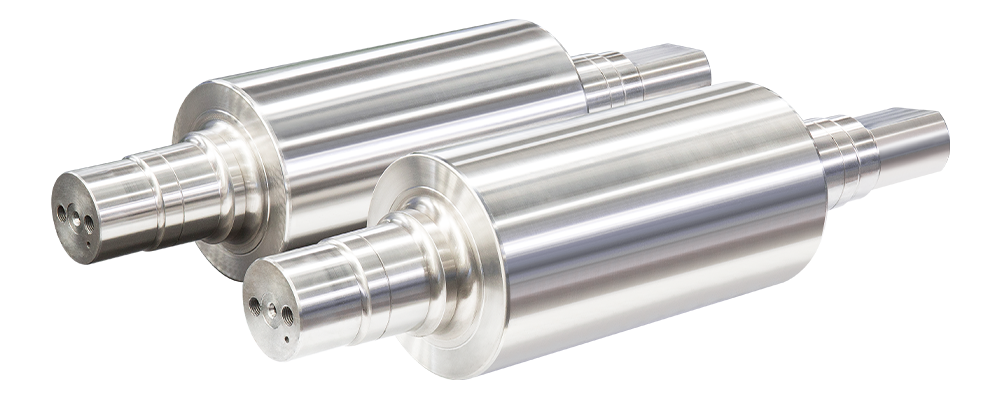
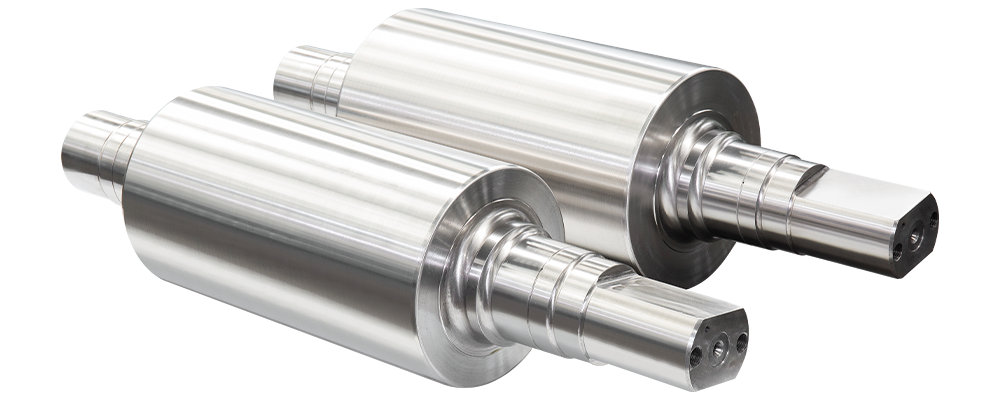
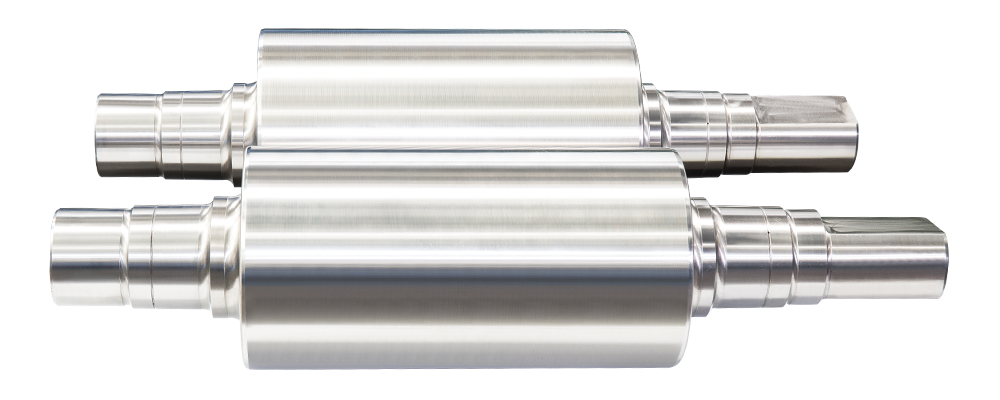
A single campaign of mismatched rolls can cost a steel mill tens of thousands of dollars in unplanned downtime, excessive redressing, and surface defects. Roll selection is rarely glamorous, but it is one of the highest-leverage decisions in rolling mill operations. Alloy Cast Steel Rolls occupy a specific and important position in that decision tree — and understanding where they excel (and where they don't) is the starting point for any procurement team or process engineer.
The core distinction is structural. Cast iron rolls contain carbon levels above 2%, which forms graphite flakes or nodules in the microstructure — excellent for damping vibration and providing surface hardness, but limited in tensile strength and resistance to fracture under heavy impact. Alloy cast steel, by contrast, keeps carbon below 2%, yielding a matrix of pearlite or tempered sorbite that delivers far superior toughness under shock loading.
Alloying elements — primarily chromium, molybdenum, and nickel — are added to enhance specific properties. Chromium forms hard carbides that resist abrasive wear. Molybdenum improves hardenability and high-temperature strength. Nickel increases toughness in the core and neck regions, which matters most in large-diameter backup rolls where fracture risk is the primary failure mode.
The result: Alloy Cast Steel Rolls combine hardness values typically in the 35–55 HSD range for low-alloy grades and up to 75 HSD for high-chromium grades, with toughness and thermal fatigue resistance that cast iron cannot match in roughing environments.
Not all alloy cast steel is the same. Three compositions cover the majority of industrial applications:
Grade AS65I suits backup rolls and roughing applications where tensile strength and hot crack resistance are paramount. Grade AS70II is a standard choice for section steel roughing and medium mills. Grade AS75I is typically specified for blooming and slabbing mills where the combination of high load capacity and thermal durability is non-negotiable.
A roll's composition tells only part of the story. The casting and heat treatment process determines whether the metallurgical promises on paper translate into field performance. Reliable manufacturers use electric arc furnaces (EAF) or induction furnaces, followed by ladle refining to control sulfur and phosphorus below 0.025% each. For large rolls exceeding 800 mm diameter, vacuum degassing limits hydrogen below 2 ppm, which directly reduces internal porosity and susceptibility to hydrogen-induced cracking.
Centrifugal casting has become the preferred method for composite rolls — it creates radial compositional gradients that static sand casting cannot achieve, placing the hardest material at the working surface while keeping the core tougher and more fracture-resistant. Post-casting, the heat treatment sequence (annealing, quenching, and tempering) must be matched precisely to the alloy composition; a misjudged tempering temperature of even 20–30°C can shift hardness by several HSD points and compromise thermal fatigue resistance.
Buyers should request documentation showing controlled cooling rates, final hardness mapping across the barrel (minimum five measurement points), and ultrasonic C-scan results confirming freedom from internal porosity. These are not optional extras — they are the baseline for responsible procurement of cast steel rolls for rolling mill applications.
Correct stand assignment is as important as correct grade selection. In hot strip mill roughing stands, low-alloy cast steel rolls typically achieve campaign lengths of 150–400 km of rolled product before redressing — a wide range driven by rolling schedule severity and water cooling adequacy. Demanding schedules or inadequate cooling compress that range significantly.
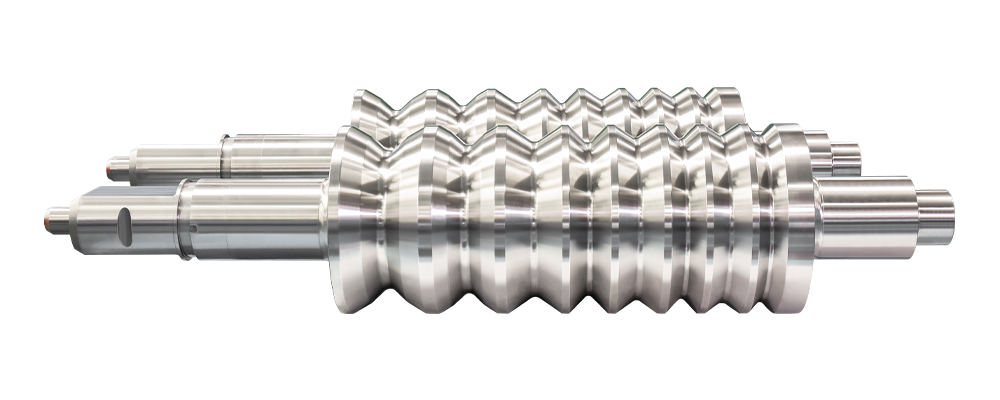
For section steel mills and wire rod roughing passes, grades AS65I and AS70II provide the combination of groove stability and thermal crack resistance that these high-contact-area applications demand. Blooming and slabbing mills operate under the heaviest single-pass loads in the mill — AS75I or equivalent high-toughness grades are the correct specification here, not an upgrade opportunity.
Where wear resistance is the primary constraint rather than toughness — such as in finishing stands processing harder steel grades — consider whether high-speed steel rolls engineered for finishing and pre-finishing positions would deliver better campaign economics, even at higher unit cost.
The market for alloy cast steel rolls is crowded. These five criteria cut through the noise:
Alloy cast steel rolls are not the answer to every rolling challenge — but for roughing stands, backup roll positions, and heavy-section mills, they represent the best balance of strength, thermal fatigue resistance, and cost-per-tonne economics available. Getting the grade right, verifying the manufacturing process, and holding suppliers to documented quality standards will consistently outperform chasing the lowest unit price.
If you're specifying rolls for a new campaign or evaluating alternatives to your current supplier, explore the full range of Alloy Cast Steel Rolls available by grade and application, alongside complementary options including cast iron rolls for finishing and intermediate stand applications and roll rings for high-speed wire rod and bar mills.

Copyright © Huzhou Zhonghang Roll Co., Ltd. All Rights Reserved.


 English
 中文简体
中文简体