Content
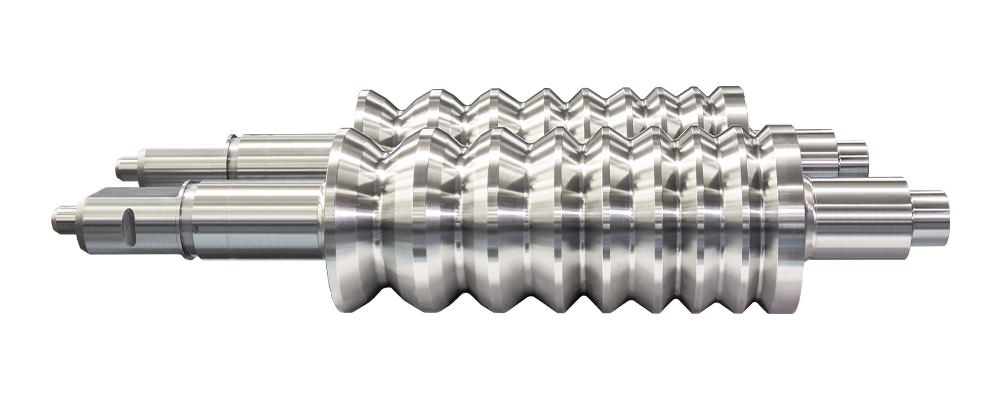
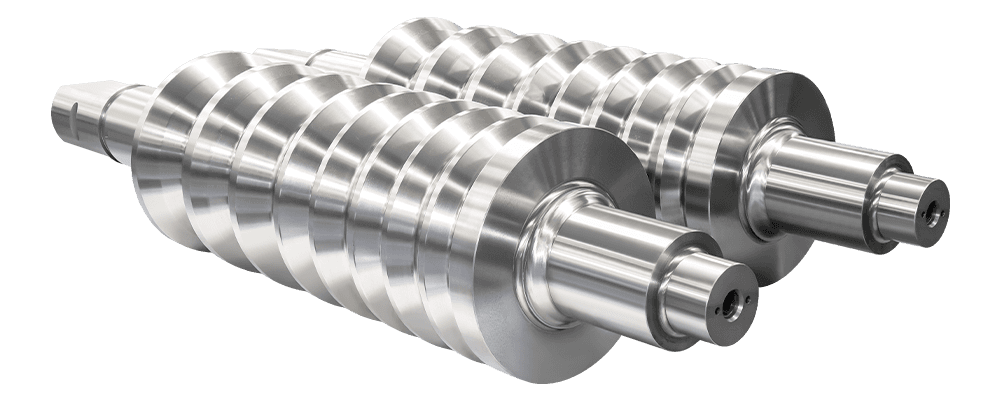
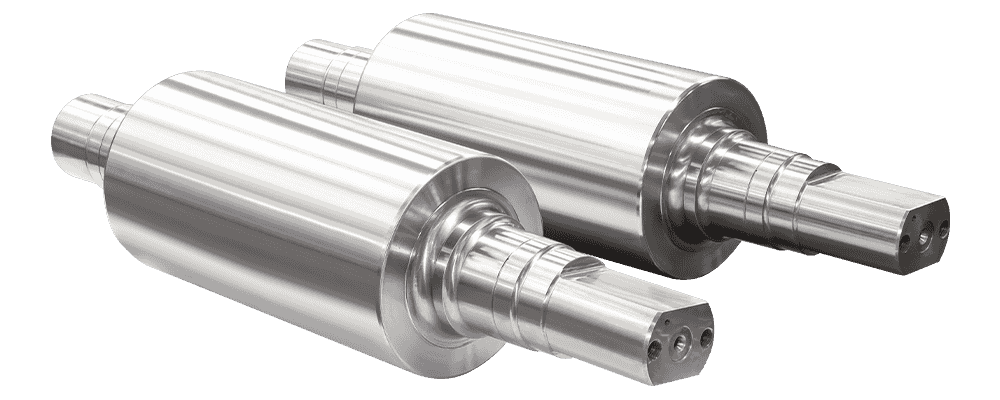
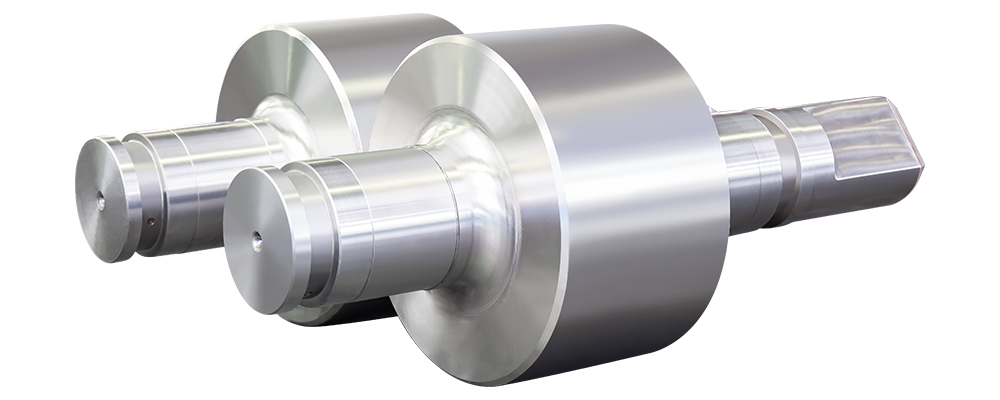
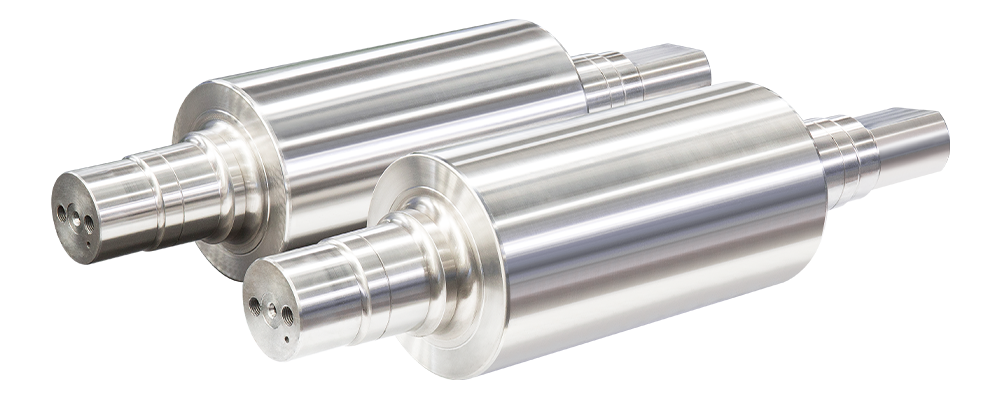
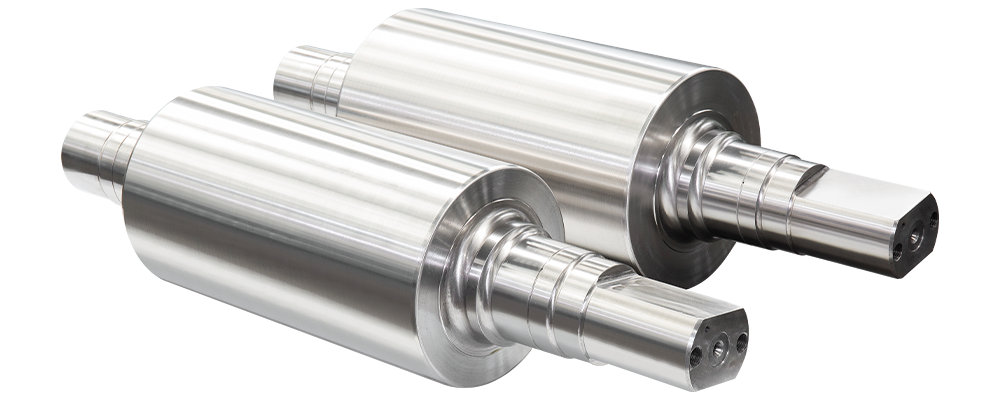
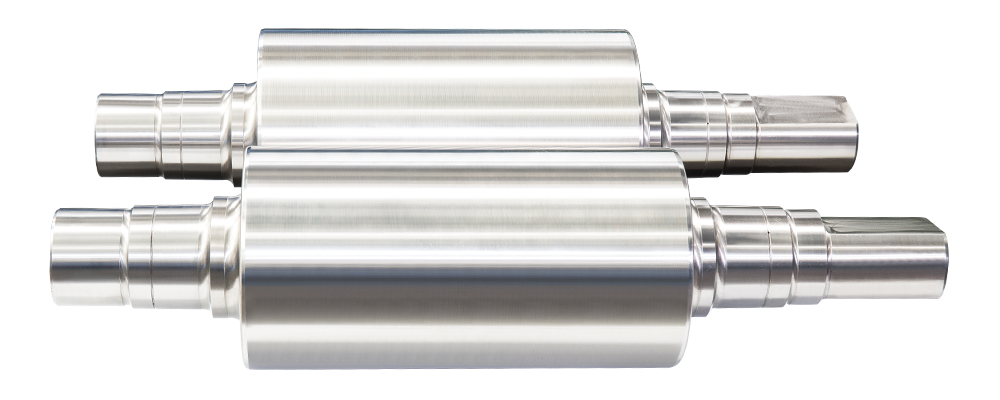
A finishing stand running the wrong roll material doesn't just wear faster — it scraps tonnage. High Speed Steel (HSS) rolls were developed precisely to solve this problem: delivering hardness that holds at elevated temperatures, wear resistance that stretches campaign lengths, and surface stability that protects product quality pass after pass. This guide breaks down how they work, which grade fits your mill, and what to check before you order.
What separates HSS rolls from conventional cast iron or alloy steel rolls is the density of hard carbides embedded in the steel matrix. A standard HSS roll carries 1.50–2.20% carbon combined with strong carbide-forming elements: chromium (3.00–8.00%), molybdenum (2.00–8.00%), vanadium (2.00–9.00%), and tungsten (up to 8.00%). These proportions produce MC-type and M₂C-type carbides — among the hardest phases achievable in a cast roll.
The practical result is a roll body where hardness doesn't drop significantly from the shell surface down through the working layer. That uniform hardness profile means the roll continues performing at the same level as it wears, rather than degrading once a softer subsurface layer is exposed. To understand exactly how each alloying element contributes to carbide volume fraction and abrasion resistance, see how alloying elements shape HSS carbide volume and wear resistance.
Not every stand needs full HSS chemistry. Two primary grades are available, and the choice comes down to operating speed, reduction per pass, and whether surface finish or toughness takes priority.
| Parameter | HSS (Full Grade) | S-HSS (Semi Grade) |
|---|---|---|
| Carbon % | 1.50–2.20 | 0.60–1.20 |
| Chromium % | 3.00–8.00 | 3.00–9.00 |
| Vanadium % | 2.00–9.00 | 0.40–3.00 |
| Hardness (HSD) | 75–95 | 75–85 / 80–98 |
| Best suited for | Bar mill finishing, wire rod pre-finishing | Hot strip work rolls, mixed-load applications |
Full HSS grade carries more vanadium and carbon, producing a higher volume of hard carbides and correspondingly greater wear resistance. S-HSS reduces carbon and vanadium, which lowers carbide density but improves toughness and thermal crack resistance — a worthwhile trade-off on stands that see heavier impact loads or wider temperature swings. For hot strip applications, Semi-High Speed Steel rolls for hot strip work rollers cover the HSD 75–98 range with grade options matched to specific pass conditions.
HSS rolls are not a universal solution — they earn their cost premium in specific stand positions where wear resistance and surface quality are both non-negotiable.
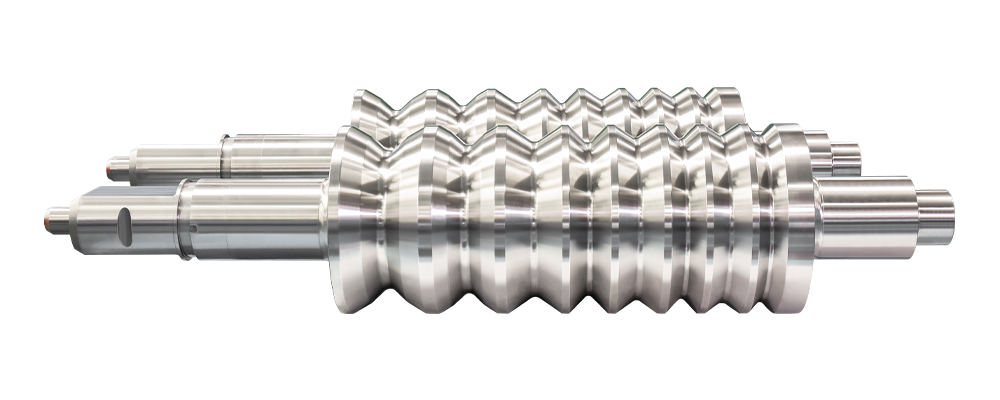
For compact mill configurations, high speed steel roll rings offer the same alloy chemistry in a ring format suited to block mills and reducing/sizing stands.
Grade alone doesn't determine performance — the specification needs to match the operating conditions of the specific stand.
An HSS roll left unattended quickly develops surface fire cracks that, if ground too late, propagate into the working layer and shorten usable life. A simple inspection routine prevents this.
High Speed Steel rolls represent a significant investment per unit, but when matched to the right stand and maintained with consistent grinding discipline, their cost per ton of steel rolled is routinely lower than the cast iron rolls they replace. The selection decision is straightforward once the stand position, speed, and temperature profile are clearly defined.

Copyright © Huzhou Zhonghang Roll Co., Ltd. All Rights Reserved.


 English
 中文简体
中文简体