Content
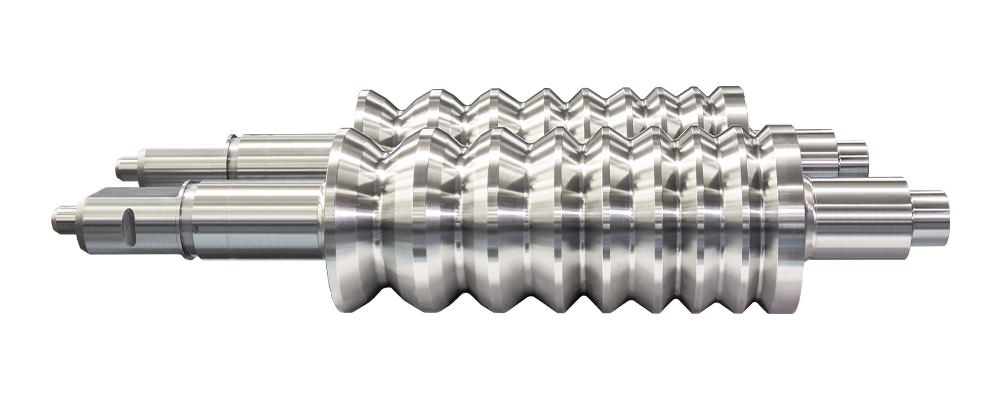
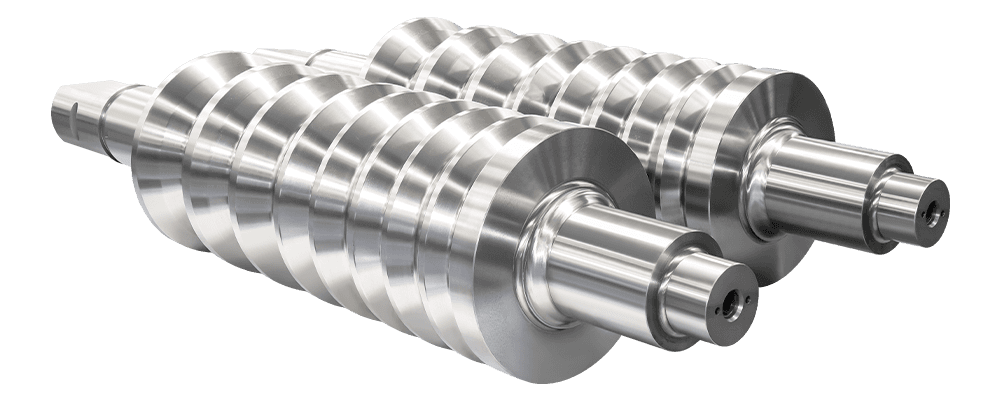
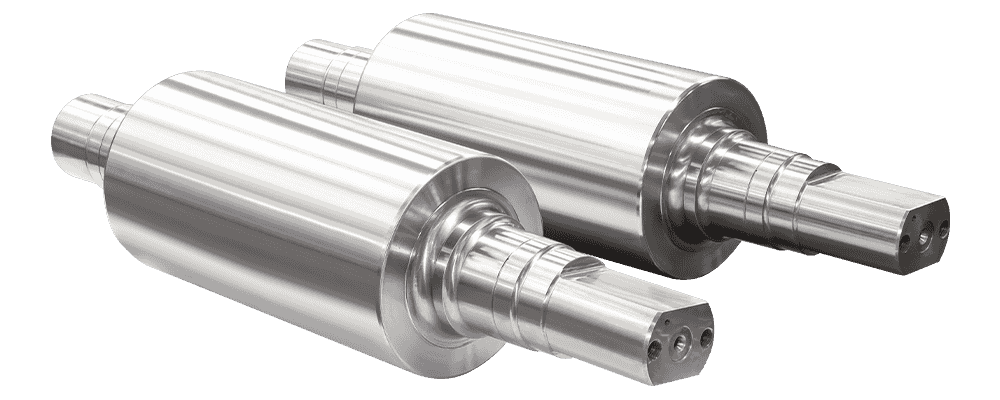
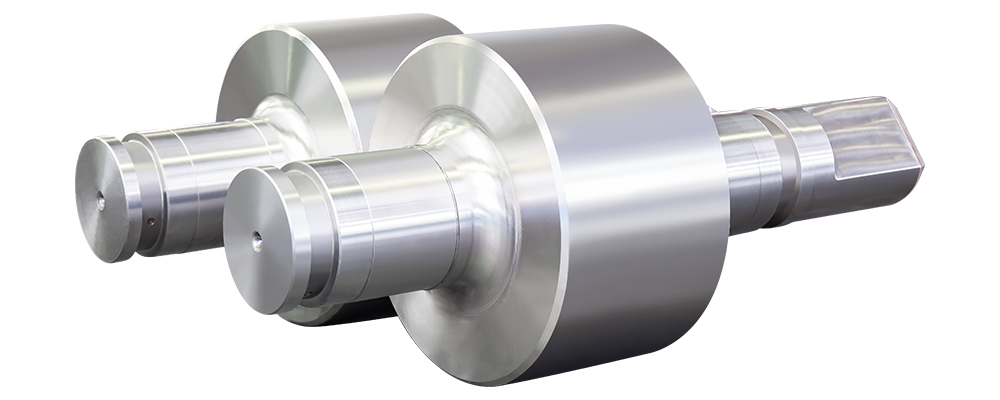
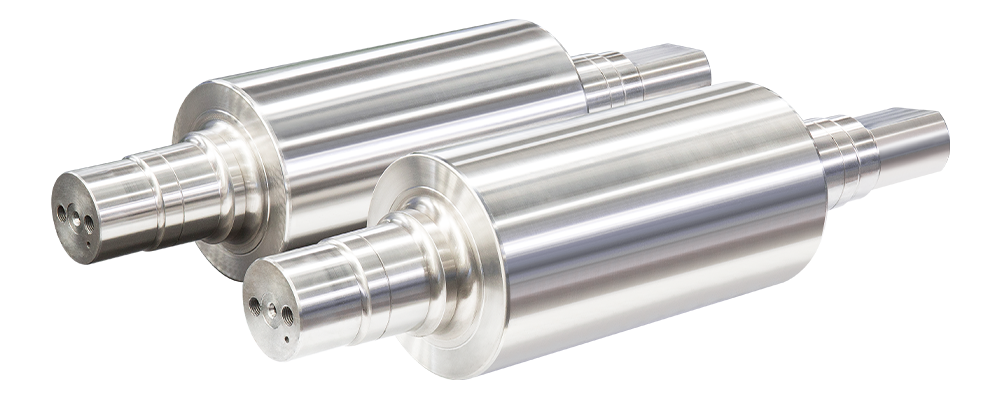
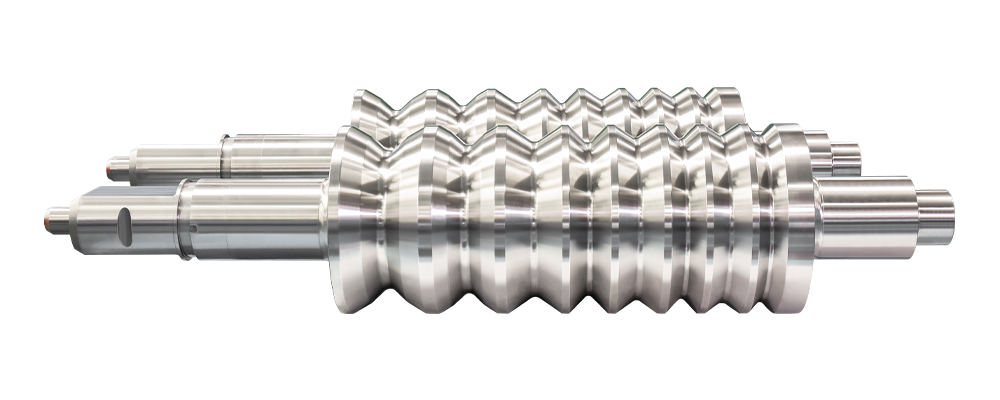
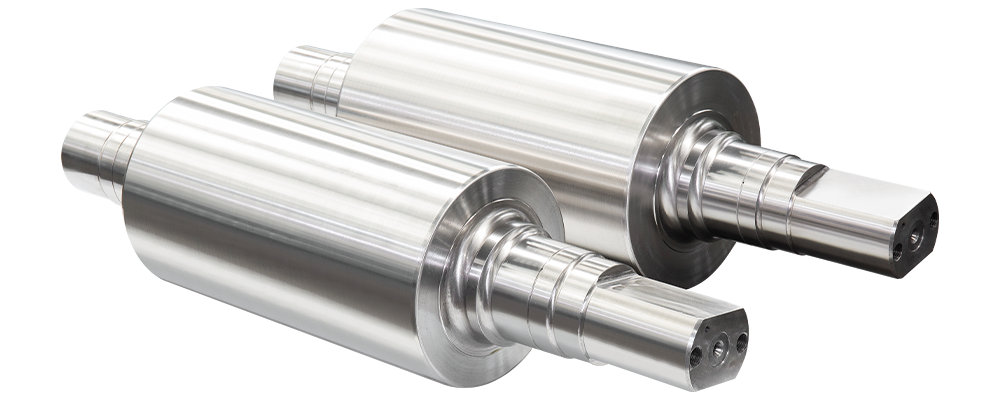
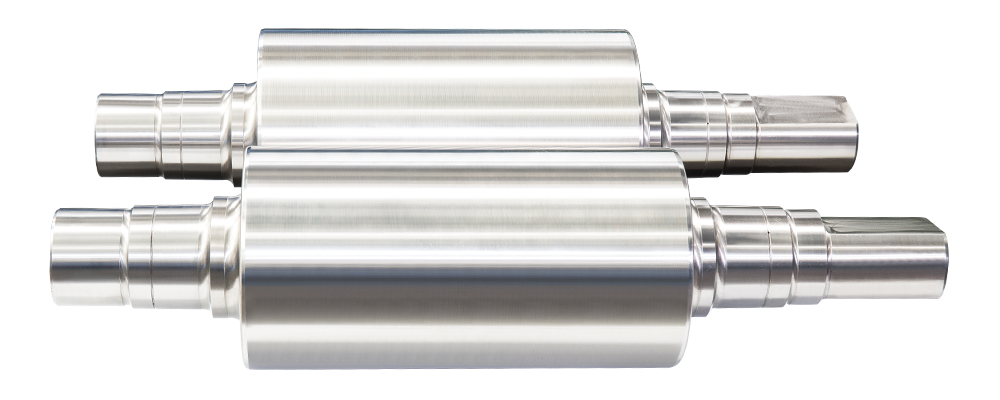
Cast steel roll refers to heavy-duty cylindrical components produced by steel casting processes designed to withstand severe wear and load conditions in rolling mills, continuous casters, and other industrial equipment. Unlike forged rolls, cast steel rolls offer enhanced design flexibility, allowing complex internal features and material gradients. This article focuses on the practical aspects of cast steel roll production, material selection, processing techniques, mechanical properties, and performance optimization.
Selecting the right steel grade is critical to achieving the desired combination of strength, toughness, and wear resistance. Cast steel rolls must endure high contact stresses, cyclic loading, and abrasive environments. Common material systems include carbon steel, low alloy steel, and high alloy steel variants. High chromium and nickel contents improve hardness and thermal fatigue resistance.
Key properties to evaluate when choosing a cast steel roll material:
The cast steel roll production workflow consists of precise control at every stage from raw material handling to final machining. Ensuring proper casting practices minimizes defects like porosity, segregation, and cracking.
Melting is typically performed in an induction furnace for accuracy in temperature and composition control. Alloying elements such as chromium, molybdenum, and vanadium are added according to the desired grade. Careful control prevents excessive inclusion formation and ensures homogeneity.
Sand casting is widely used due to its cost-effectiveness for large parts. The mold design must consider shrinkage allowances and gating systems to reduce turbulence and entrapment of impurities. Pouring temperature and speed are monitored to avoid cold shuts and incomplete filling.
Controlled cooling is vital to managing the cast structure. Too rapid cooling can induce thermal stresses, while slow cooling may lead to undesirable grain growth. Techniques such as risers and chills are used to direct solidification and ensure a sound casting.
Heat treatment enhances mechanical properties and eliminates internal stresses. Typical sequences include normalizing, quenching, and tempering. Each step must follow precise temperature-time profiles to achieve targeted hardness and ductility.
Understanding mechanical performance is essential for predicting service life and maintenance intervals. Standard tests help verify that the cast steel roll meets design expectations.
| Property | Test Method | Typical Requirement |
| Tensile Strength | ASTM E8 | > 800 MPa |
| Hardness | Rockwell C or Brinell | 50–60 HRC |
| Impact Toughness | Charpy V-notch | > 50 J at operational temps |
| Microstructure | Optical Microscopy | Fine pearlite/ferrite with controlled carbides |
These values are examples and vary based on application-specific roll grades. Regular sampling and nondestructive testing (NDT) techniques such as ultrasonic and radiographic inspection are used to detect internal flaws before rolls are dispatched to service.
Heat treatment significantly affects the microstructure, hardness, and mechanical stability of cast steel rolls. Improper heat treatment can lead to cracking, dimensional instability, or reduced service life.
Normalizing involves heating the cast roll above the critical transformation temperature and then air cooling. This refines grain size, reduces segregation effects, and homogenizes the structure. For cast steel rolls, normalizing typically occurs at 880–920°C for medium alloyed steels.
Quenching increases hardness and strength by forming martensite, but also introduces brittleness. Tempering follows to adjust toughness. The tempering temperature and duration are chosen based on the desired balance between hardness and ductility. Higher tempering temperatures generally improve toughness at the cost of some hardness.
Understanding frequent casting defects helps engineers improve quality and reduce scrap rates. Below are typical issues encountered in cast steel roll production with corrective actions.
Cast steel rolls must deliver long service life under demanding conditions. Optimization spans surface engineering, lubrication, and maintenance planning.
Surface coatings like thermal spray or induction hardened layers significantly improve wear resistance. Controlled surface hardness reduces spalling and extends intervals between reprofiling.
Proper lubrication minimizes frictional heat and reduces surface wear. Cooling systems must be calibrated to maintain consistent temperatures and avoid thermal fatigue cracks.
Cast steel rolls are fundamental to heavy industrial applications where durability and surface integrity are paramount. By focusing on meticulous material selection, robust casting and heat treatment practices, comprehensive testing, and in-service optimization, engineers can significantly enhance performance and reduce lifecycle costs. Continual refinement of processes, informed by testing data and field feedback, ensures that cast steel rolls meet evolving industrial demands.

Copyright © Huzhou Zhonghang Roll Co., Ltd. All Rights Reserved.


 English
 中文简体
中文简体