Content
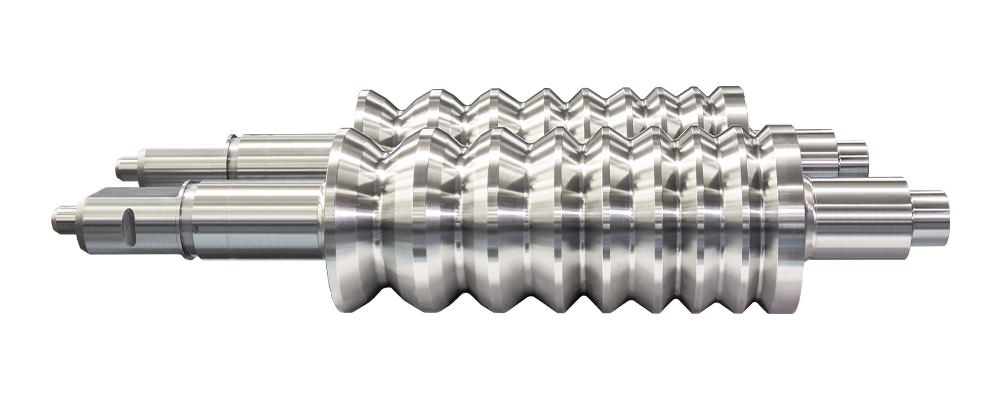
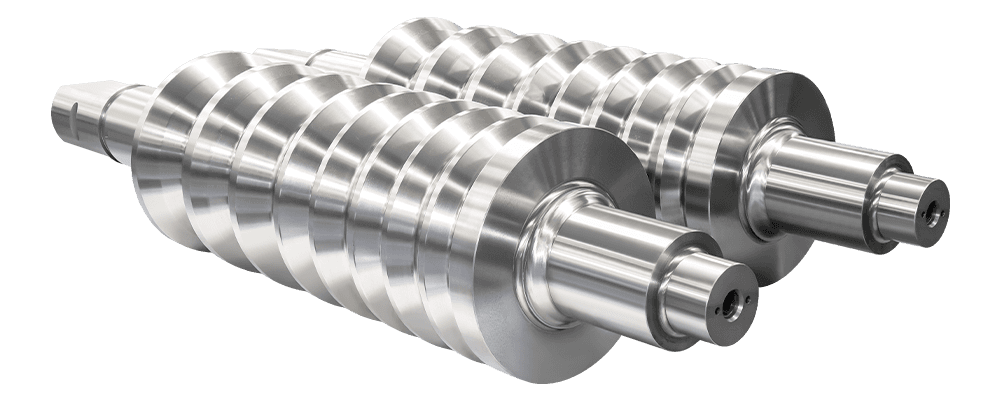
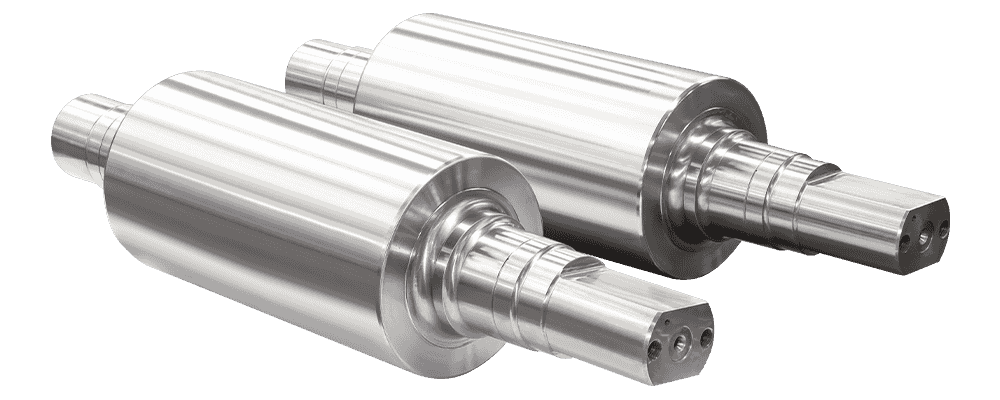
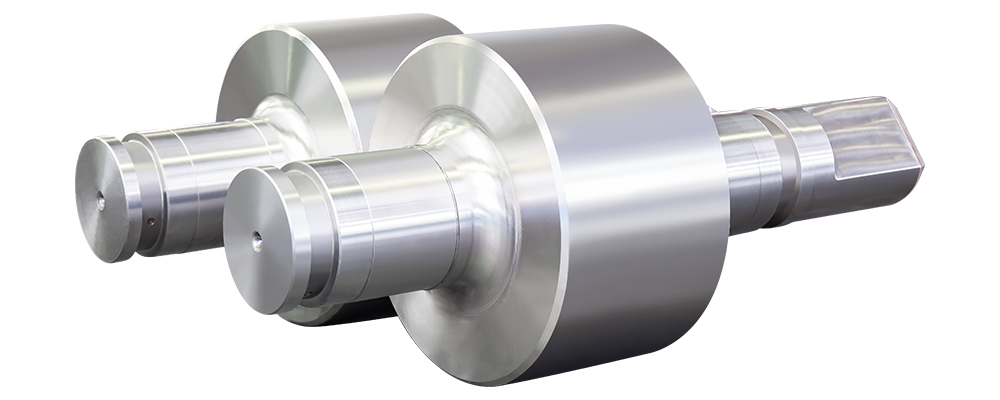
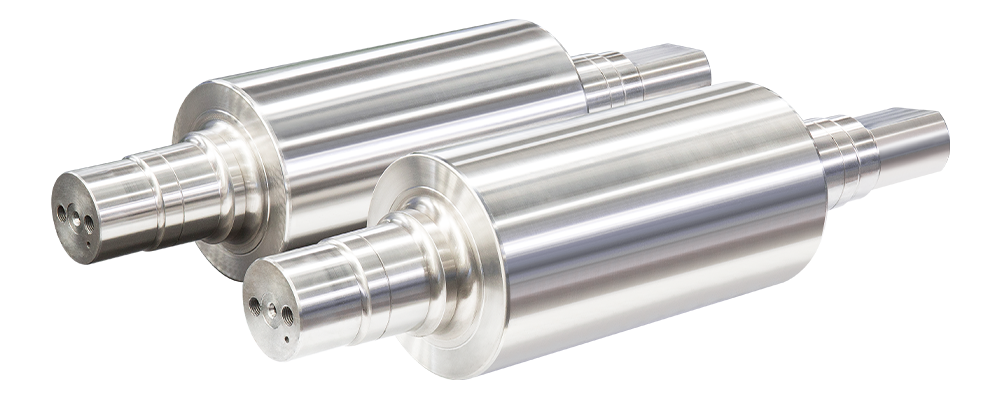
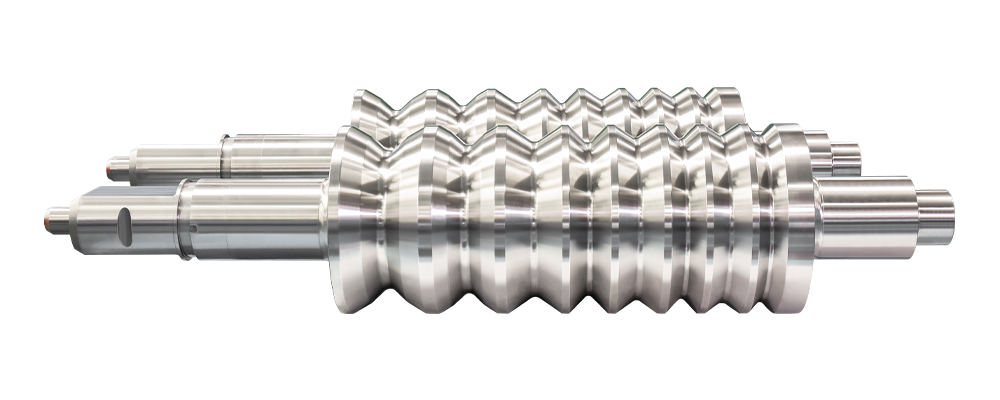
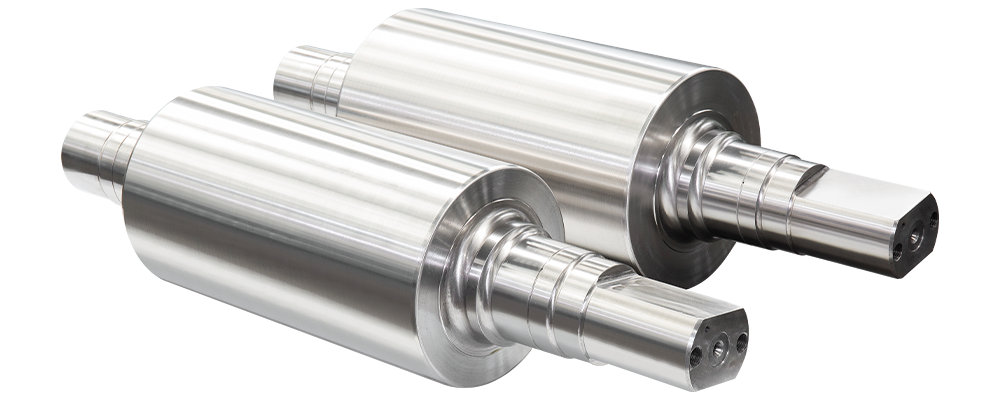
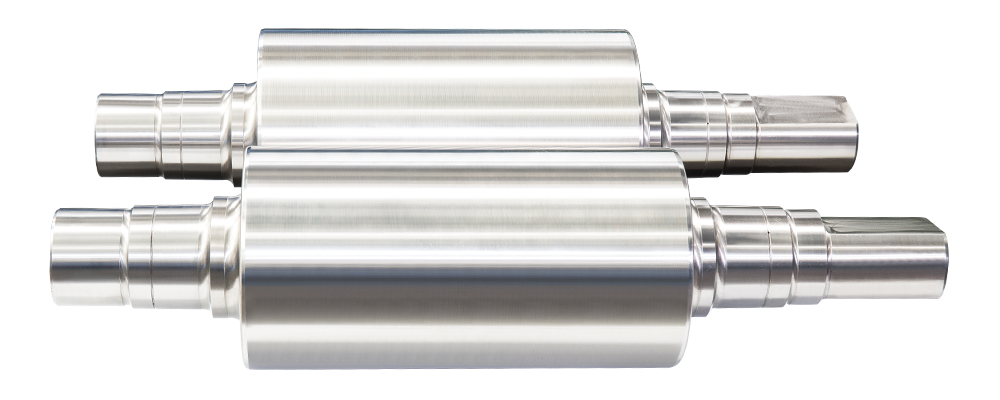
Alloy cast steel rolls provide a superior balance of strength, toughness, and wear resistance, making them the optimal choice for severe roughing and intermediate stands in modern hot and cold rolling mills. Their performance directly correlates to specific alloying elements and heat treatment protocols, offering distinct advantages over standard cast iron or forged steel alternatives.
The key conclusion from decades of mill data is clear: for applications requiring excellent resistance to fire cracking, high mechanical loads, and thermal shock—such as blooming, slabbing, and universal beam mills—alloy cast steel rolls consistently deliver 15-30% longer campaigns between regrinds compared to traditional indefinite chill rolls.
Unlike cast iron rolls where carbon exceeds 2%, alloy cast steel rolls contain between 0.4% and 1.8% carbon. This lower carbon matrix, combined with controlled amounts of chromium (Cr), nickel (Ni), molybdenum (Mo), and vanadium (V), produces a tempered martensite or bainite microstructure. This structure offers inherent toughness and the ability to withstand extreme rolling pressures exceeding 150 MPa at the roll bite contact zone.
The manufacturing process typically involves electric arc furnace melting, argon oxygen decarburization (AOD) refining for purity, and specialized static or centrifugal casting techniques. Subsequent heat treatment—normalizing, quenching, and tempering—precisely develops the required hardness profile, which ranges from 35 HS to 60 HS (Shore hardness) depending on the roll layer and application.
The effectiveness of an alloy cast steel roll is governed by three measurable parameters: wear resistance, strength, and resistance to surface deterioration. The table below outlines typical thresholds for roughing applications.
| Parameter | Typical Range | Performance Impact |
|---|---|---|
| Hardness (Shore C) | 38 - 55 HS | Directly correlates to wear volume loss per 1000 tons |
| Tensile Strength (MPa) | 700 - 950 MPa | Prevents breakage under high peak loads |
| Elongation (%) | 1.5% - 4% | Indicator of fracture toughness |
Understanding why alloy cast steel rolls fail is crucial for proper selection. The most prevalent issues include:
A practical example from a wide-flange beam mill showed that switching from a conventional 1.5% Cr steel roll to a 2.8% Cr-0.8% Mo-0.2% V alloy cast steel roll increased passed tonnage per roll from 18,000 tons to 24,500 tons, a 36% improvement directly attributed to reduced wear and thermal fatigue resistance.
There is no universal alloy cast steel roll. The service conditions dictate the optimal composition. Use the following selection matrix as a guide for roughing and intermediate mill stands.
| Application | Recommended Alloy System | Hardness Range (HS) | Key Benefit |
|---|---|---|---|
| Slabbing / Blooming Mill | 1.5-2.0% Cr, 0.5-1.0% Ni, 0.3-0.6% Mo | 38 - 45 HS | Maximum impact toughness |
| Universal Beam Roughing | 2.5-3.0% Cr, 1.2-1.8% Ni, 0.6-0.9% Mo | 45 - 52 HS | Wear + thermal crack resistance |
| Bar and Rod Roughing | 1.8-2.2% Cr, 0.8-1.2% Ni, 0.4-0.7% Mo, 0.1-0.2% V | 48 - 55 HS | High wear + good fire crack resistance |
The final property of an alloy cast steel roll is not determined solely by chemistry but by the heat treatment cycle. A typical protocol for a 3% Cr-1% Ni-Mo roll involves:
The resulting hardness must follow a gradient. An effective alloy cast steel roll for a roughing stand will exhibit a working layer hardness of 50-55 HS extending 40-60mm from the surface, with a core hardness of 32-38 HS. This gradient delays spalling by allowing plastic deformation in the core while maintaining wear resistance at the surface. Mill data confirms that rolls with an optimized gradient achieve 90% fewer spalling incidents over a 5-year operational period compared to rolls with a uniform hardness profile.
While the initial acquisition cost of a high-alloy cast steel roll may be 20-35% higher than a standard cast iron roll, the total cost of ownership is substantially lower. A comparative analysis over 12 months in a medium-section mill showed:
The net result is a reduction in rolling cost per ton of €0.85 to €1.20, delivering full payback on the premium roll investment within the first six months of operation.

Copyright © Huzhou Zhonghang Roll Co., Ltd. All Rights Reserved.


 English
 中文简体
中文简体