Content
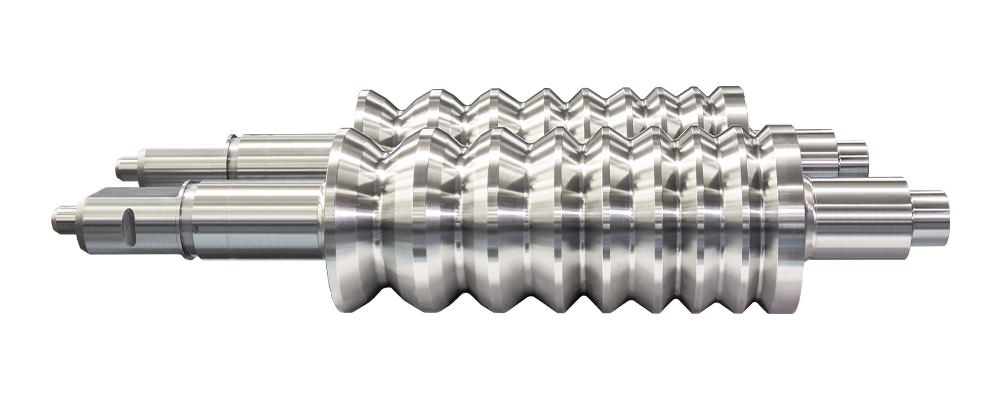
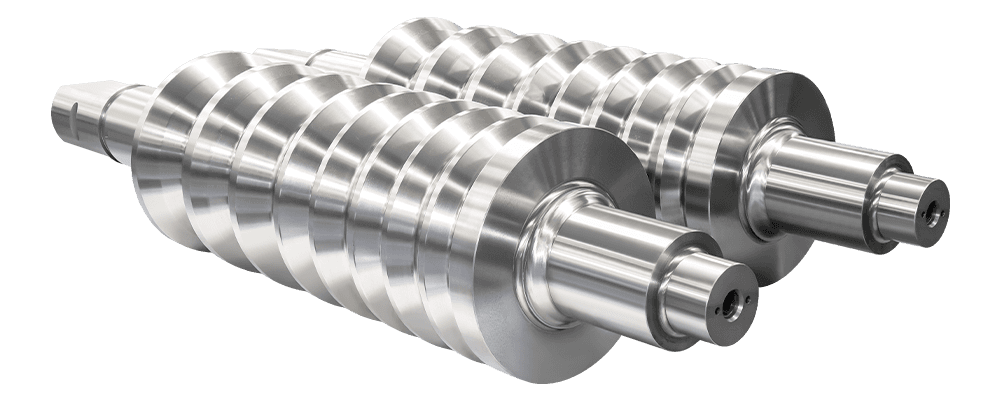
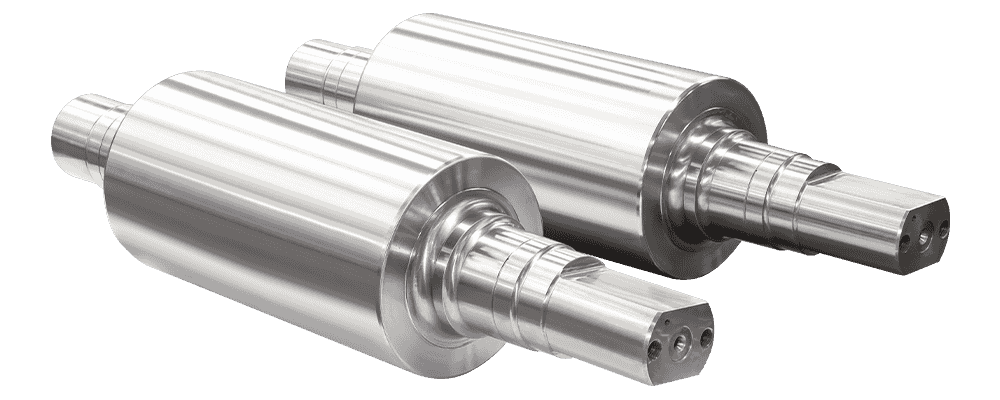
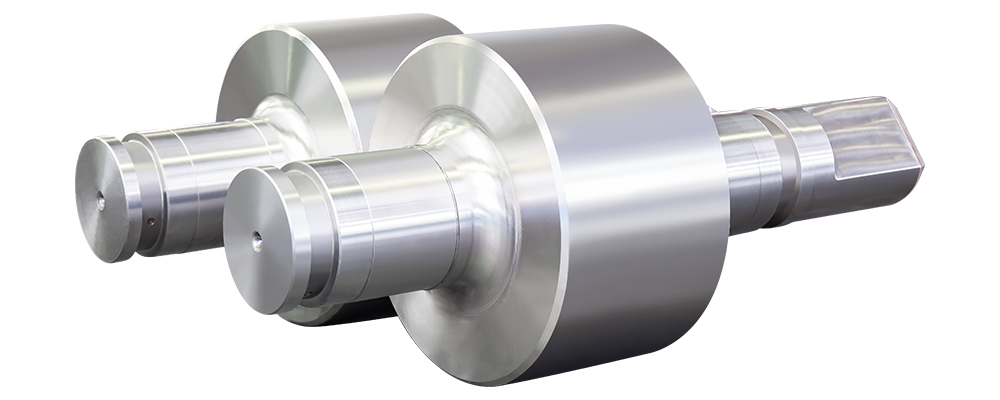
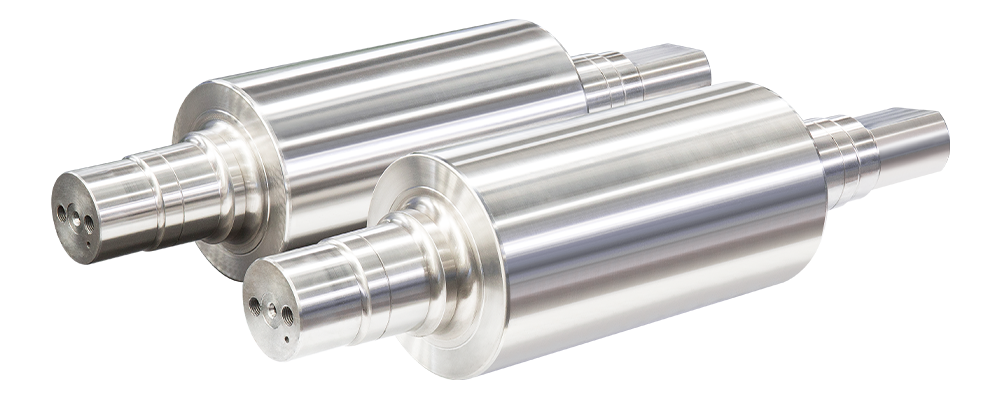
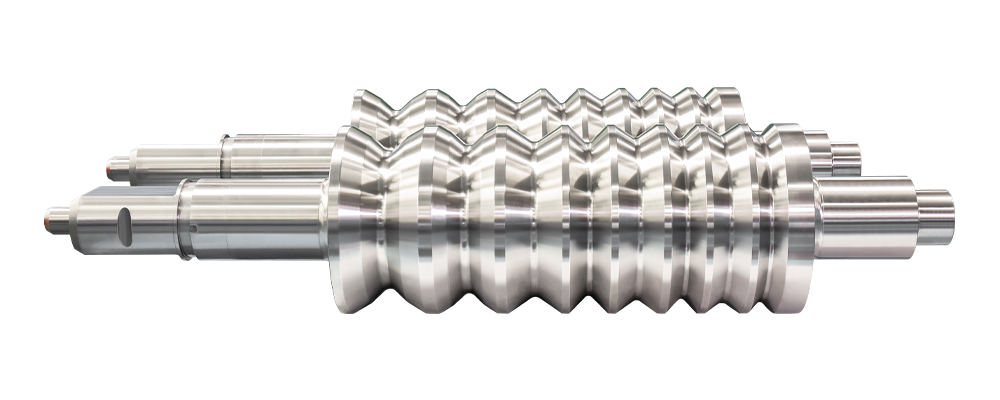
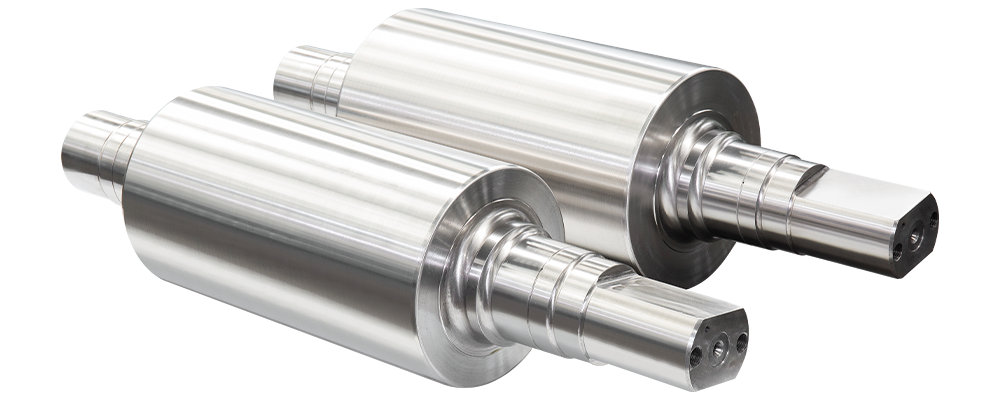
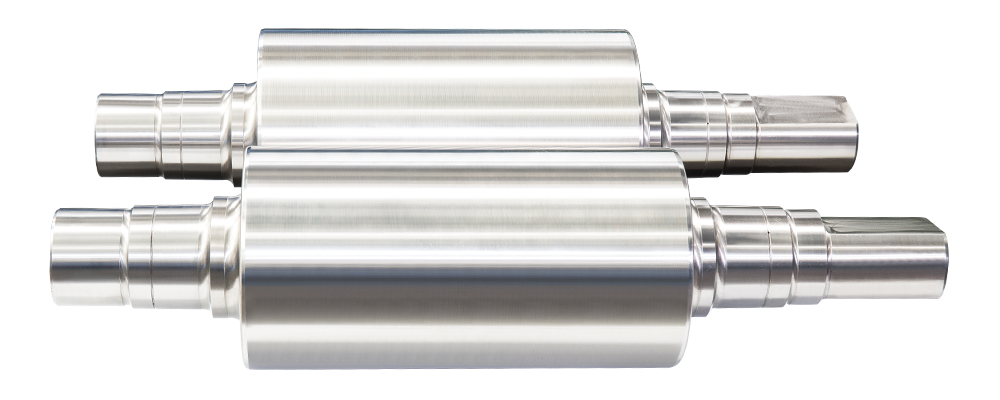
Alloy cast steel rolls are specialized rolls used extensively in metal forming industries, especially in rolling mills for steel and non-ferrous metals. They combine high strength, wear resistance, and toughness to withstand harsh rolling conditions. Understanding their composition, production processes, and maintenance is critical for maximizing their lifespan and performance.
The performance of alloy cast steel rolls largely depends on their chemical composition and heat treatment. Typically, they contain alloying elements such as chromium, molybdenum, nickel, and vanadium. These elements improve hardness, tensile strength, and resistance to wear and thermal fatigue.
The production of alloy cast steel rolls involves precise metallurgical control and advanced casting techniques to ensure uniformity and durability. Key stages include:
High-quality scrap steel or pig iron is melted in an electric arc furnace, and alloying elements are carefully added. The chemical composition is closely monitored to meet specific performance criteria.
The molten steel is poured into molds designed for roll shapes. Controlled solidification prevents internal defects such as porosity and segregation. Cooling rates are adjusted based on roll size and intended service conditions.
After casting, rolls undergo heat treatment processes such as quenching and tempering. These processes optimize hardness, toughness, and wear resistance. Specialized treatments like surface induction hardening may be applied to improve operational performance.
Alloy cast steel rolls are widely used across various industries where metal shaping and rolling are essential. Their durability under extreme conditions makes them indispensable in heavy industrial operations.
These rolls are employed in hot and cold rolling mills, handling temperatures exceeding 1000°C. Their wear resistance and toughness reduce maintenance frequency and downtime, improving production efficiency.
Aluminum, copper, and brass rolling operations benefit from alloy cast steel rolls, as they can resist adhesion and surface damage while maintaining precise dimensional control.
Certain industries, such as automotive and aerospace, use alloy cast steel rolls for producing specialized components. Their ability to withstand high loads and repeated thermal cycling is crucial in maintaining consistent product quality.
Proper maintenance practices are essential to extend the lifespan of alloy cast steel rolls. Regular inspection, surface treatment, and proper operational management reduce wear and prevent catastrophic failures.
Non-destructive testing techniques, such as ultrasonic or magnetic particle inspection, help detect cracks or internal defects. Frequent dimensional checks ensure rolls remain within tolerance limits, preventing poor surface quality on rolled products.
Surface grinding and polishing can restore worn rolls. In some cases, thermal spraying or induction hardening is applied to extend operational life without complete replacement.
Optimizing rolling speed, load distribution, and lubrication minimizes uneven wear. Implementing proper cooling and preheating schedules prevents thermal stress and prolongs roll service life.
Different grades of alloy cast steel rolls are tailored to specific rolling conditions. The table below summarizes key characteristics:
| Grade | Hardness (HRC) | Toughness (J) | Primary Application |
| A1 | 45-50 | 40-50 | Hot steel rolling |
| B2 | 50-55 | 35-45 | Cold steel rolling |
| C3 | 55-60 | 30-40 | Non-ferrous metal rolling |
Alloy cast steel rolls are critical components in metal rolling industries. Their performance is determined by precise alloying, careful casting, heat treatment, and diligent maintenance. Selecting the appropriate roll grade and implementing proper operational practices ensures optimal efficiency, product quality, and extended service life, making them an indispensable asset for industrial operations.

Copyright © Huzhou Zhonghang Roll Co., Ltd. All Rights Reserved.


 English
 中文简体
中文简体