Content
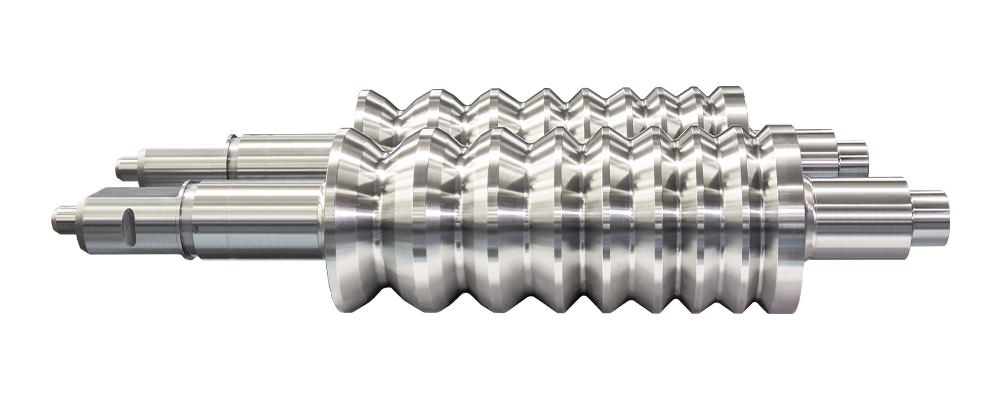
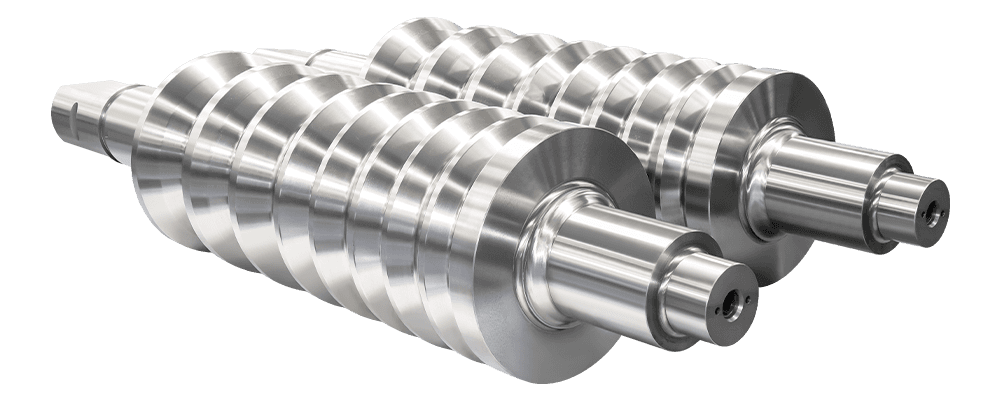
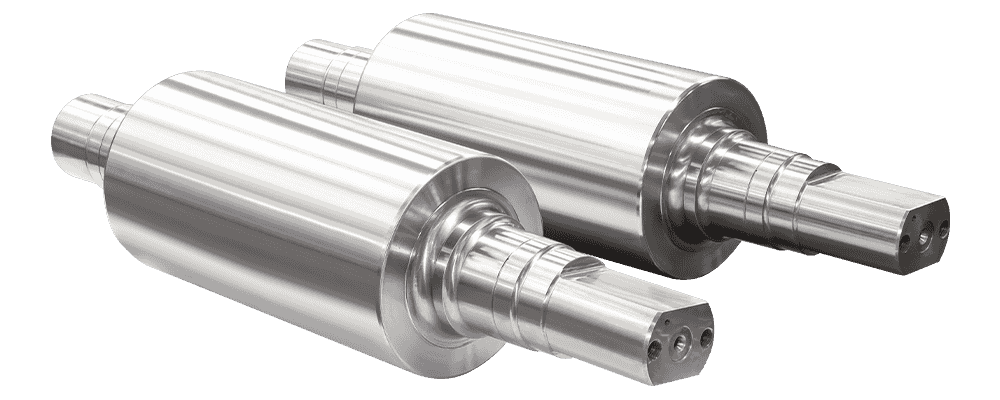
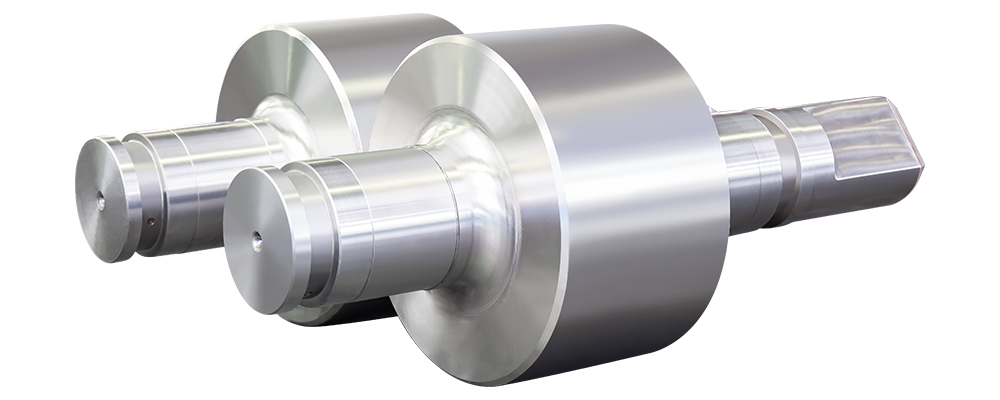
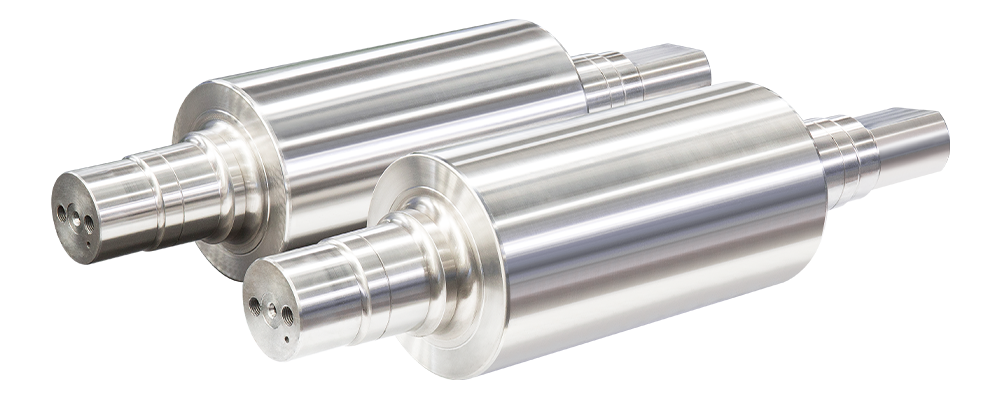
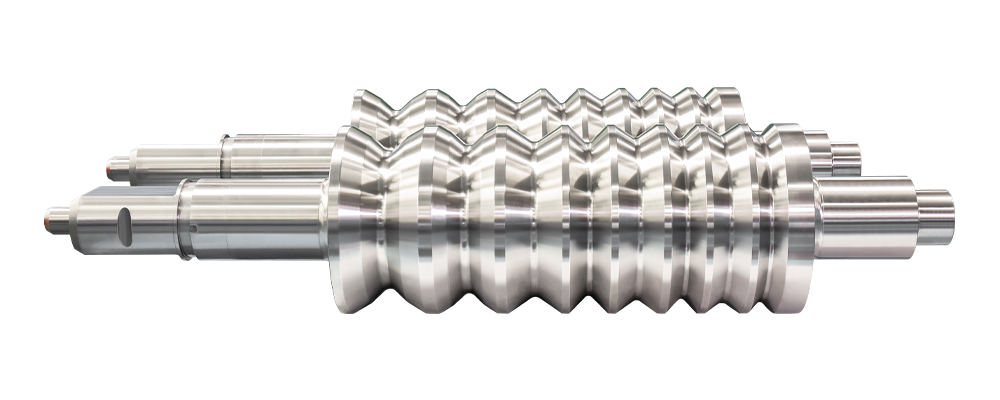
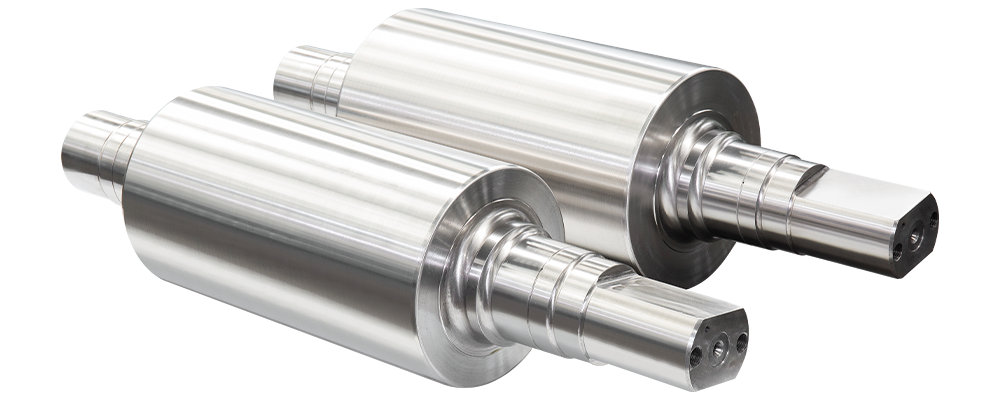
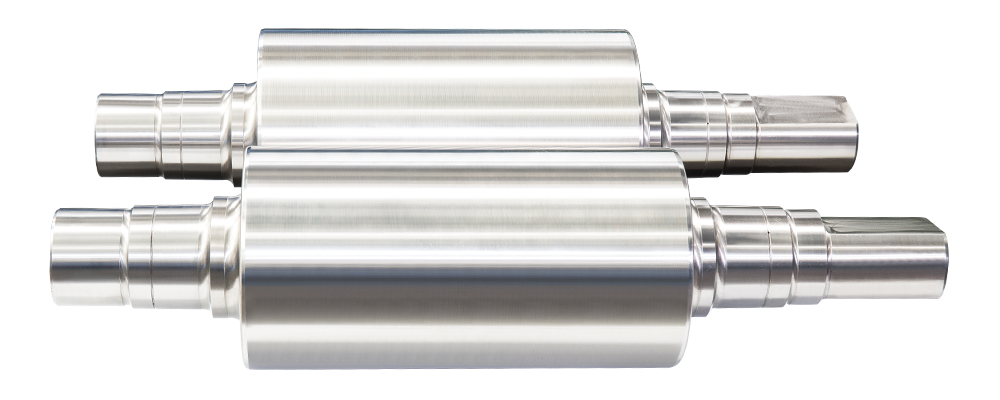
Bainitic nodular cast iron rolls — also called SGA rolls — are a class of high-performance rolling mill rolls engineered for demanding intermediate and finishing stands. Their defining feature is a matrix of acicular bainite with a small fraction of martensite, produced by adding nickel, chromium, and molybdenum into ductile (nodular) cast iron followed by controlled heat treatment.
The graphite in these rolls solidifies as spherical (nodular) particles rather than flakes, which dramatically reduces crack propagation risk. Combined with the bainitic matrix, the result is a roll that outperforms conventional pearlitic nodular iron on every mechanical dimension that matters in a rolling mill.
Matrix microstructure is the single biggest determinant of roll performance. Here is how bainitic nodular iron compares to the two grades it typically replaces:
| Property | Pearlitic Nodular Iron | Bainitic Nodular Iron (SGA) | Indefinite Chilled Iron |
|---|---|---|---|
| Tensile Strength | Moderate | High | Moderate–High |
| Toughness / Impact Resistance | Moderate | High | Low |
| Wear Resistance | Moderate | High | High |
| Hardness Gradient (working layer) | Steep | Very Small | Moderate |
| Thermal Crack Resistance | Moderate | High | Moderate |
| Spalling Risk | Moderate | Low | Higher |
The small hardness gradient across the working layer is particularly valuable: as the roll surface wears down during a campaign, the hardness and surface quality remain nearly constant, which means more consistent product dimensions and fewer roll changes per shift.
Understanding the metallurgy helps buyers ask the right questions when sourcing SGA rolls:
The balance of these elements — not just their presence — determines final performance. Optimising nickel-copper-niobium combinations, for example, has been shown to raise bainite volume fraction in the working layer and directly reduce the surface spalling failures seen in conventional Ni-Mo formulations.
SGA rolls can be produced by two routes, and choosing the right one depends on roll size and mill conditions.
Static casting is used for larger rolls where the working layer is thick and uniform solidification can be achieved without spinning. It gives the manufacturer more control over alloy distribution in heavy sections.
Centrifugal (spun) casting is preferred for composite rolls with a thin, dense working shell over a tougher core. The centrifugal force expels inclusions outward and produces a finer, denser microstructure in the outer layer. For bainitic nodular iron specifically, the centrifugal process also helps manage the high casting stresses that result from the elevated alloy content — making it the default choice for intermediate and finishing stand rolls in wire rod and bar mills.
You can learn more about how these cast iron rolls compare to other roll types on the cast iron roll product page, or explore related grades such as pearlitic ductile iron rolls and high chromium iron rolls.
Bainitic nodular cast iron rolls are a strong default choice for:
They are generally not the first choice for roughing stands — those positions see the highest impact loads and typically call for tougher alloy cast steel rolls. Nor are they ideal for the very final finishing passes on the highest-speed wire rod mills, where high-speed steel rolls deliver superior wear life.
When evaluating SGA roll suppliers, four parameters deserve close attention:
Bainitic nodular cast iron rolls sit at a productive intersection of strength, toughness, and wear resistance that neither pearlitic iron nor indefinite chilled iron can match simultaneously. Their very small hardness gradient keeps product quality consistent across the full campaign, and their resistance to thermal cracking and spalling reduces unplanned downtime. For wire rod, bar, and section mill operators looking to extend roll life on intermediate and finishing stands without the cost premium of high-speed steel, SGA rolls are the technically sound starting point.

Copyright © Huzhou Zhonghang Roll Co., Ltd. All Rights Reserved.


 English
 中文简体
中文简体