Content
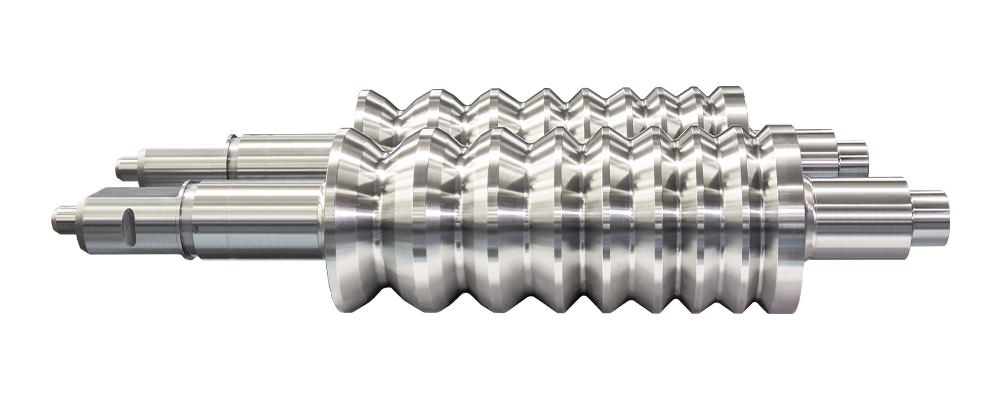
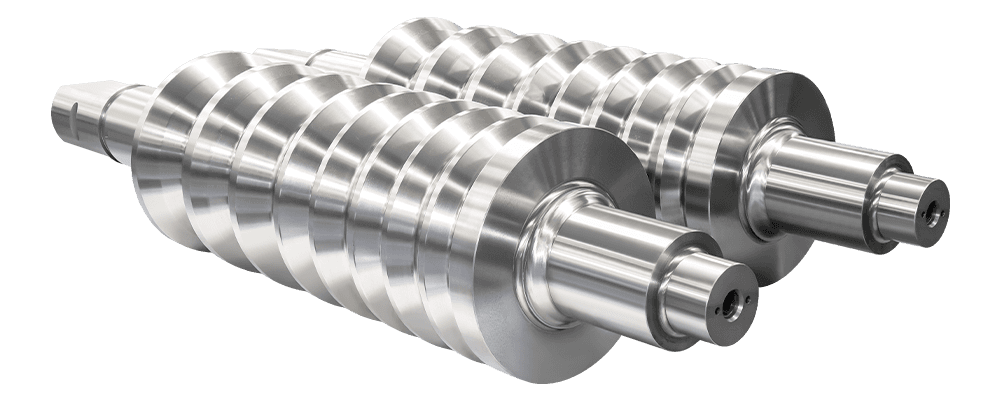
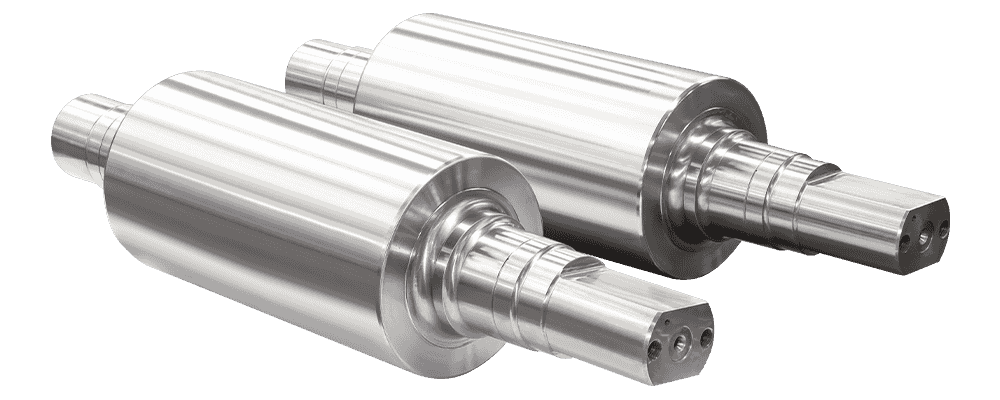
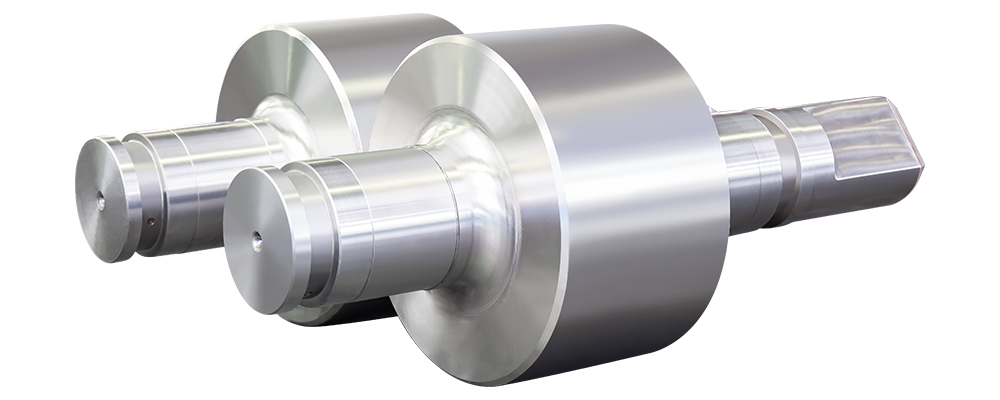
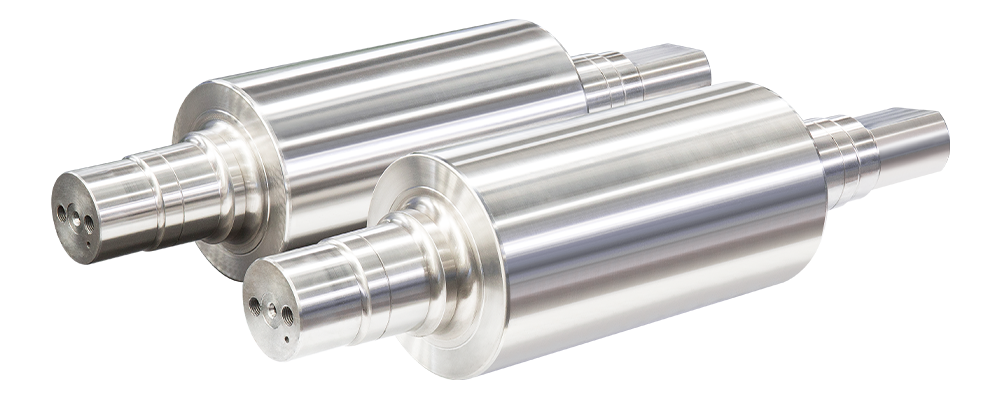
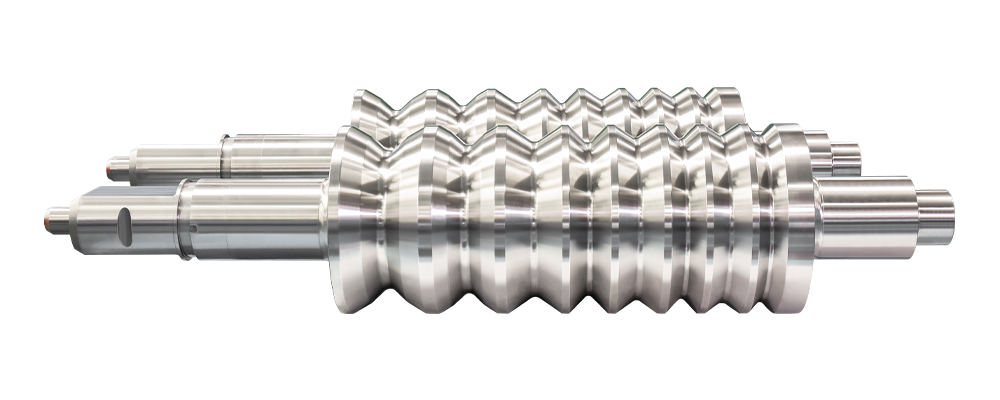
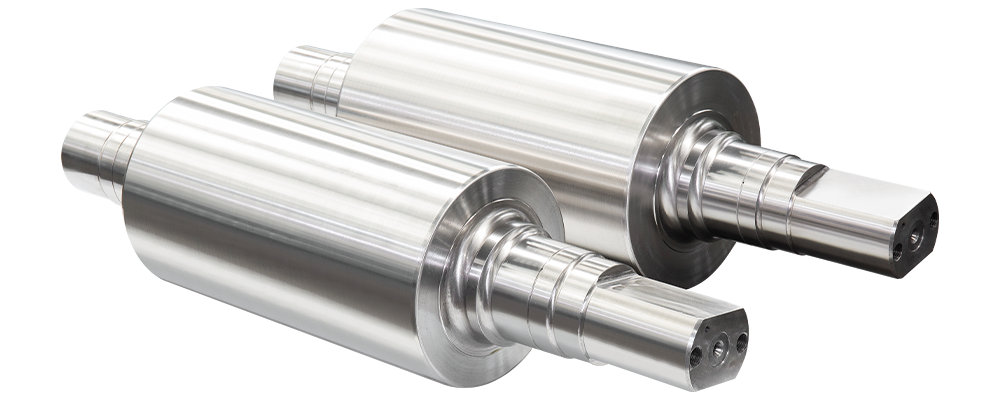
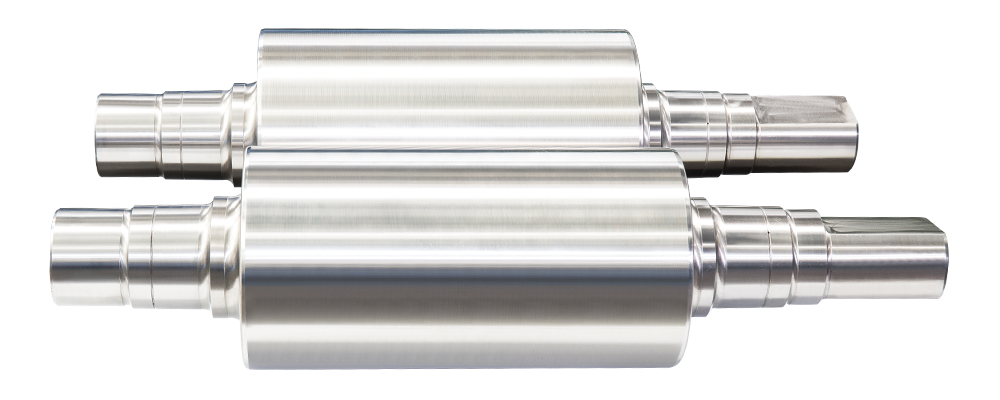
A cast iron roll is a cylindrical component manufactured from cast iron, used primarily in rolling mills, printing presses, paper machines, and industrial calendering equipment. It delivers exceptional compressive strength, vibration damping, and wear resistance that steel or rubber alternatives simply cannot match in many high-load applications. Whether you're sourcing rolls for a steel mill, selecting a rolling pin for professional bread baking, or evaluating industrial equipment, understanding what cast iron rolls are, how they're made, and where they excel will help you make a far better decision.
At its core, a cast iron roll is a hollow or solid cylinder produced by pouring molten iron into a mold, allowing it to solidify, and then machining it to precise dimensional tolerances. The material composition—typically gray cast iron (GCI), ductile cast iron (DCI), or chilled cast iron—determines the mechanical properties and end-use performance.
In industrial contexts, cast iron rolls appear in:
In culinary and artisan contexts, a "cast iron roll" often refers to a heavy cast iron rolling pin used for pastry, bread dough, and pasta—valued for its consistent weight and temperature retention.
Not all cast iron rolls are equal. The type of iron and the casting method dramatically affect hardness, toughness, and fatigue life. The three most common categories in industrial use are gray cast iron, ductile (nodular) cast iron, and chilled cast iron.
| Type | Hardness (HB) | Tensile Strength (MPa) | Key Advantage | Typical Application |
|---|---|---|---|---|
| Gray Cast Iron (GCI) | 150–300 | 100–250 | Excellent vibration damping | Printing rolls, light calendering |
| Ductile Cast Iron (DCI) | 140–320 | 370–800 | High toughness and impact resistance | Rolling mill backup rolls |
| Chilled Cast Iron | 400–700 | 200–400 | Extreme surface hardness and wear resistance | Cold rolling work rolls, paper calendering |
Gray cast iron contains graphite in flake form, which acts as a natural lubricant and gives the material its hallmark vibration-absorbing quality. Damping capacity of GCI is approximately 10 times greater than steel, making it the preferred choice wherever noise and vibration are concerns. However, its relatively low tensile strength (typically 100–250 MPa) means it is not suitable for high-impact or shock-load applications.
Produced by adding magnesium to the melt before pouring, ductile cast iron transforms the graphite from flakes into spherical nodules. This microstructure change delivers tensile strengths of 370–800 MPa and elongation values up to 18%, making DCI rolls far tougher than gray iron while still retaining the casting advantages. Backup rolls in four-high cold mills are frequently made from pearlitic ductile iron for exactly this reason.
Chilling involves rapid solidification of the outer shell against a metallic mold, converting the surface graphite into iron carbide (cementite). The result is a roll with an extremely hard outer shell—Brinell hardness values of 400–700 HB are common—backed by a tougher gray iron core. This composite microstructure is what makes chilled cast iron rolls the industry standard for cold rolling thin sheet metal and paper supercalendering, where surface integrity is paramount.
The manufacturing process directly influences the final performance of any cast iron roll. Precision in casting, heat treatment, and machining is not optional—deviations of even a few microns in barrel diameter can cause uneven product thickness downstream in a rolling mill.
The two dominant casting routes for industrial rolls are static casting and centrifugal casting. In static casting, molten iron is poured into a vertical sand or permanent mold. Centrifugal casting spins the mold during solidification, forcing denser metal to the outside wall and producing a more uniform, porosity-free structure. For rolls requiring tight surface hardness consistency—particularly chilled iron rolls—centrifugal casting is strongly preferred, as it reduces shrinkage defects by up to 30% compared to static pouring.
After casting, most industrial rolls undergo stress-relief annealing at temperatures between 500°C and 600°C to eliminate residual thermal stresses. Ductile iron rolls often receive additional austempering or normalized-and-tempered cycles to optimize the balance of hardness and toughness. Skipping or shortening this stage is a known cause of in-service roll cracking, particularly in cold rolling applications where thermal gradients during operation are severe.
Final dimensions are achieved through turning, grinding, and polishing. High-precision rolling mill rolls are ground to surface roughness values of Ra 0.1–0.4 µm and cylindricity tolerances within 5–10 µm. Journals (the bearing seats at each end) are finish-ground to IT5–IT6 tolerances under ISO standards. Any deviation here translates directly into thickness variation in rolled products.
Cast iron rolls have remained in widespread industrial use for over 150 years despite competition from steel, tungsten carbide, and polymer alternatives. The reasons are both technical and economic.
The breadth of industries using cast iron rolls underscores their versatility. Understanding the specific role a roll plays in each context helps in selecting the right material grade and surface finish.
In flat product rolling, chilled cast iron rolls serve as work rolls in the finishing stands of hot strip mills, where strip temperatures of 800–1100°C demand both hardness and thermal shock resistance. Ductile iron backup rolls—often 1.5–2.0 meters in diameter and weighing 20–60 tonnes—support the work rolls against deflection. A single backup roll can last 3–6 months under continuous production before requiring regrinding or replacement.
Calendering machines press paper or fabric between multiple rolls to achieve a smooth, glossy surface. Chilled cast iron calender rolls with surface hardness above 500 HB are standard in the paper industry for producing coated fine paper and magazine stock. The uniformity of the roll surface directly determines the gloss and caliper consistency of the finished sheet—a deviation of 2 µm in roll roundness can produce visible print defects in offset lithography.
Offset and gravure printing presses use cast iron impression rolls and ink distribution rollers. Gray cast iron is preferred here for its vibration-damping properties, which prevent ink ghosting and registration errors at press speeds exceeding 15,000 impressions per hour. The self-lubricating nature of the graphite flakes also reduces maintenance requirements on ink train rollers.
Cast iron rolling pins have gained popularity in professional bakeries and home kitchens. Weighing typically 2.5–4.5 kg, they roll pastry dough and bread more consistently than lighter wood or marble alternatives because their mass does most of the work with minimal applied force. Cast iron also stays cool when chilled, which prevents butter-rich doughs like croissant or laminated brioche from softening prematurely—a genuine technical advantage over room-temperature wood pins.
Choosing the correct cast iron roll requires evaluating several interdependent variables. A mismatch between roll grade and application is one of the most frequent causes of premature roll failure in industrial settings.
| Selection Criterion | What to Evaluate | Recommended Grade |
|---|---|---|
| Surface hardness requirement | Product surface quality spec, material being processed | Chilled CI (>450 HB) for sheet products |
| Load and impact severity | Rolling force, cobble/crash frequency | Ductile CI for high-impact backup positions |
| Vibration sensitivity | Product cosmetic requirements, bearing system design | Gray CI for vibration-critical positions |
| Operating temperature | Hot vs. cold rolling, continuous vs. intermittent | Alloyed chilled CI for hot strip mill finishers |
| Budget and roll inventory | Total cost of ownership, regrind frequency | CI over forged steel where impact is manageable |
One additional factor often overlooked is the chill depth in chilled cast iron rolls—the thickness of the hardened surface layer. For cold rolling mills, a minimum chill depth of 20–30 mm is typically required to allow multiple regrinding cycles before the roll body needs to be scrapped. Rolls with insufficient chill depth fail prematurely when regrinding breaks through the hard shell into the softer gray iron core.
Even the highest-quality cast iron roll requires systematic maintenance to deliver its designed service life. A well-managed roll maintenance program can extend roll life by 20–40% compared to reactive maintenance practices.
Before and after each regrind cycle, rolls should be inspected ultrasonically to detect subsurface cracks, inclusions, or delamination in the chill layer. Eddy current testing is effective for surface crack detection on the barrel and journal radii. Industry guidelines recommend inspection every 50,000–100,000 tonnes of production for cold mill work rolls, depending on the alloy and rolling schedule.
Regrinding removes the damaged surface layer—typically 0.1–0.5 mm per cycle for work rolls—and restores the specified crown profile and surface roughness. The grinding wheel specification must match the roll hardness: using too soft a wheel on chilled cast iron leads to glazing and thermal damage; too aggressive a wheel can introduce grinding cracks. After grinding, rolls should be measured with a contacting or optical profilometer to verify surface roughness and profile before returning to service.
Cast iron rolls are susceptible to damage from improper storage. Rolls should be stored horizontally on padded supports, rotated periodically to prevent flat-spotting in large-diameter rolls, and coated with rust-preventive oil when not in service. A roll dropped from even a modest height can develop internal cracks that may not manifest visibly until in-service failure—proper lifting equipment and sling protocols are non-negotiable.
Understanding where cast iron rolls stand relative to competing materials helps clarify when they are the right choice—and when they are not.
The practical conclusion is that cast iron rolls remain highly competitive wherever the combination of moderate-to-high hardness, vibration damping, and cost control is the priority—a significant portion of the global rolling and printing industry.
Surface cracks that do not penetrate the chill layer can sometimes be removed by regrinding. Deeper cracks, particularly radial cracks in the journal area, are generally cause for scrapping the roll. Welding repairs on cast iron rolls are technically possible but rarely practical for precision applications, as the heat-affected zone almost always introduces new stress concentrations.
Spalling refers to the subsurface fatigue fracture that causes chunks of the roll surface to separate—the most common catastrophic failure mode for cold mill work rolls. It typically initiates at defects or stress concentrations below the contact zone, grows as a fatigue crack during cyclic loading, and breaks out when the crack reaches the surface. Regular ultrasonic inspection is the primary method for detecting spalling precursors before they become critical.
Service life varies enormously by application. A chilled cast iron work roll in a cold mill may last 3–6 regrind cycles before the chill depth is exhausted—equating to months of production. A gray cast iron printing press roll may last 10–20 years with no regrinding. The defining variable is always the aggressiveness of the contact stress and the abrasiveness of the material being processed.

Copyright © Huzhou Zhonghang Roll Co., Ltd. All Rights Reserved.


 English
 中文简体
中文简体