Content
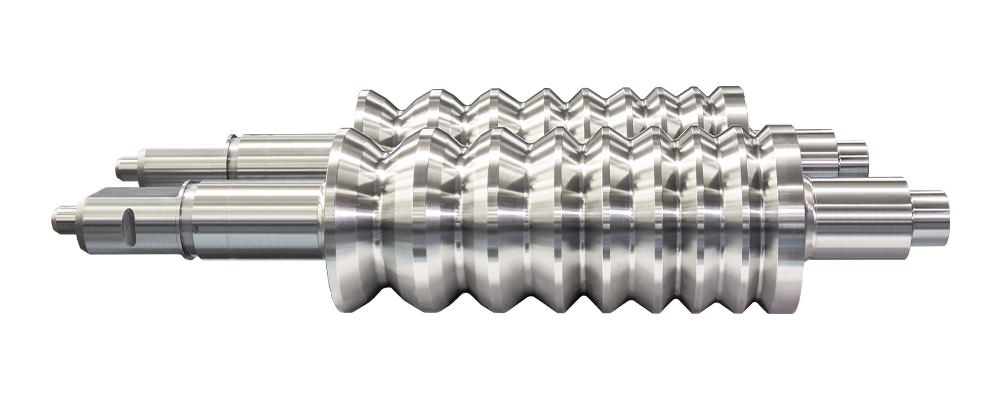
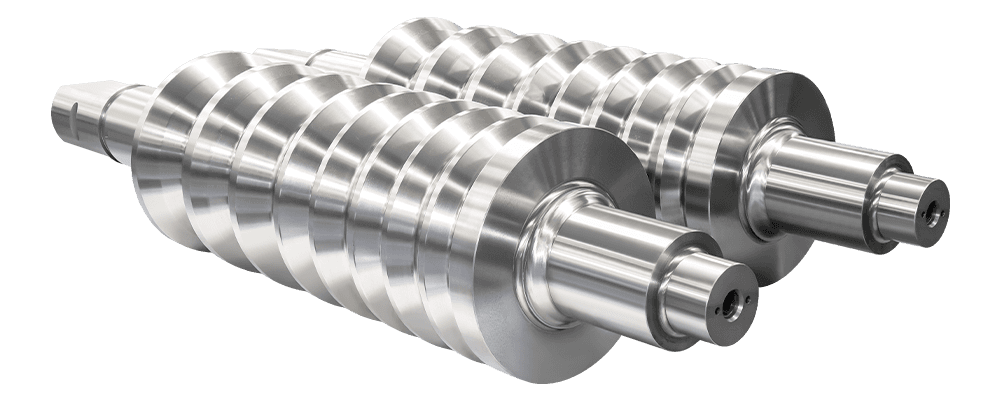
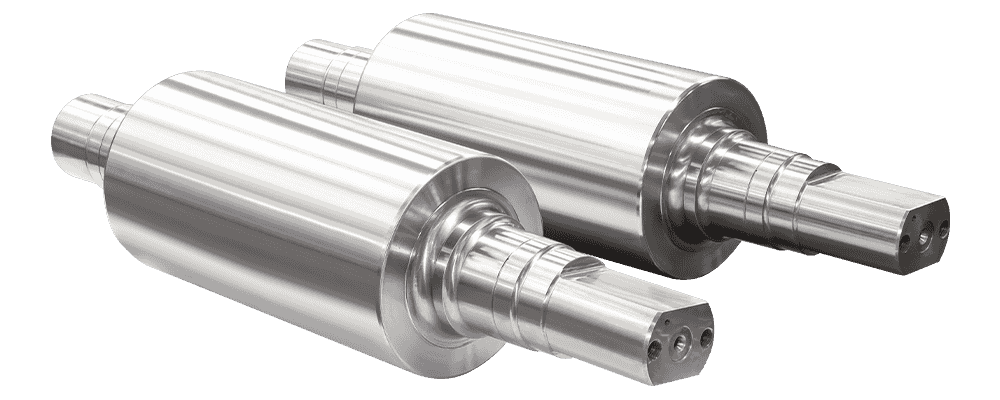
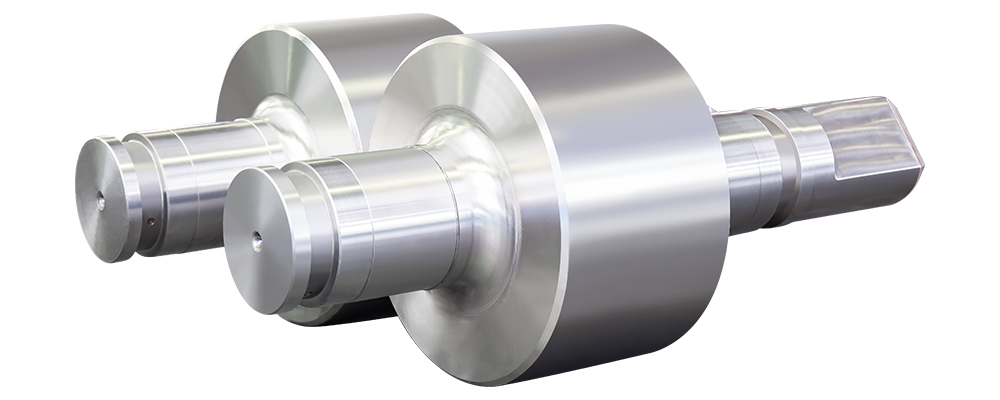
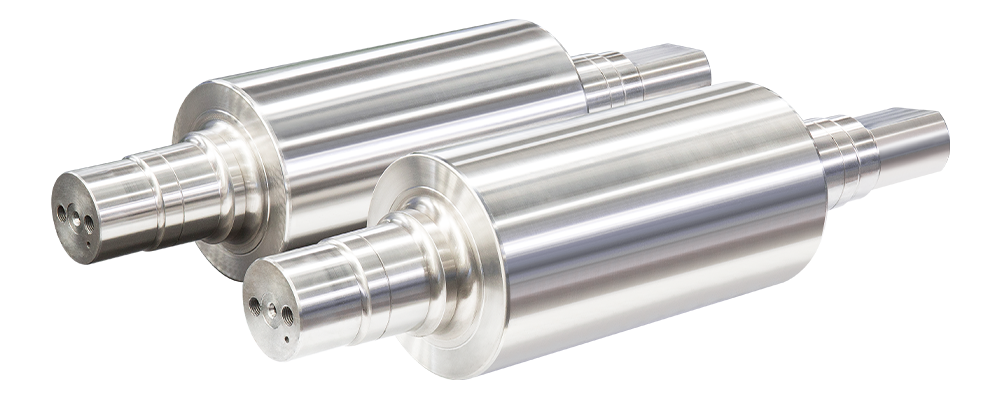
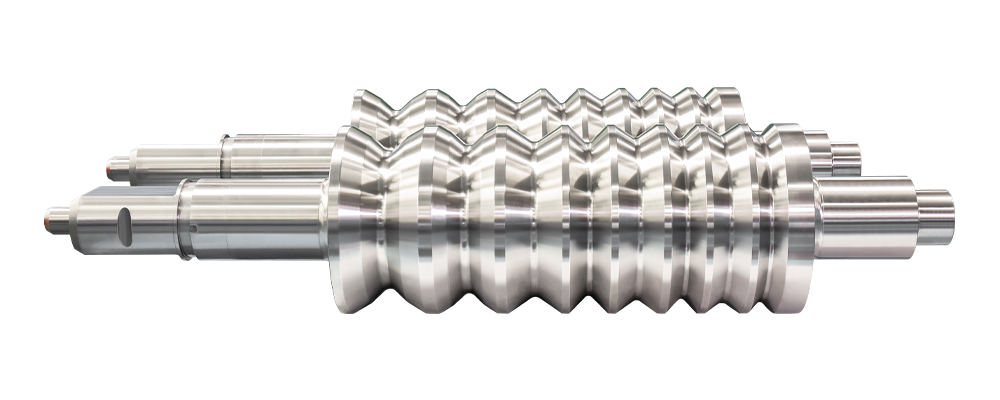
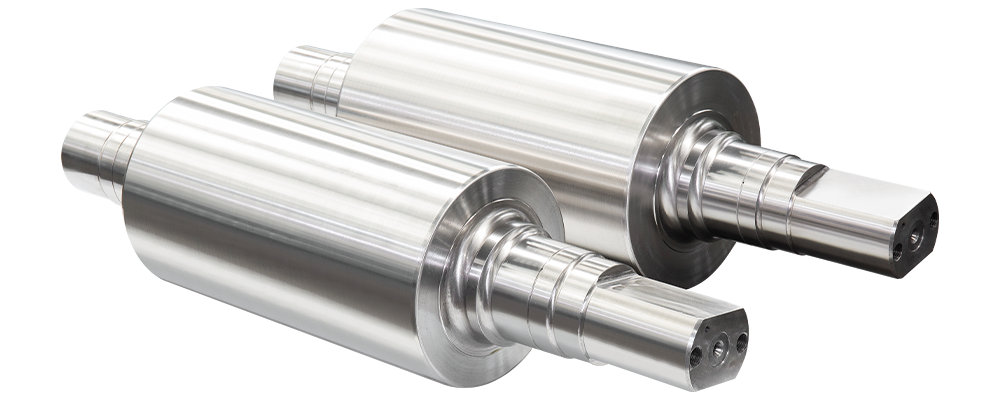
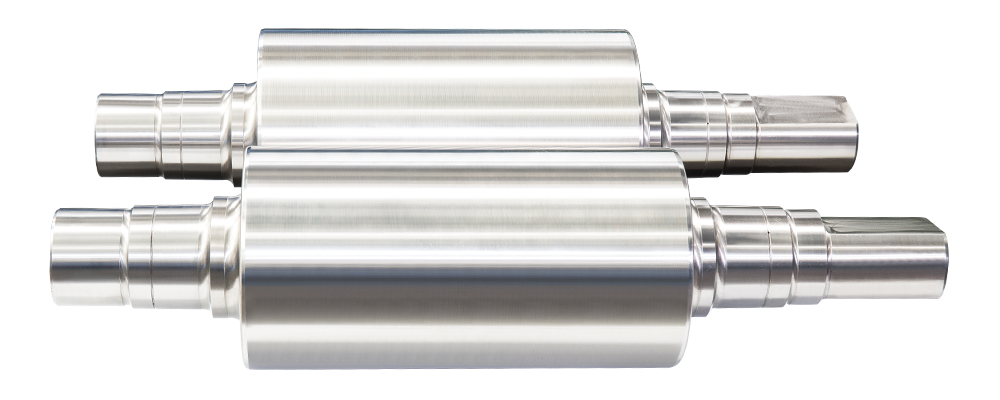
A cast steel roll is a cylindrical tool manufactured through steel casting processes and used to deform metal workpieces in rolling mills. It applies compressive force to reduce thickness, shape profiles, or improve surface quality across a wide range of metallic materials. Unlike forged rolls, cast steel rolls are produced by pouring molten steel into precision molds, allowing complex geometries and alloying compositions that are difficult to achieve through mechanical forming alone.
In modern flat and long product mills, roll selection directly determines productivity, surface quality, and operating cost. Cast steel rolls account for a significant share of global roll consumption because they offer a favorable balance between hardness, toughness, and cost—particularly in roughing stands and intermediate stands where thermal shock resistance is critical.
The mechanical properties of a cast steel roll are largely governed by its chemical composition. Three alloy systems dominate current industrial practice:
Molybdenum additions (0.2–0.8%) consistently improve hardenability and reduce temper brittleness, while vanadium at levels above 0.1% refines carbide distribution and raises hot hardness. Nickel is used selectively to improve core toughness in large-diameter backup rolls where fracture resistance is paramount.
Producing a reliable cast steel roll involves multiple tightly controlled stages that influence microstructure uniformity, residual stress distribution, and dimensional accuracy.
Electric arc furnaces (EAF) or induction furnaces melt the charge, followed by ladle refining to remove sulfur and phosphorus to below 0.025% each. Vacuum degassing is applied for large rolls (diameter > 800 mm) to limit hydrogen content below 2 ppm and reduce internal porosity.
Static sand casting is standard for rolls up to approximately 10 tonnes. Centrifugal casting is increasingly adopted for composite rolls where a high-alloy outer shell is cast around a ductile steel core, enabling radial compositional gradients not achievable with static techniques. Continuous casting with electromagnetic stirring (EMS) improves macro-segregation control in medium-sized rolls.
After stripping from the mold, rolls undergo normalizing or annealing to relieve casting stresses, followed by quench-and-temper cycles tailored to the target hardness profile. Differential hardening—hardening the barrel while the necks remain softer—is a common practice for improving fatigue life at stress-concentration zones. Final tempering at 150–300 °C stabilizes martensite and reduces the risk of spalling during service.
Choosing between cast and forged rolls depends on the specific mill stand, rolling schedule, and economic targets. The table below summarizes the principal differences:
| Parameter | Cast Steel Roll | Forged Steel Roll |
|---|---|---|
| Typical barrel hardness | 35–75 HSD | 55–90 HSD |
| Toughness (CVN) | Moderate | High |
| Thermal shock resistance | Good | Very good |
| Complex alloy shell possible? | Yes (centrifugal) | No |
| Lead time | 4–10 weeks | 8–16 weeks |
| Relative unit cost | Lower | Higher |
| Preferred application | Roughing, intermediate stands | Finishing stands, cold mills |
In hot strip mill roughers, cast steel rolls typically achieve campaign lengths of 150–400 km of rolled product before redressing, depending on rolling schedule severity and cooling adequacy. Forged rolls in the same position can extend campaigns by 20–40% but at a proportionally higher procurement cost.
Understanding common failure mechanisms allows mills to implement predictive maintenance and roll specification improvements that reduce unplanned downtime.
A well-managed roll workshop can extend total roll service life by 30–50% compared to mills with minimal roll-care programs. The following practices define industry best standards:
Sourcing cast steel rolls on price alone is a common procurement mistake; total cost of ownership—measured in cost per tonne of product rolled—is the only economically meaningful metric. When evaluating suppliers, mills should assess:
Global roll consumption exceeds 1.5 million tonnes per year, with cast rolls representing approximately 55–60% of that volume by weight. As steel producers continue to push for higher rolling speeds and thinner gauges, demand for advanced cast steel roll grades with engineered microstructures is expected to grow steadily through the remainder of this decade.

Copyright © Huzhou Zhonghang Roll Co., Ltd. All Rights Reserved.


 English
 中文简体
中文简体