Content
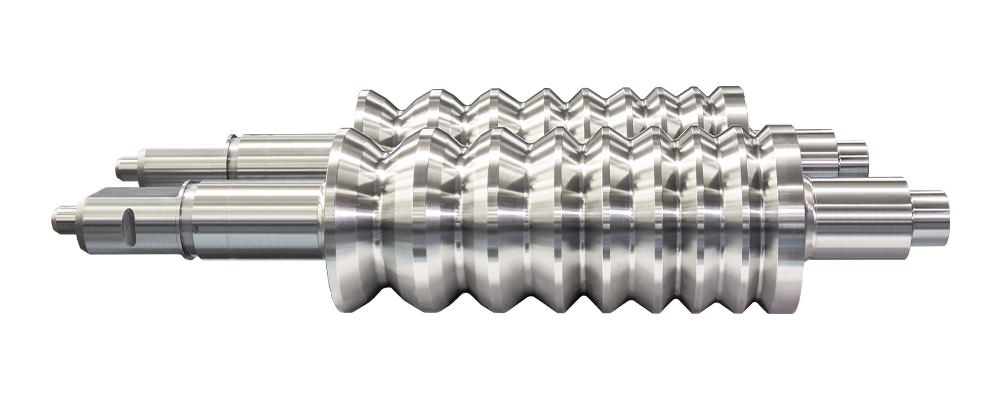
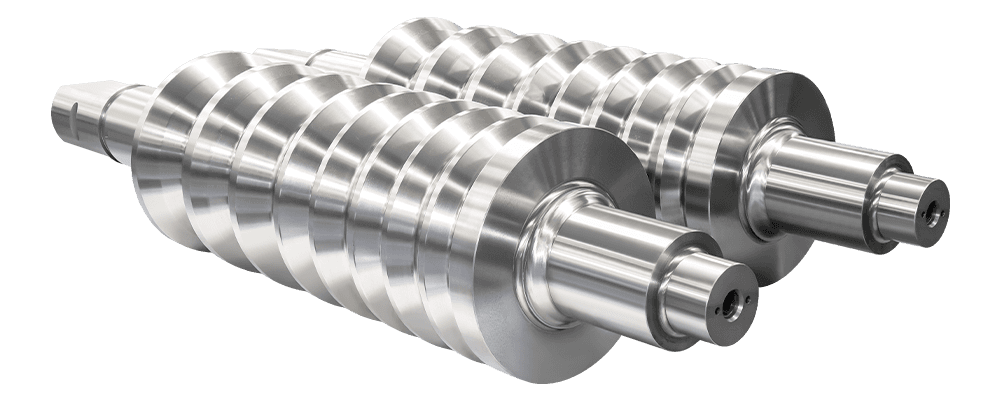
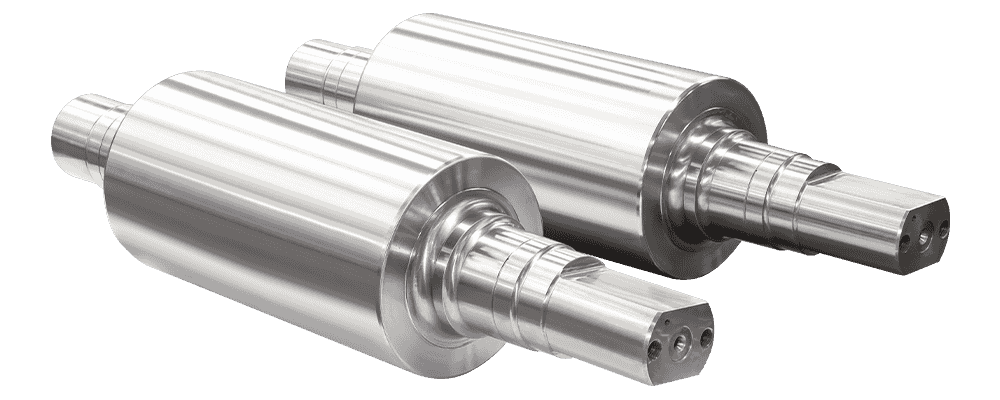
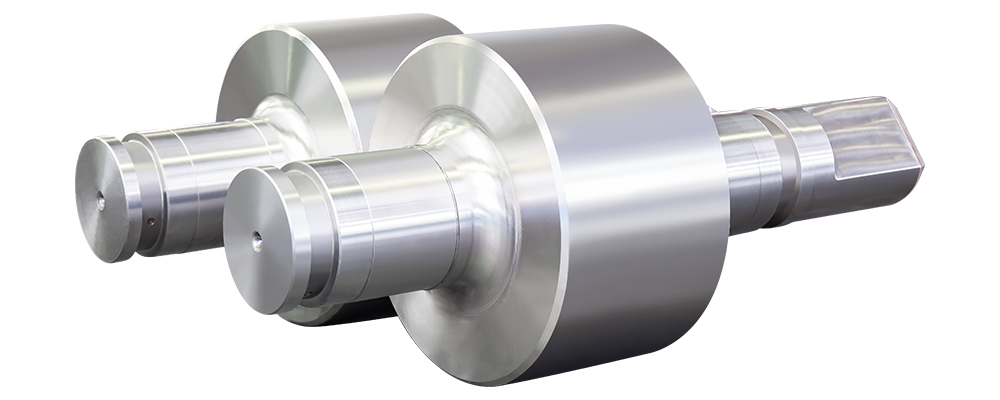
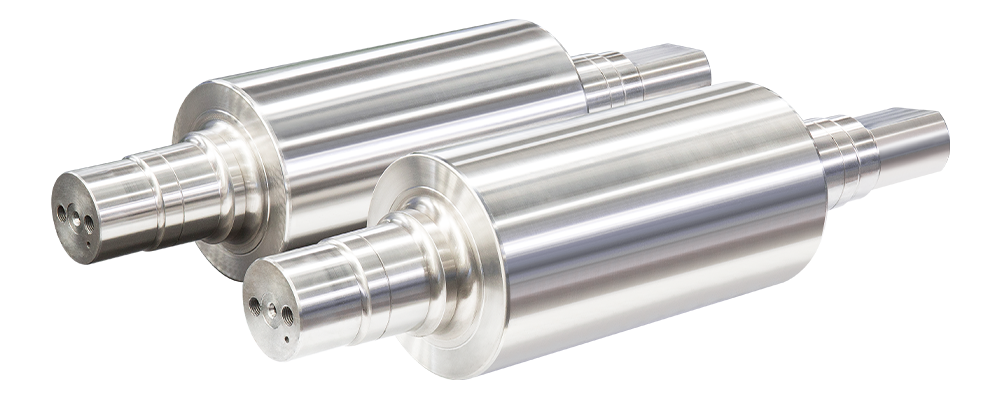
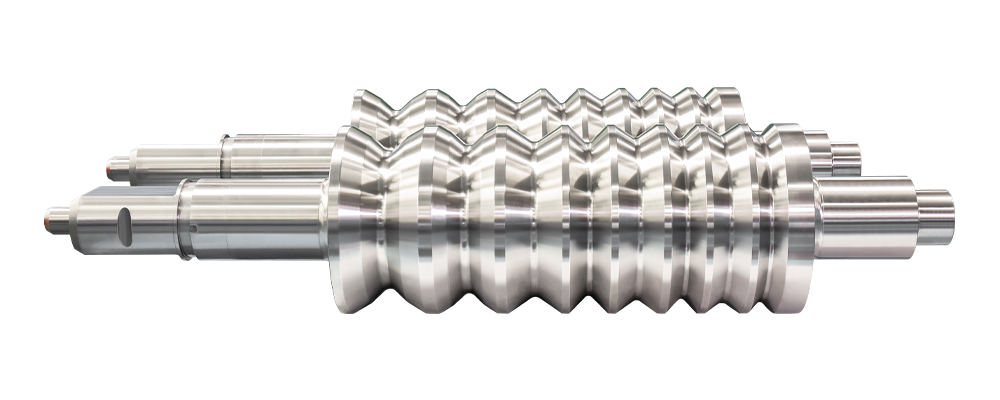
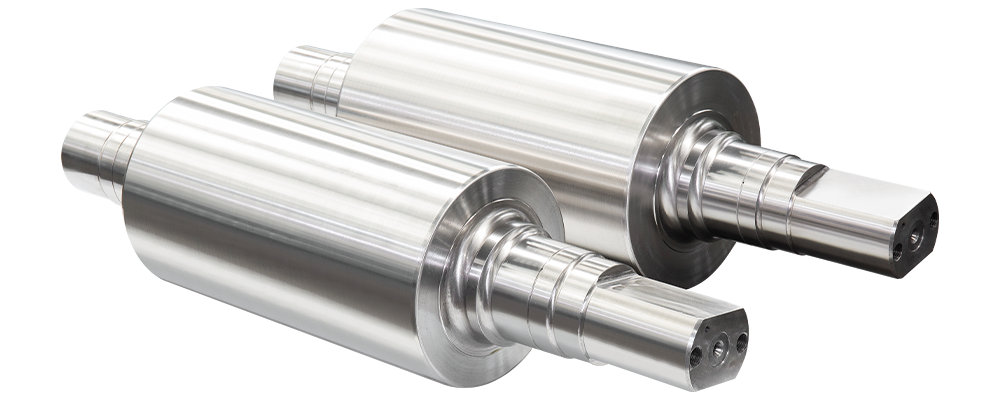
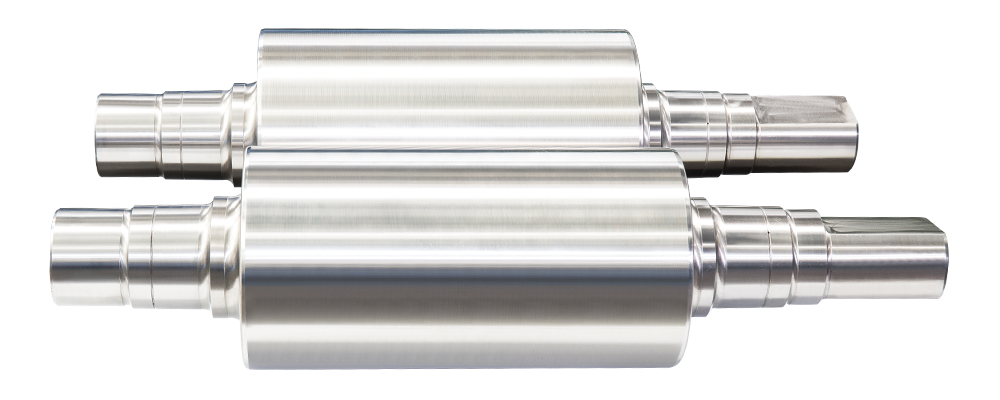
Cast steel roll is cylindrical tools manufactured by pouring molten steel into molds, then heat-treating the solidified casting to achieve the mechanical properties required for rolling mill applications. They are the workhorse of metals processing — used to reduce thickness, shape cross-sections, and improve surface quality in steel, aluminum, and specialty alloy production. Compared to forged or indefinite chill rolls, cast steel rolls deliver a well-balanced combination of hardness, toughness, and thermal conductivity, making them a preferred choice across hot strip mills, plate mills, section mills, and pipe mills worldwide.
Understanding what differentiates a quality cast steel roll — its alloy design, casting method, heat treatment, and failure modes — directly affects mill productivity and cost-per-ton metrics. The sections below cover each of these dimensions with specific data so you can make well-informed sourcing and maintenance decisions.
Rolling mills use three broad families of rolls: cast iron (including indefinite chill and nodular iron), cast steel, and forged steel. Each has a distinct performance envelope.
| Property | Cast Iron Roll | Cast Steel Roll | Forged Steel Roll |
|---|---|---|---|
| Hardness (Shore) | 55–85 | 35–70 | 40–75 |
| Toughness | Low | High | Very High |
| Thermal Shock Resistance | Moderate | Good | Good |
| Relative Cost | Low | Medium | High |
| Typical Application | Cold mills, skin-pass | Hot strip, plate, section | Heavy plate, backup rolls |
Cast steel occupies the middle ground: more crack-resistant than cast iron and more economical than forged steel. In a typical hot strip mill roughing stand, cast steel rolls regularly outlast cast iron rolls by 20–40% in rolling tonnage before a regrind is needed, while costing 30–50% less than equivalent forged rolls.
The alloy chemistry of a cast steel roll is the primary lever for tuning performance. Most cast steel rolls fall into one of three composition families:
With carbon content typically ranging from 0.45% to 0.80% and manganese from 0.60% to 1.20%, C-Mn rolls are the most economical option. They are widely used in roughing stands and billet mills where extreme hardness is not required but toughness is critical. Typical hardness after quench-and-temper heat treatment lands between Shore 35 and 45.
Adding 1.0–2.5% chromium increases hardenability and wear resistance by forming hard chromium carbides, while 0.2–0.5% molybdenum suppresses temper brittleness and improves high-temperature strength. Cr-Mo rolls are the industry standard for intermediate and finishing stands in hot strip mills, with achievable hardness in the Shore 50–65 range. A representative composition might be: C 0.55%, Cr 2.0%, Mo 0.35%, Si 0.35%, Mn 0.80%.
With chromium levels from 5% to 12%, these rolls form a dense network of M7C3 carbides that dramatically improve wear resistance, pushing Shore hardness to 65–75. They are used in demanding finishing applications but require careful campaign management because higher carbide content reduces fracture toughness. One study from a Japanese hot strip mill reported a 55% reduction in surface wear rate when switching from standard Cr-Mo to Hi-Cr cast steel rolls on the last two finishing stands.
The manufacturing sequence has a direct bearing on the internal soundness, residual stress state, and fatigue life of a cast steel roll. A typical production flow includes the following stages:
Heat treatment is where chemistry becomes performance. The interaction between austenitizing temperature, quench rate, and tempering conditions determines the final microstructure — which is the root cause of all mechanical properties.
| Tempering Temp (°C) | Hardness (Shore) | Tensile Strength (MPa) | Charpy Impact (J) | Primary Application |
|---|---|---|---|---|
| 400 | 68–72 | 1,800–2,000 | 15–20 | Finishing stands (light loads) |
| 500 | 58–63 | 1,500–1,700 | 30–45 | Intermediate / universal stands |
| 580 | 45–52 | 1,200–1,400 | 55–70 | Roughing stands (high-impact) |
A critical but often overlooked parameter is the cooling rate during quenching. In large-diameter rolls (barrel diameter ≥ 900 mm), the core cools significantly slower than the surface, creating tensile residual stresses at the core if the quench is too aggressive. Many roll failures that appear to be fatigue failures on the surface actually originate from subsurface tensile stress concentrations — a finding consistently supported by fractographic analysis.
Roll failures are expensive — a catastrophic breakout can mean a minimum of 8–24 hours of unplanned downtime plus roll replacement costs. Understanding the root causes is the first step toward prevention.
The most prevalent failure mode in hot rolling. Each revolution exposes the roll surface to a thermal cycle: rapid heating during contact with the hot slab (surface temperatures can reach 600–700°C) followed by rapid cooling from the water spray. Over thousands of cycles, this induces a network of fine cracks, typically 0.5–2.0 mm deep. Inadequate cooling water volume is the primary operational cause — a minimum flow rate of 4,000 L/min per stand is commonly cited as a baseline for strip mills. Rolls should be reground before crack depth exceeds 1.5 mm to prevent propagation into the roll body.
Spalling is the detachment of a shell fragment (typically a few millimeters to 20 mm deep) from the roll surface. It is driven by subsurface shear stresses exceeding the material's fatigue limit, often at pre-existing casting defects like shrinkage pores or inclusion clusters. Ultrasonic inspection records show that rolls with internal defects larger than 3 mm equivalent diameter have a spalling probability roughly 4–6 times higher than defect-free rolls under comparable mill loads.
Catastrophic breakage typically results from a combination of pre-existing defects, excessive thermal or mechanical shock (e.g., cobble, strip weld failure, cooling water interruption), and inadequate toughness. The risk is highest in the necks of the roll, where stress concentrations are governed by the geometry of the fillet radius. Increasing the neck fillet radius from 20 mm to 35 mm, as some OEMs now specify, can reduce peak stress concentration by 15–25% according to finite element analysis studies.
In section and wire rod mills, groove wear determines rolling schedule length. Higher-chromium cast steel grades wear approximately 20–35% slower than standard C-Mn steel in groove rolls for rebar and wire rod, based on production data from multiple European long product mills.
Even a well-manufactured cast steel roll will underperform if mill management practices are suboptimal. The following practices consistently yield the highest roll life and lowest incident rates:
The correct grade selection hinges on four variables: rolling temperature, reduction per pass, strip or section geometry, and mill speed. The following matrix provides a practical starting point:
| Mill Type / Stand | Recommended Grade | Target Shore Hardness | Key Priority |
|---|---|---|---|
| Hot strip mill – roughing | C-Mn or Cr-Mo (low temper) | 35–50 | Toughness, thermal shock resistance |
| Hot strip mill – finishing | Cr-Mo or Hi-Cr cast steel | 55–70 | Wear resistance, surface quality |
| Plate mill | Cr-Mo cast steel | 45–58 | Balance of wear and toughness |
| Section / structural mill | C-Mn or Cr-Mo (low alloy) | 38–55 | Groove wear resistance, machinability |
| Tube / pipe mill | Cr-Mo cast steel | 48–62 | Dimensional stability, wear |
When evaluating suppliers, request material certifications that include chemical analysis (heat and product), mechanical test results (tensile, hardness, Charpy), and ultrasonic inspection reports. Any reputable cast steel roll manufacturer should be able to provide full traceability from heat number to finished roll.
The cast steel roll market has seen several meaningful technical advances over the past decade that are worth knowing about if you are re-evaluating your roll procurement strategy.
Composite technology — bonding a high-wear outer shell of Hi-Cr cast steel or high-speed steel to a tough nodular iron or cast steel core via centrifugal casting — allows optimizing each zone independently. The outer shell provides surface hardness of Shore 75–85 while the core maintains Charpy impact values above 20 J. Sleeve rolls, where a separately cast shell is press-fitted onto a reusable steel core, reduce consumable material costs by 40–60% over the roll lifecycle compared to solid roll construction.
Casting simulation software (ProCAST, MAGMASOFT) is now widely used by leading manufacturers to predict shrinkage porosity, hot spots, and solidification sequence before a roll is ever cast. Mills that have partnered with suppliers using simulation-guided design report a reduction in first-article rejection rates from the industry average of 8–12% down to 2–4%.
Several major steel producers now use RFID tags embedded in roll necks and digital platforms to track cumulative tonnage, temperature history, and regrind records for every roll in inventory. Pairing this data with machine learning models for spall prediction has enabled one European hot strip mill operator to reduce unplanned roll-related stoppages by 38% within two years of full deployment.
The purchase price of a cast steel roll is rarely the most important cost driver. Total cost of ownership (TCO) encompasses the full lifecycle: initial cost, campaign tonnage, regrind frequency, scrap weight, and the cost of any downtime caused by premature failure.
A simple TCO model comparing two hypothetical Cr-Mo rolls illustrates this clearly: Roll A costs $15,000 and achieves 8,000 tonnes per campaign with a regrind stock removal of 4 mm, giving a total usable stock of 80 mm and therefore 20 campaigns. Roll B costs $18,000 but achieves 12,000 tonnes per campaign with the same regrind stock. Over the same production volume (160,000 tonnes), Roll A requires roughly 20 campaigns (≈20 grinds), while Roll B requires only 14. Factoring in grinding costs of $400 per grind, Roll B's TCO is approximately 18% lower despite the higher purchase price.
This type of analysis — straightforward but often overlooked in procurement — is why metallurgical performance data matters more than the price per kilogram when specifying cast steel rolls.

Copyright © Huzhou Zhonghang Roll Co., Ltd. All Rights Reserved.


 English
 中文简体
中文简体