Content
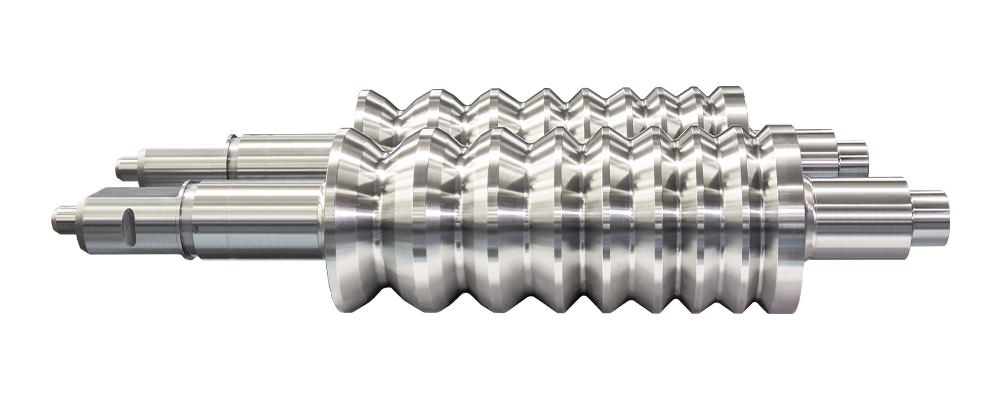
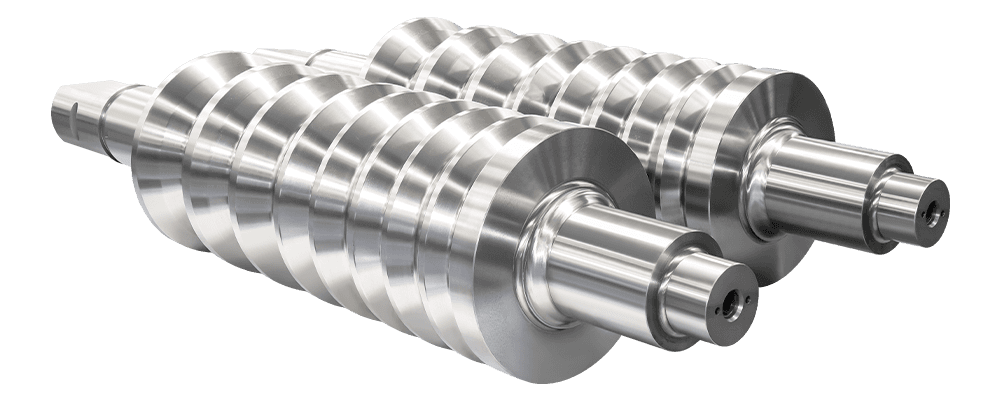
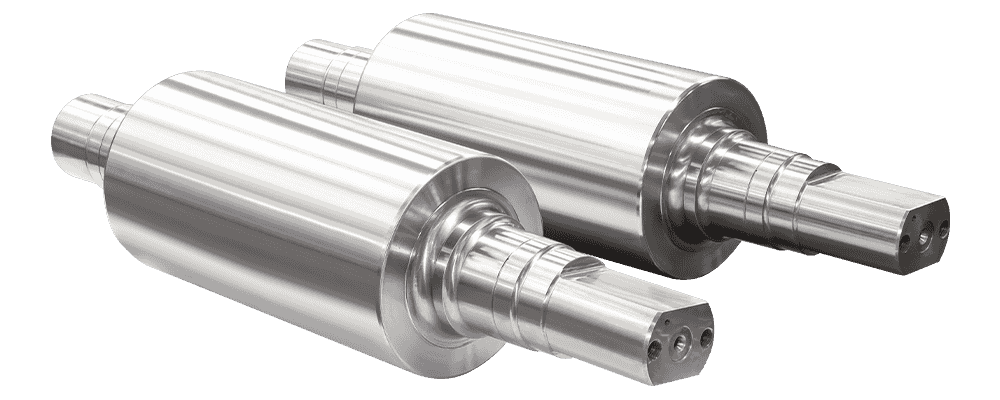
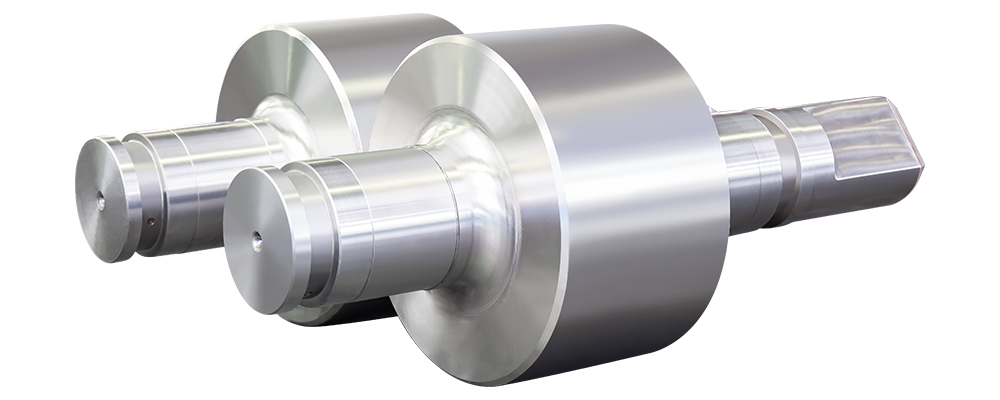
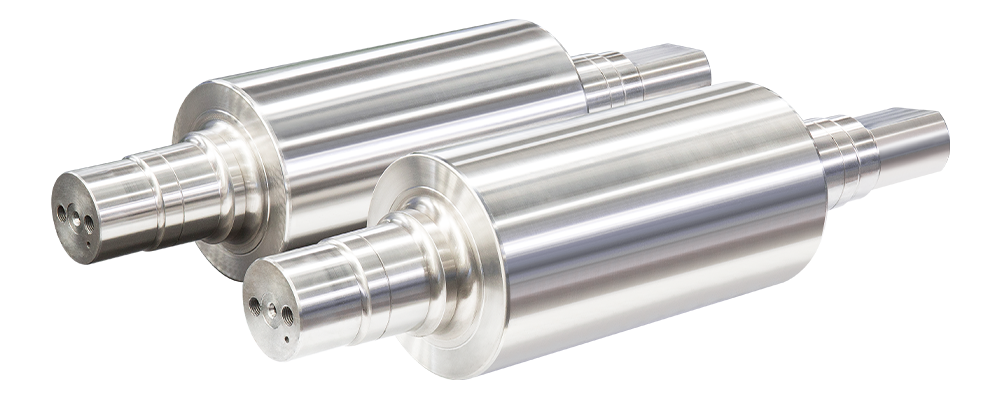
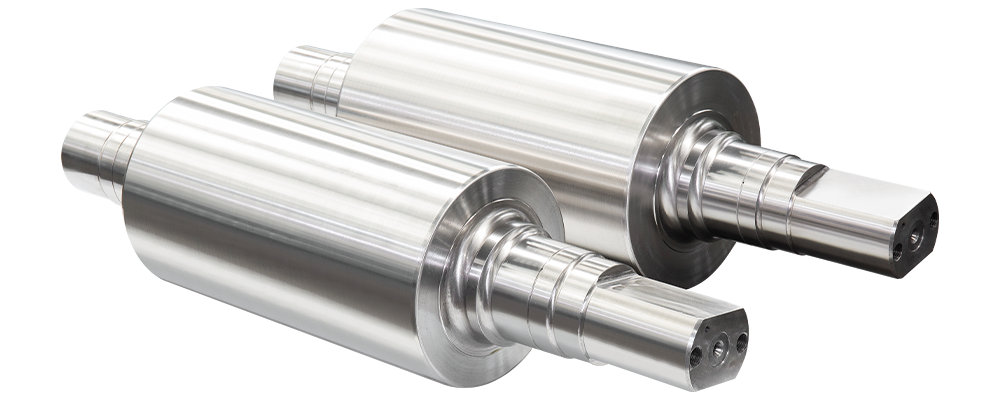
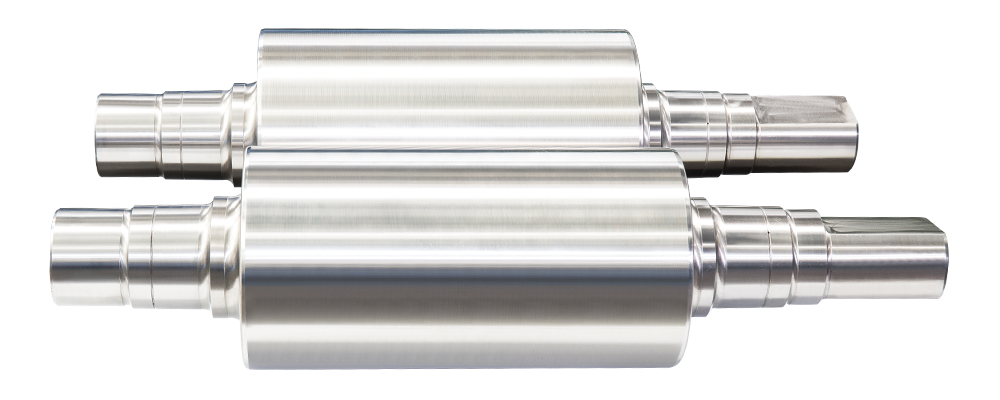
A cast steel roll ring is a cylindrical or ring-shaped component produced through a casting process using steel alloys, designed to withstand the extreme mechanical loads, thermal cycling, and abrasive wear encountered in rolling mill operations. Unlike wrought or forged rings, cast steel roll rings are shaped directly from molten metal poured into molds, allowing complex geometries and large diameters to be achieved in a single production step.
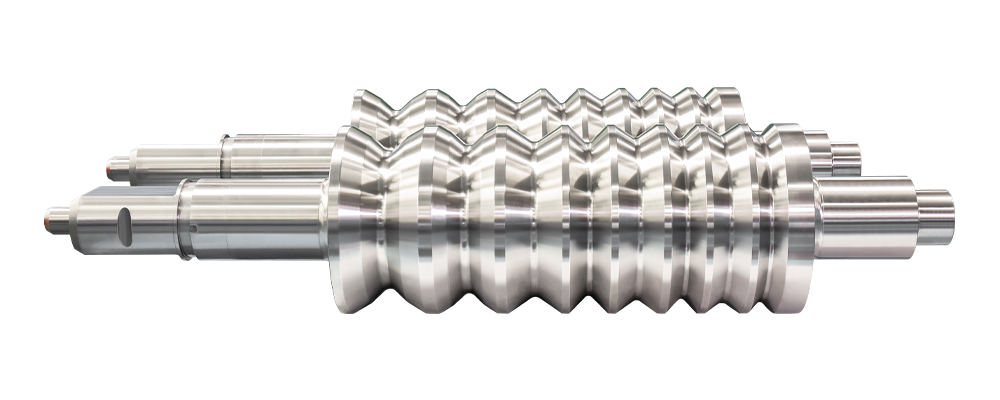
These rings serve as the working surface in hot and cold rolling mills, rod mills, wire rod mills, bar mills, and tube-rolling equipment. They are the critical interface between the mill drive and the workpiece, transmitting enormous rolling forces while maintaining dimensional accuracy across millions of rolling cycles.
The performance of a cast steel roll ring depends heavily on its chemical composition. Alloy selection must balance hardness at the working surface with toughness in the core to prevent brittle fracture under shock loading. Common material systems include:
Carbon content typically ranges from 0.8% to 2.5% C, with chromium additions from 1% up to 18% depending on the target application. Molybdenum, vanadium, and nickel are added to refine carbide morphology and improve deep hardenability.
| Grade Family | Typical Hardness (Shore C) | Key Advantage | Common Application |
|---|---|---|---|
| Cr-Mo Cast Steel | 55 – 70 | Impact toughness | Roughing stands |
| High-Cr Cast Steel | 70 – 80 | Wear & oxidation resistance | Finishing stands |
| HSS Composite | 80 – 90 | Ultra-long campaign life | Wire rod, bar mills |
| Adamite / Semi-steel | 45 – 60 | Cost-effectiveness | Pre-finishing passes |
Producing a high-quality cast steel roll ring demands tight process controls at every stage, from charge preparation through final inspection. The primary manufacturing routes are:
Molten steel is poured into a sand or metallic mold and allowed to solidify under gravity. This method suits large-diameter rings and complex bore profiles but requires careful attention to feeding system design to minimize shrinkage porosity. Directional solidification techniques and optimized riser placement are essential for achieving dense, homogeneous microstructures.
The mold is rotated at high speed while metal is poured, causing denser phases to segregate outward under centrifugal force. This produces a harder, carbide-rich working surface with a tougher inner core—a naturally graded structure ideally suited to roll ring service conditions. Centrifugal casting is the preferred route for composite HSS and high-chromium rings, and it consistently achieves lower porosity than static casting for tubular geometries.
After casting, rings undergo carefully designed heat treatment cycles—typically austenitizing, quenching, and multi-stage tempering—to achieve the required surface hardness, residual stress profile, and dimensional stability. Incorrect heat treatment is one of the leading causes of premature spalling or cracking in service, so thermal cycle validation is a critical quality checkpoint.
Rings are finish-machined to tight tolerances on bore diameter, OD, and groove profile. Non-destructive testing methods—including ultrasonic testing (UT), magnetic particle inspection (MPI), and hardness mapping—verify internal integrity and surface quality before dispatch.
When evaluating a cast steel roll ring for a specific rolling application, engineers focus on a cluster of interrelated performance indicators:
Campaign life—the tonnage a ring can roll before regrinding—is the ultimate economic metric. For wire rod finishing blocks, HSS composite rings can achieve campaign lives 3–5 times longer than conventional high-chrome cast steel rings, substantially reducing roll change frequency and mill downtime.
Cast steel roll rings are deployed across a wide range of metalworking industries wherever continuous rolling forces must be applied to shape metal products:
Selecting the optimal cast steel roll ring for a given mill position involves matching material properties to the specific mechanical, thermal, and metallurgical demands of that stand. A systematic selection process should address:
Collaboration with the roll ring manufacturer's technical team during the selection phase is strongly recommended. Sharing mill data—pass schedules, rolling loads, cooling water flow rates, and historical ring performance records—enables precise alloy and heat treatment specification that maximizes uptime and minimizes total rolling cost.

Copyright © Huzhou Zhonghang Roll Co., Ltd. All Rights Reserved.


 English
 中文简体
中文简体