Content
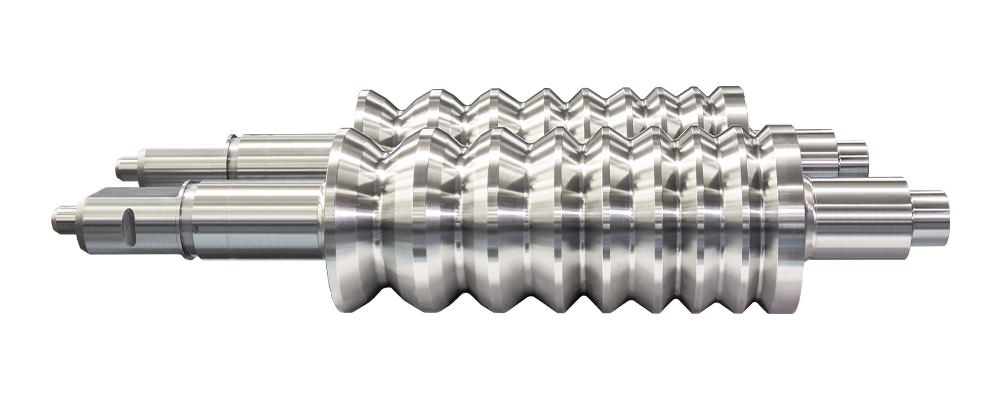
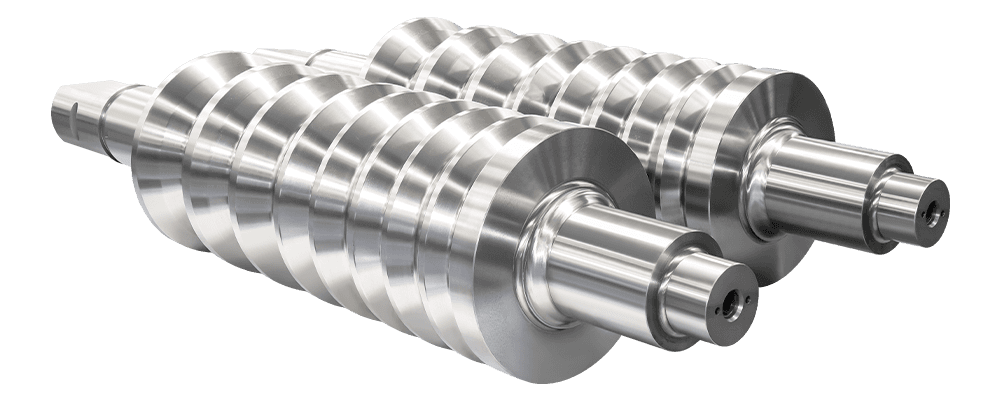
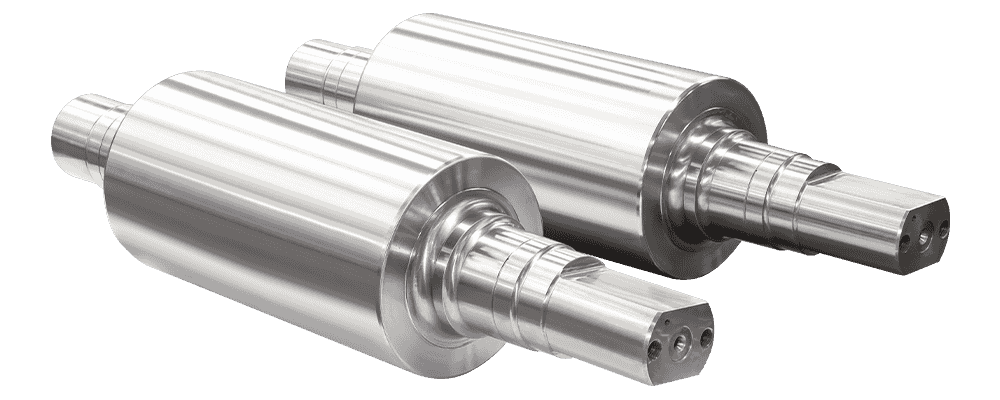
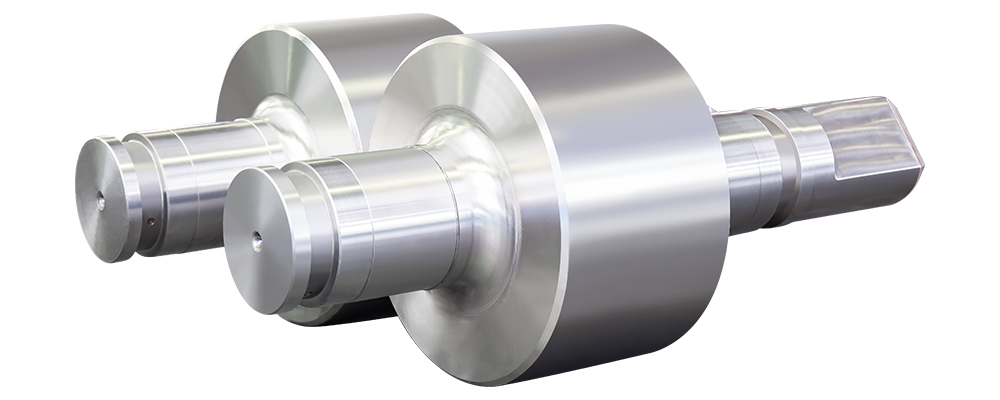
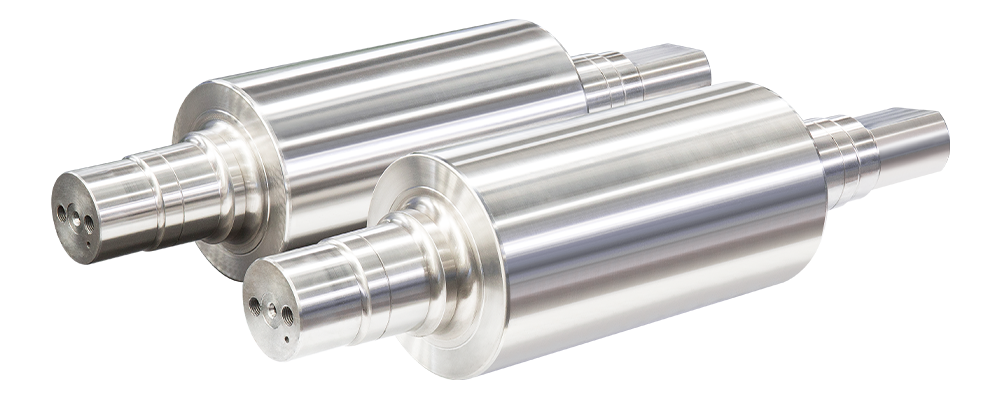
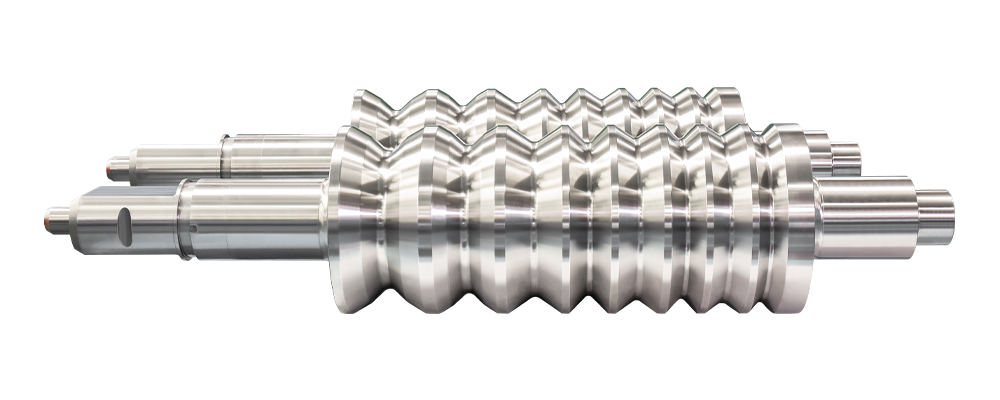
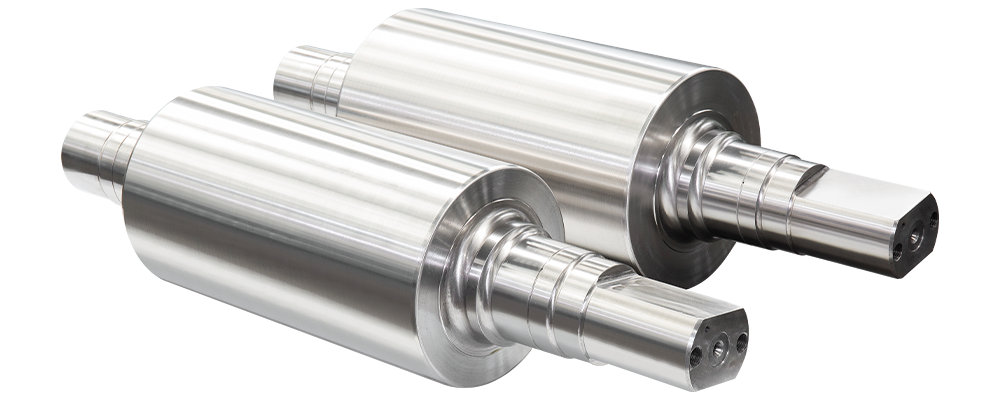
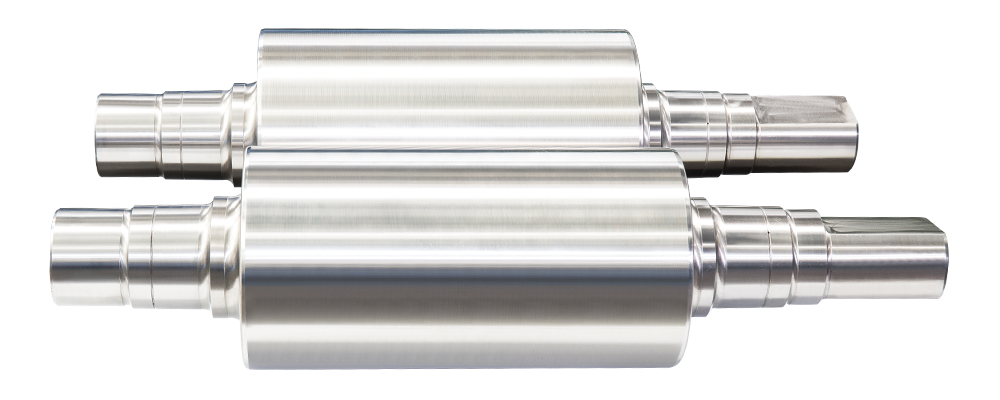
Clear chilled rolls deliver a decisive performance advantage in metal rolling by combining a pure white iron working layer with a hardness of 60 to 70 Shore C and a tough, graphite-free microstructure. This construction directly translates to extended service life and reliable operation under high-temperature, high-pressure conditions. The roll body exhibits excellent wear resistance, while the neck provides the strength and toughness needed to resist mechanical and thermal shocks.
Clear chilled rolls belong to the alloy chilled cast iron family, produced by carefully adding nickel, chromium, and molybdenum. These elements suppress graphite formation during solidification, creating a working layer that is entirely free of free graphite. The result is a pure white iron structure with a dense matrix of sorbite, martensite, and bainite. This combination is the direct reason for the roll’s high hardness and wear resistance. The chilled depth is precisely controlled, typically reaching 20 to 50 millimeters depending on roll diameter and application requirements, ensuring a long-lasting hard exterior without compromising the tougher core.
The absence of graphite eliminates internal stress concentration points that often initiate cracking in other cast iron rolls. At the same time, the core and neck retain a grey iron structure with higher amounts of graphite, which absorbs vibration and provides mechanical stability. This gradient property is a defining feature that allows clear chilled rolls to withstand extreme bending and torsional loads without catastrophic failure.
Wear resistance is the primary reason mills select clear chilled rolls. The surface hardness is consistently maintained across the entire working width, with typical values falling between 60 and 70 Shore C. In controlled tests, these rolls exhibit 2 to 3 times the wear life of conventional pearlitic nodular iron rolls when processing the same tonnage of hot-rolled bars or sections. The high hardness does not merely delay surface material loss; it also preserves the original surface finish of the groove, reducing the frequency of re-machining and improving the dimensional tolerance of the rolled product.
| Property | Characteristic Value |
|---|---|
| Working layer hardness | 60 – 70 Shore C |
| Free graphite in working layer | None (pure white iron) |
| Matrix microstructure | Sorbite, martensite, bainite |
| Neck tensile strength | 350 – 450 MPa |
| Thermal conductivity | Moderate, balanced for heat extraction |
Hot rolling subjects rolls to severe thermal cycling. Clear chilled rolls are designed to operate effectively at interface temperatures frequently exceeding 600 degrees Celsius. The absence of graphite combined with the bainitic-martensitic matrix minimizes softening from heat accumulation and reduces fire cracking tendencies. The roll neck, cast with a higher graphite content and a tougher structure, ensures that the entire assembly withstands sudden overloads, cobble events, or misalignment accidents without fracturing. This accident resistance is a critical safety and cost factor, as a roll breakage in a finishing stand can halt production for hours.
The profile of high hardness and a tough core makes clear chilled rolls especially valuable in specific rolling mill stands where wear resistance and surface finish quality are paramount. Common applications include:
In each of these positions, the roll must produce a defect-free surface on the hot metal while maintaining groove geometry over thousands of tons of throughput. The pure white iron layer ensures that no graphite is pulled out of the surface to create pits or scratches on the finished product.
Achieving the required chilled depth and uniform hardness demands advanced casting techniques. Static casting into precisely designed metal molds or centrifugal casting methods are employed to promote directional solidification and a clean transition between the white iron shell and the grey iron core. After casting, the rolls undergo multi-stage heat treatment cycles to relieve stress and refine the as-cast structure. Final machining achieves a surface roughness of Ra 0.8 to 1.6 micrometers on the working surface, ensuring the rolled metal leaves the stand with a bright, clean finish free from roll-induced marks. This surface integrity directly influences the quality of downstream processing such as plating or coating.
To fully exploit the advantages of clear chilled rolls, several practical measures should be implemented on the mill floor. Adhering to these practices can extend roll life by 15 to 25 percent and reduce unexpected failures:
Understanding how clear chilled rolls differ from other common roll materials helps in making informed selection decisions. While indefinite chill rolls contain finely dispersed graphite and offer a balance of friction and wear properties, they cannot match the absolute hardness and graphite-free surface of a clear chilled roll. High-chrome iron rolls provide excellent wear resistance but typically at a higher cost and with lower toughness in smaller diameter applications. Clear chilled rolls occupy a sweet spot where maximum wear resistance and moderate toughness are required without the need for extreme alloy content. This makes them a cost-effective choice for many long-product finishing operations.

Copyright © Huzhou Zhonghang Roll Co., Ltd. All Rights Reserved.


 English
 中文简体
中文简体