Content
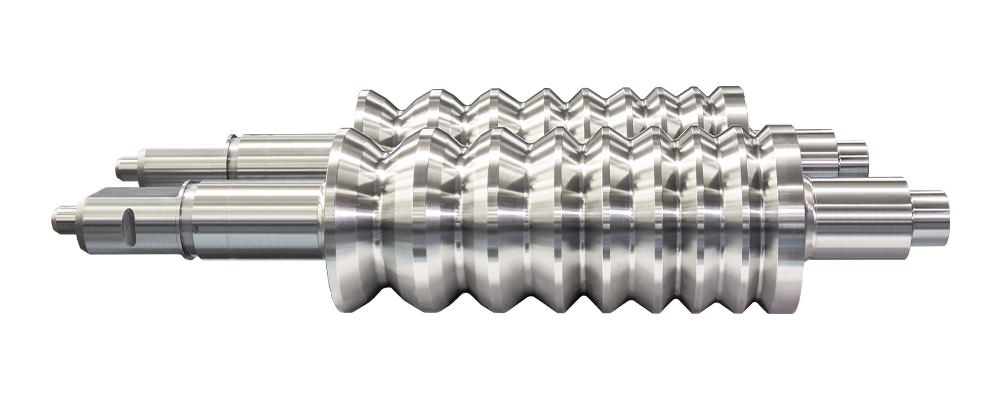
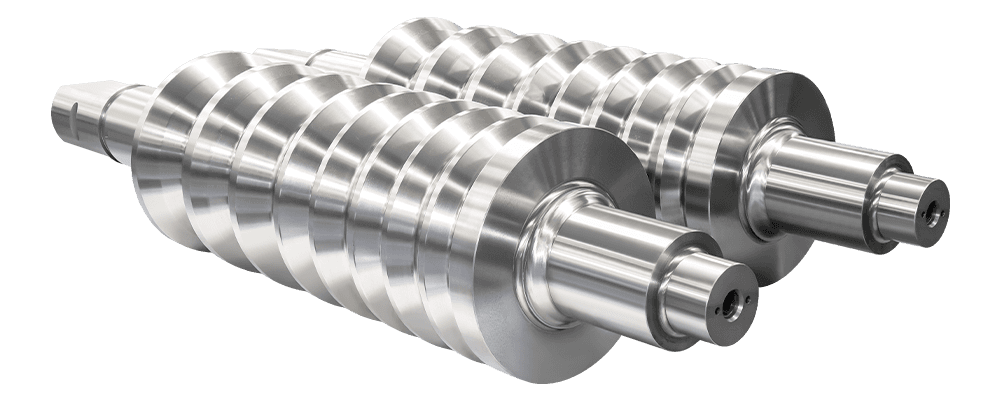
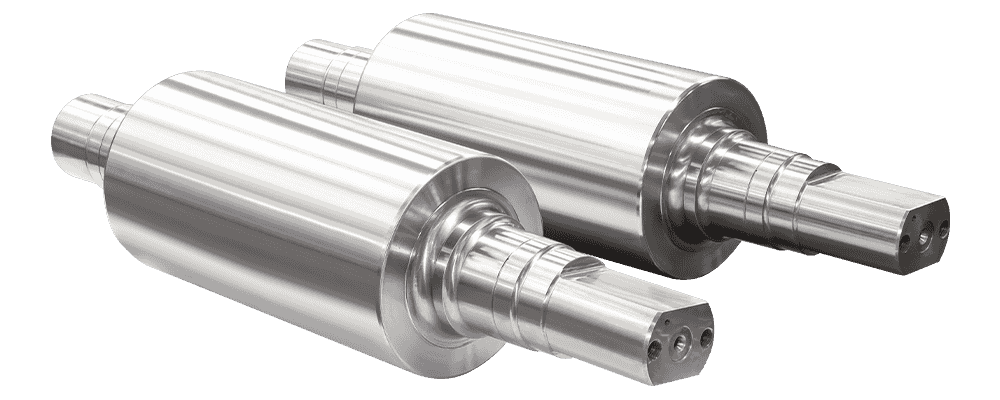
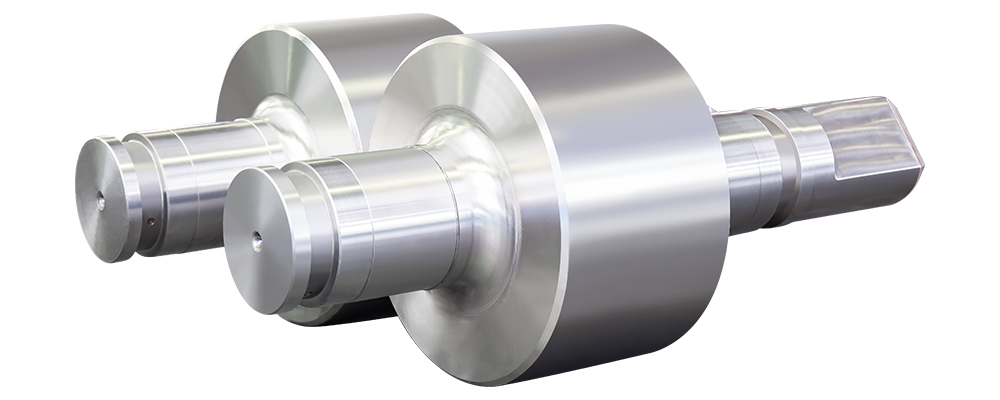
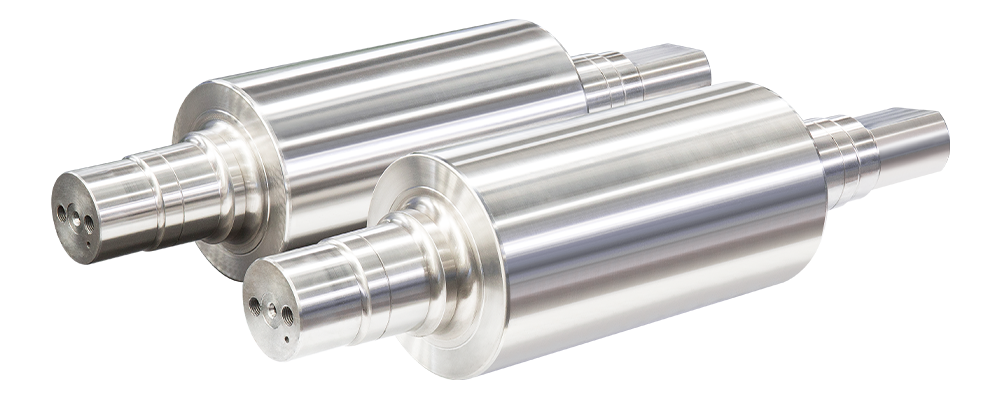
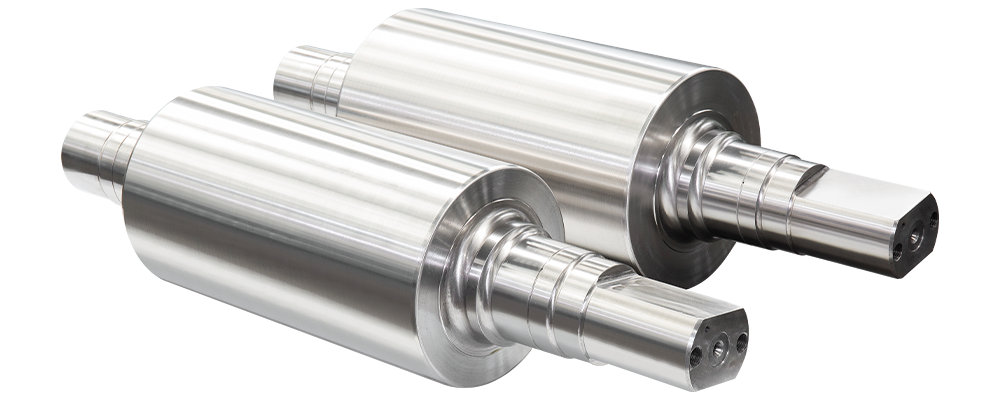
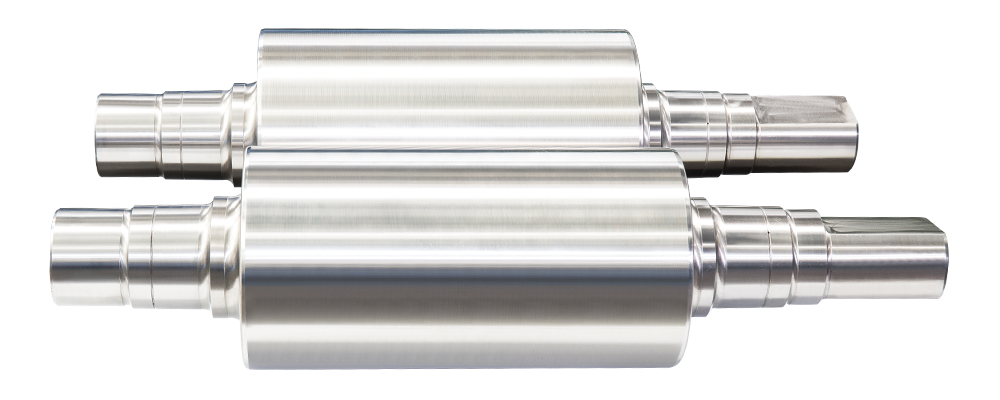
A roll failure mid-campaign does not just stop production — it scraps product, disrupts schedules, and triggers a root-cause review that rarely ends quickly. For finishing and temper mill operators, choosing the wrong roll material is one of the fastest ways to get there. clear chilled rolls — also designated CC rolls in metallurgical standards — are a material class specifically engineered to prevent that scenario in high-hardness, high-wear applications.
This guide covers what makes them distinct from other cast iron roll types, what the chemistry and mechanical data actually look like, and how to match the right grade to your mill stand.
The defining characteristic is the working surface. During casting, the outer layer of the roll is cooled rapidly against a metal chill mold, forcing the iron to solidify before graphite can nucleate. The result is a white iron layer — graphite-free, with the matrix locked in a structure of sorbite, martensite, and bainite. This "clear" white zone is where the name comes from.
Unlike indefinite chilled rolls (IC grades), which have a gradual transition between the white surface and the grey core, CC rolls maintain a distinct, well-defined chill depth. The core retains the toughness of grey iron to absorb rolling loads without cracking, while the neck achieves the strength and accident resistance demanded by high-throughput mill schedules. The combination is what makes these rolls suitable for environments where both surface wear and structural integrity are non-negotiable.
CC rolls are alloyed with nickel, chromium, and molybdenum — three elements that work together to stabilize the martensitic matrix, refine carbide distribution, and improve thermal conductivity. The specific composition governs which grade a roll falls into.
| Grade | C (%) | Cr (%) | Ni (%) | Mo (%) | Hardness (HSD) | Tensile Strength | Diameter (mm) |
|---|---|---|---|---|---|---|---|
| CCIII | 2.90–3.60 | 0.50–1.50 | 2.01–3.00 | 0.20–0.60 | 65–80 | ≥350 MPa | Ø300–800 |
| CCIV | 2.90–3.60 | 0.50–1.70 | 3.01–4.50 | 0.20–0.60 | 70–85 | ≥350 MPa | Ø300–800 |
The carbon content — held between 2.90% and 3.60% across both grades — balances hardness against brittleness. Chromium at 0.50–1.70% suppresses graphite formation and reinforces carbide stability. The key differentiator between CCIII and CCIV is nickel: CCIII carries 2.01–3.00% Ni, while CCIV steps up to 3.01–4.50% Ni. Higher nickel content deepens hardenability, widens the effective chill zone, and raises the surface hardness ceiling to 85 HSD — the reason CCIV is specified for the most demanding wire rod finishing work.
The hardness range of 65–85 HSD puts CC rolls in an application zone that sits between standard grey iron rolls and high-chromium iron grades. They excel wherever the roll surface must maintain dimensional stability under moderate-to-high rolling speeds with abrasive contact.
For roughing stands subject to high impact loads, cast iron rolls of higher toughness grades are usually a better fit. The CC family is optimized for refined and finishing-side rolling, not primary reduction.
The choice between CCIII and CCIV comes down to two variables: the severity of the abrasive loading and the required surface hardness floor.
CCIII (65–80 HSD) covers the majority of section mill and hot sheet applications. The nickel content of 2.01–3.00% provides adequate hardenability for roll diameters up to 800 mm, and the hardness window comfortably handles the contact pressures in intermediate and finishing stands of bar and structural mills.
CCIV (70–85 HSD) is the choice when hardness cannot be compromised — primarily wire rod mill finishing blocks and temper pass work rolls where surface wear must be minimal across long campaigns. The elevated nickel addition (up to 4.50%) ensures a deeper and more uniform chill layer, sustaining hardness even as the roll surface is reworked between campaigns. The slightly wider chromium range (up to 1.70%) further stabilizes the carbide structure under thermal cycling.
Both grades share the same tensile strength floor (≥350 MPa) and carbon chemistry, meaning the necks carry comparable structural loads. The upgrade from CCIII to CCIV is purely a surface performance decision, not a structural one.
One advantage CC rolls offer over some harder alternatives is thermal conductivity. The alloy chemistry — particularly the molybdenum addition at 0.20–0.60% — supports even heat dissipation across the roll body during rolling. This reduces localized thermal stress, limits thermal deformation, and directly contributes to the dimensional accuracy of the finished product.
The graphite-free white iron surface also means no surface pitting from graphite pullout — a failure mode seen in grey iron grades under high contact stress. The result is a consistently high surface finish on rolled product across the full working campaign.
For operations requiring a deeper understanding of how microstructure drives these properties, the relationship between cast iron microstructure and wear resistance explains the carbide and matrix mechanics in detail.
Clear chilled rolls occupy a well-defined performance band in the cast iron roll family: harder and more wear-resistant than indefinite chilled grades, more cost-effective than high-chromium iron for the mill stands they are designed to serve. The two grades — CCIII at 65–80 HSD and CCIV at 70–85 HSD — cover the full range of section, wire, narrow strip, and temper mill applications where surface integrity drives product quality.
Specifying the right grade against actual mill conditions — stand position, product type, rolling speed, and campaign target — is the most reliable path to consistent performance and lower cost-per-ton. For full technical specifications and custom sizing options, the clear chilled rolls product range covers both grades with OEM manufacturing support.

Copyright © Huzhou Zhonghang Roll Co., Ltd. All Rights Reserved.


 English
 中文简体
中文简体