Content
In modern steel rolling mills, combining rolling mill rolls is a strategic approach to balance productivity, surface quality, wear resistance, and operational cost. Instead of relying on a single roll type across all stands, manufacturers integrate different roll materials and designs based on temperature zones, load conditions, and product finish requirements. This method improves roll life while maintaining consistent strip thickness and surface integrity.
For example, roughing stands typically require rolls with high impact strength, while finishing stands prioritize surface smoothness and dimensional control. By combining forged steel rolls, high-chromium cast iron rolls, and composite rolls, mills achieve both durability and precision.
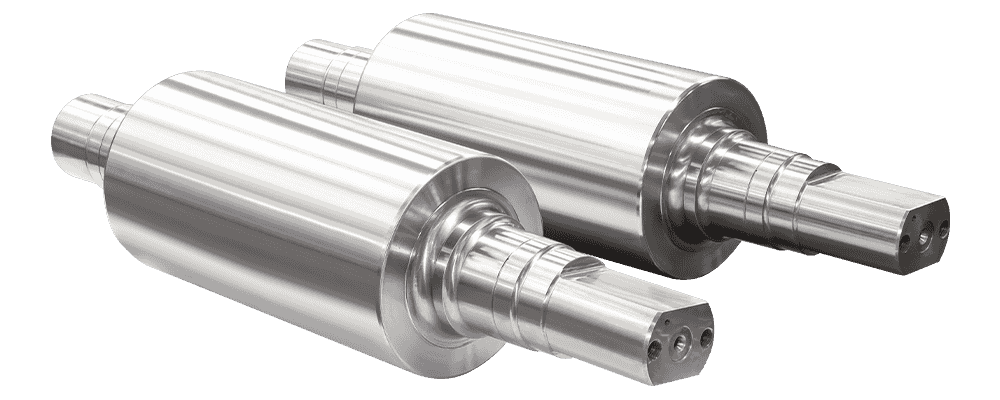
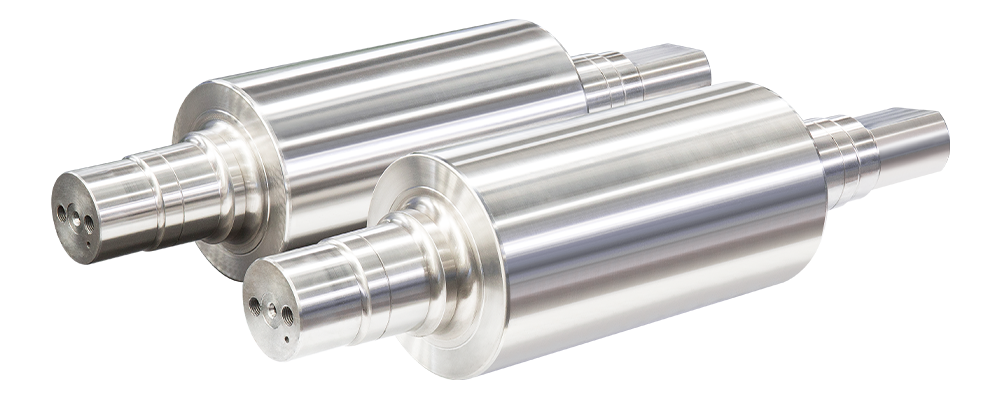
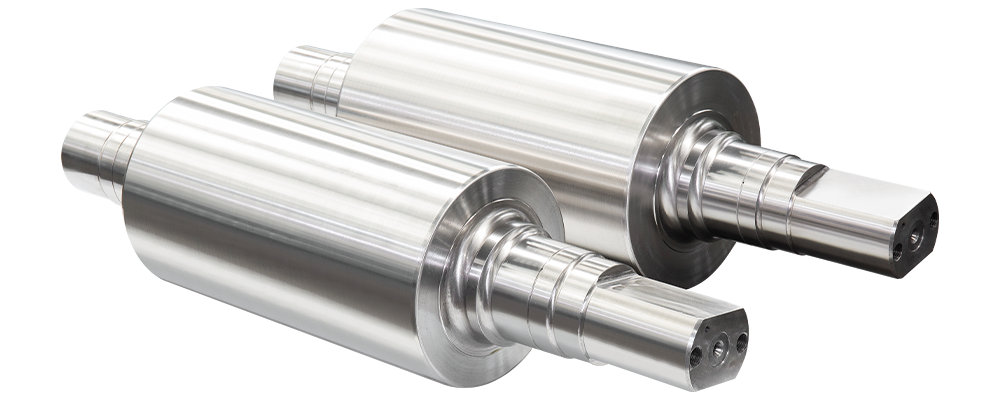
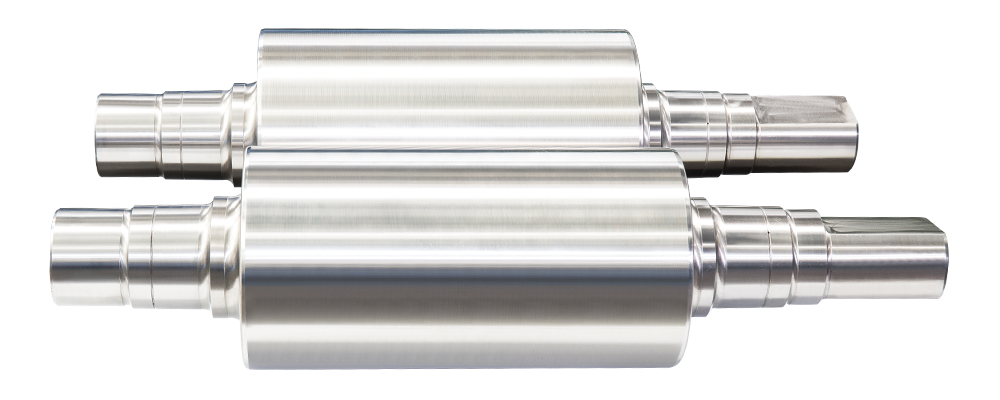
Forged rolls are widely used in hot rolling mills due to their excellent toughness, resistance to thermal cracking, and load-bearing capacity. Their uniform microstructure allows them to withstand heavy deformation during billet and slab processing.
These rolls are preferred in finishing stands because of their superior wear resistance and surface hardness. The chromium-rich carbides embedded in the matrix significantly reduce abrasion when rolling high-speed steel strips.
Composite rolls combine a hard outer shell with a tough core. This structure offers extended service life and reduced risk of catastrophic failure. They are commonly applied in cold rolling mills where surface quality is critical.
Each rolling mill stand experiences different mechanical loads and thermal exposure. Proper roll combination is based on these operating conditions.
| Mill Stand | Recommended Roll Type | Primary Function |
| Roughing Stand | Forged Steel Rolls | Heavy deformation and impact resistance |
| Intermediate Stand | Alloy Cast Steel Rolls | Balanced wear and strength |
| Finishing Stand | High-Chromium Cast Iron Rolls | Surface quality and wear resistance |
| Cold Rolling Stand | Composite Rolls | Precision thickness control |
Roll wear is one of the biggest cost drivers in rolling mills. By combining harder outer-layer rolls with tougher backing rolls, mills can significantly reduce spalling and surface degradation. Hard rolls resist abrasion, while ductile cores absorb stress.
In hot rolling mills, pairing forged work rolls with cast backup rolls helps distribute load evenly. In cold rolling, hardened composite work rolls with high-strength backup rolls ensure stable rolling pressure and minimal strip defects.
Proper roll grinding is essential when using multiple roll types. Different materials require specific grinding parameters such as wheel hardness, speed, and coolant flow. Failure to adjust grinding practices can lead to microcracks or uneven surfaces.
High-performance rolls come at a premium price, but combining them with standard rolls in low-stress areas significantly reduces total operational expense. Instead of using expensive wear-resistant rolls across the entire mill, strategic placement maximizes return on investment.
For instance, high-chromium rolls should focus on finishing stands where wear is most severe, while alloy steel rolls can handle intermediate zones efficiently.
Steel producers consistently report better strip flatness, reduced surface scratches, and more consistent thickness when using combined roll systems. Harder rolls provide stable profiles, while tougher rolls prevent vibration and chatter.
This approach is particularly valuable in automotive-grade steel production, where tight tolerances and surface perfection are mandatory.
Advanced metallurgy is driving the development of hybrid rolls with nano-structured surfaces and enhanced thermal shock resistance. These innovations will further refine roll combination strategies by offering longer service life with reduced maintenance.
Digital monitoring systems are also becoming common, tracking roll wear patterns in real time and recommending optimal roll placement across mill stands.
Combining rolling mill rolls is not simply a cost-saving tactic—it is a performance optimization strategy. By aligning roll material properties with rolling conditions, mills can improve product quality, extend roll life, and significantly reduce downtime.
Whether in hot rolling, cold rolling, or specialty steel production, a well-planned roll combination system is a critical factor in achieving long-term operational excellence.

Copyright © Huzhou Zhonghang Roll Co., Ltd. All Rights Reserved.


 English
 中文简体
中文简体