Content
Roll replacement is one of the most significant recurring costs in any hot rolling operation. Beyond the material cost itself, every unscheduled change means downtime, output loss, and potential quality deviations in the finished product. As mill speeds increase and production schedules tighten, the performance lifespan of a roll — measured not just in calendar time but in tonnage rolled per campaign — has become a defining competitive variable.
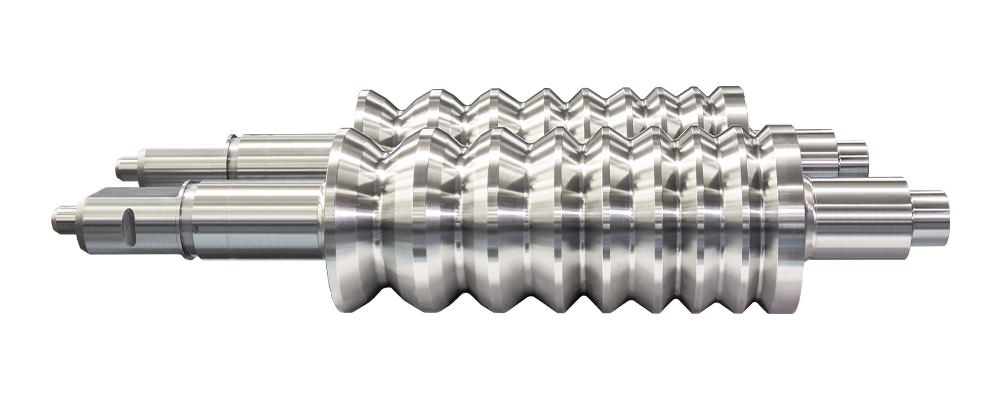
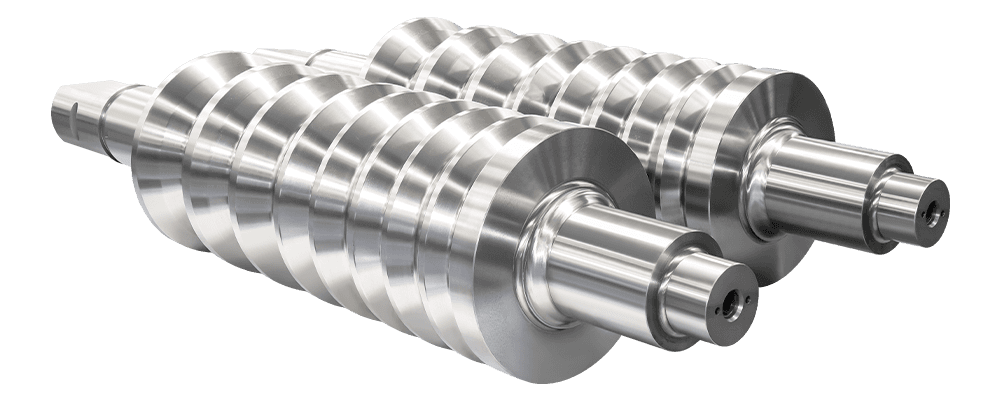
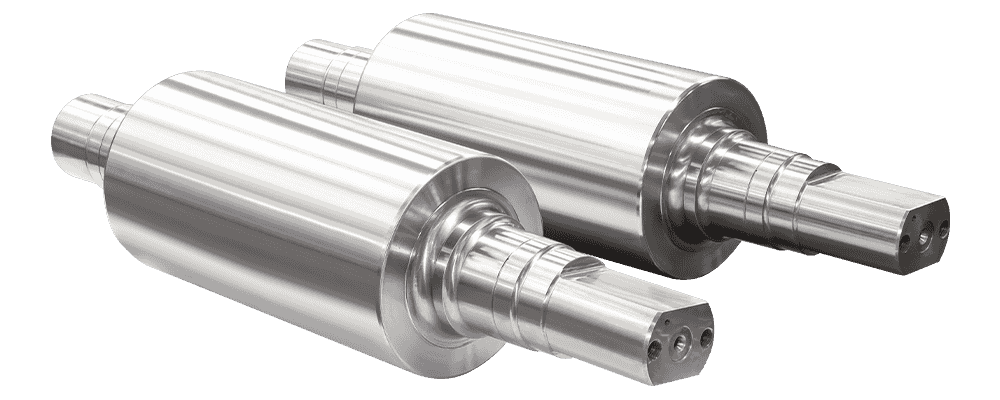
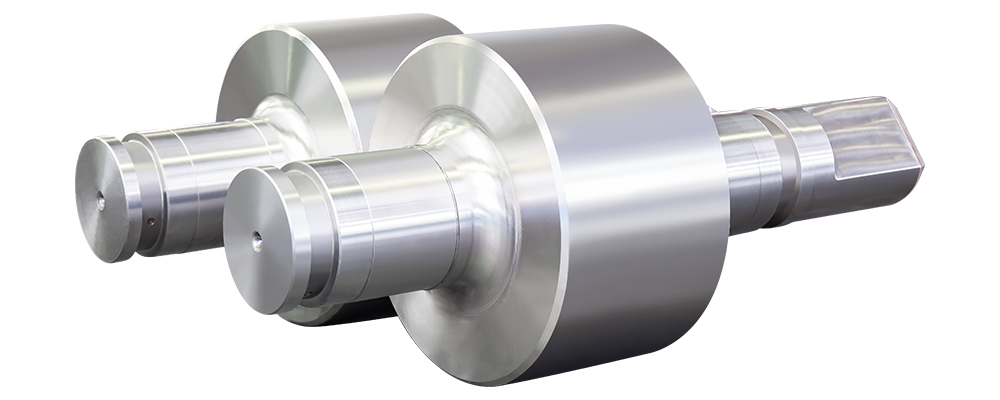
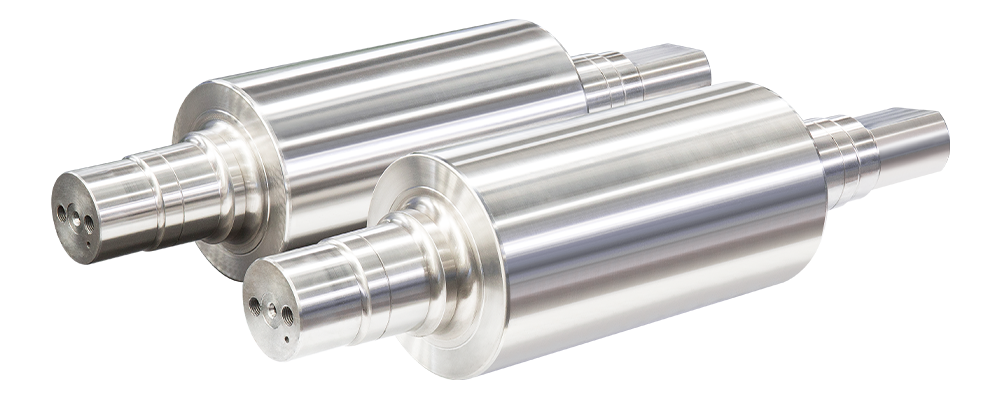
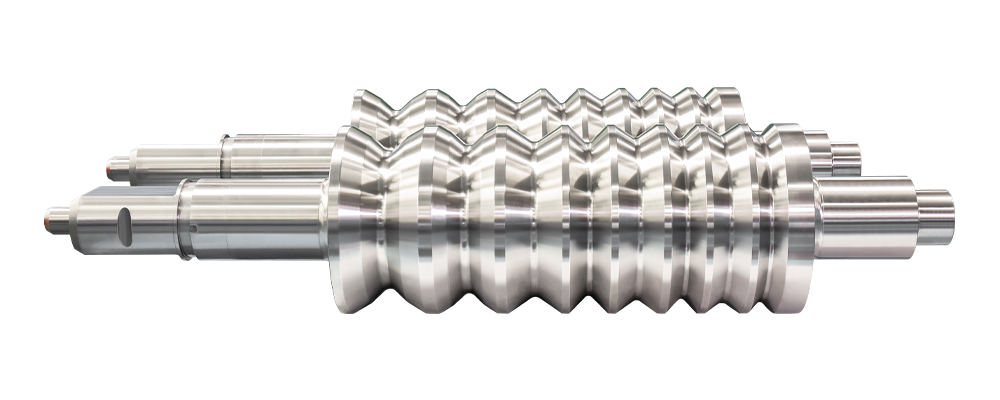
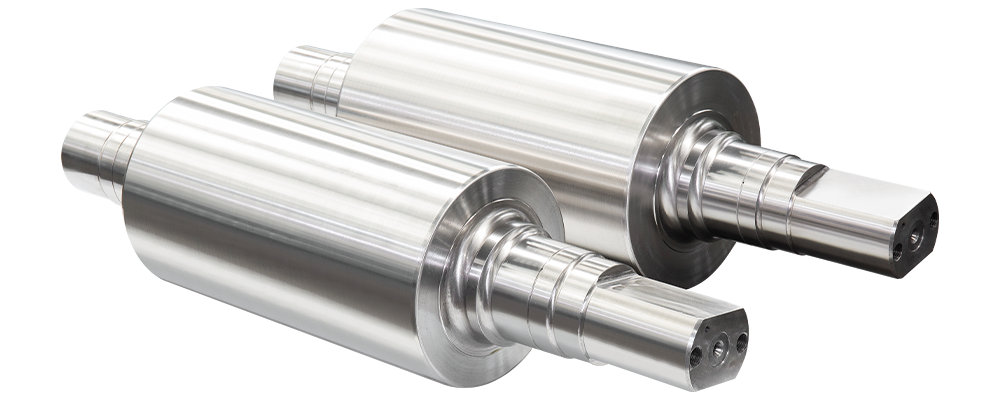
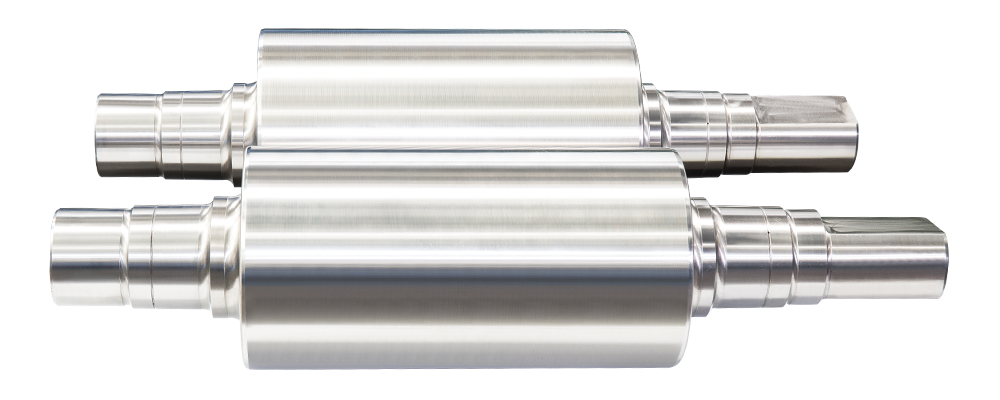
High speed steel rolls have emerged as the preferred solution for finishing and pre-finishing stands in bar mills, hot strip mills, and high-speed wire mills precisely because of how their material composition extends usable life under the most extreme thermal and mechanical conditions. Understanding what makes them durable — and what determines how long that durability lasts — is essential for any procurement or process engineering team evaluating roll specifications.
The longevity of a high speed steel roll begins at the alloying stage. HSS rolls carry significantly elevated concentrations of tungsten (W), molybdenum (Mo), vanadium (V), and chromium (Cr) compared to conventional roll steels — each element playing a distinct role in resisting the degradation mechanisms active during hot rolling.
Tungsten and molybdenum drive the formation of MC-type and M2C-type carbides within the microstructure. These carbides are extraordinarily hard and thermally stable, remaining intact even as surface temperatures spike during contact with hot billets. Vanadium further refines carbide distribution, producing a more uniform and finer structure that resists localized wear. Chromium contributes both to surface hardness and to a degree of oxidation resistance that slows scale-related surface degradation.
The result is a roll whose hardness profile does not follow the steep gradient seen in chilled iron rolls. In a standard HSS roll, hardness remains consistent from the outer working layer through to depth, meaning that as the surface wears during service, the newly exposed subsurface material performs at the same level. This translates directly into longer campaigns and more predictable regrinding schedules.
| Alloying Element | Typical Range in HSS (%) | Primary Contribution to Longevity |
|---|---|---|
| Carbon (C) | 1.50 – 2.20 | Base hardness, carbide formation |
| Chromium (Cr) | 3.00 – 8.00 | Hardness, oxidation resistance |
| Molybdenum (Mo) | 2.00 – 8.00 | Thermal stability, carbide network |
| Vanadium (V) | 2.00 – 9.00 | Wear resistance, fine carbide distribution |
| Tungsten (W) | 0.00 – 8.00 | High-temperature hardness retention |
| Nickel (Ni) | 0.00 – 1.50 | Toughness, crack propagation resistance |
The thermal environment inside a finishing stand is among the most hostile any engineered component encounters in continuous service. Roll surfaces are repeatedly cycled through high-temperature contact with hot metal, followed by rapid quenching from cooling water. This cycle generates steep thermal gradients within the roll body — and it is the ability to survive these gradients without fatigue cracking or surface spalling that separates long-life rolls from short-life ones.
HSS rolls are engineered to retain hardness at elevated temperatures. The carbide-rich matrix that gives these rolls their wear resistance does not soften significantly as surface temperatures rise during the rolling pass. This thermal stability means the roll holds its profile and surface quality through far more passes than conventional materials would allow before requiring a regrind.
High thermal conductivity also plays a role. A roll that conducts heat efficiently from the contact zone limits the peak temperature reached at any point on the surface, reducing the severity of thermal cycling. Combined with a well-controlled heat treatment process that builds in appropriate residual stress distributions, this creates a roll that resists the surface fatigue cracking that is one of the primary failure modes in hot strip finishing applications.
Not all high speed steel rolls should be specified to the same hardness level. The operating conditions in a finishing stand differ substantially from those in a pre-finishing or intermediate position — in terms of rolling speed, reduction per pass, strip temperature, and contact time. Selecting the wrong hardness grade for the position is one of the most common causes of premature roll failure and unnecessarily short campaign life.
For bar mill finishing and pre-finishing rolls, hardness in the HSD 75–95 range is the standard specification for HSS grades. This range delivers the combination of surface hardness needed for wear resistance with sufficient substrate toughness to absorb the impact loads inherent in bar rolling without edge chipping or body cracking.
Semi-high speed steel (S-HSS) grades, with a modified composition featuring lower carbon (0.60–1.20%) and reduced tungsten content, are tailored for hot strip work roll positions where the balance between hardness and thermal shock resistance shifts. Their hardness range of HSD 75–85 or 80–98 depending on sub-grade reflects this different optimization priority. We supply both full HSS and S-HSS specifications to match each stand position in a mill's rolling sequence.
The physical size of the roll also interacts with longevity. Our HSS roll production covers barrel diameters from Ø300 mm to Ø700 mm, giving process engineers the flexibility to match roll body dimensions to the bearing and housing constraints of existing equipment while still specifying the material grade most suited to the position.
Material composition sets the ceiling on a roll's performance potential, but the manufacturing process determines how close to that ceiling any given roll actually performs. Inconsistent casting, inadequate heat treatment, or poor surface finish all create starting conditions that shorten campaign life regardless of how well the alloy is designed.
Centrifugal casting is the preferred production method for HSS rolls because it produces a denser, more homogeneous outer working layer than static casting. The centrifugal force during pouring drives lighter impurities inward and ensures the high-alloy outer shell solidifies with a fine, uniform carbide distribution — the same distribution that will resist wear in service. The inner core, cast separately or allowed to solidify under different conditions, provides the toughness base that absorbs bending and shock loads during rolling.
Heat treatment after casting is equally critical. The treatment sequence — including controlled quenching and multiple tempering cycles — determines the residual stress state of the roll, the final hardness distribution, and the carbide morphology in the working layer. Rolls that receive inadequate heat treatment may meet hardness specifications on delivery but carry internal stress concentrations that manifest as premature surface cracking after only a few rolling campaigns.
As a professional manufacturer with over 30 years of metallurgical roll production experience, we maintain integrated foundry, heat treatment, and precision machining workshops under one roof, with quality traceability systems that link every roll to its full production record — from melt composition to final dimensional inspection.
A high speed steel roll does not reach end of life after a single campaign. The economics of HSS rolls depend substantially on how many regrind cycles the roll can sustain while continuing to deliver acceptable surface quality and dimensional performance. Maximizing the total tonnage rolled across all campaigns — not just the first — is the true measure of roll longevity.
Regular inspection after each campaign is the foundation of this multi-campaign approach. Non-destructive testing — including ultrasonic inspection and surface hardness verification — identifies any subsurface cracking or hardness deviation before the roll is returned to service. Catching a developing defect at this stage allows the grinding allowance to be used to remove it cleanly, whereas missing it risks a catastrophic shell loss during rolling that destroys the roll entirely and potentially damages other equipment.
The uniform hardness depth characteristic of HSS rolls is a significant advantage here. Because hardness does not drop sharply with depth into the working layer, each regrind removes material that is functionally equivalent to the surface it replaces. The roll continues to perform at the same wear resistance level through successive campaigns until the working layer is consumed. This is fundamentally different from rolls where hardness falls away with depth, where each regrind cycle yields a softer and faster-wearing working surface.
For mills looking to optimize both roll performance and total cost of ownership across the full product range, we offer high speed steel rolls alongside a complete range of cast iron and cast steel roll types — allowing the right material to be matched to every stand position in the mill rather than applying a single roll type across positions with very different operating demands.

Copyright © Huzhou Zhonghang Roll Co., Ltd. All Rights Reserved.


 English
 中文简体
中文简体