Content
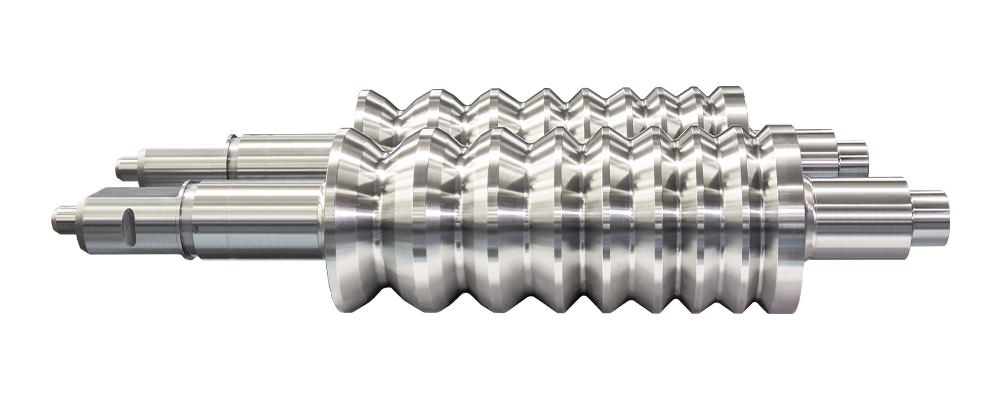
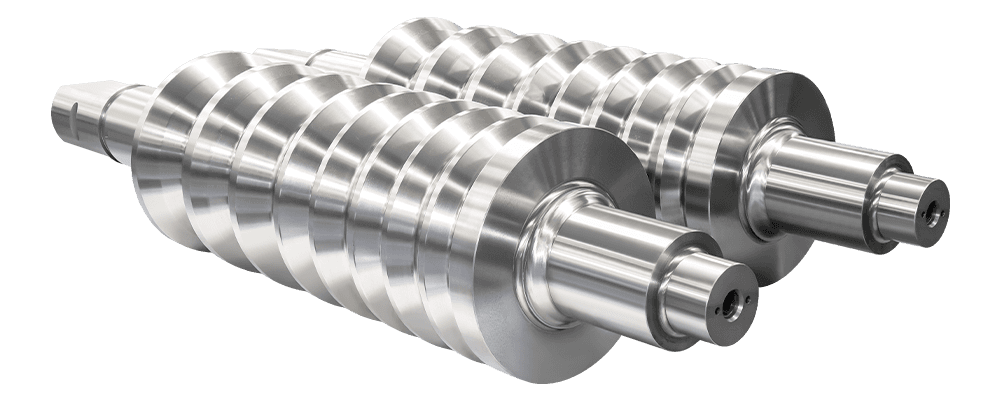
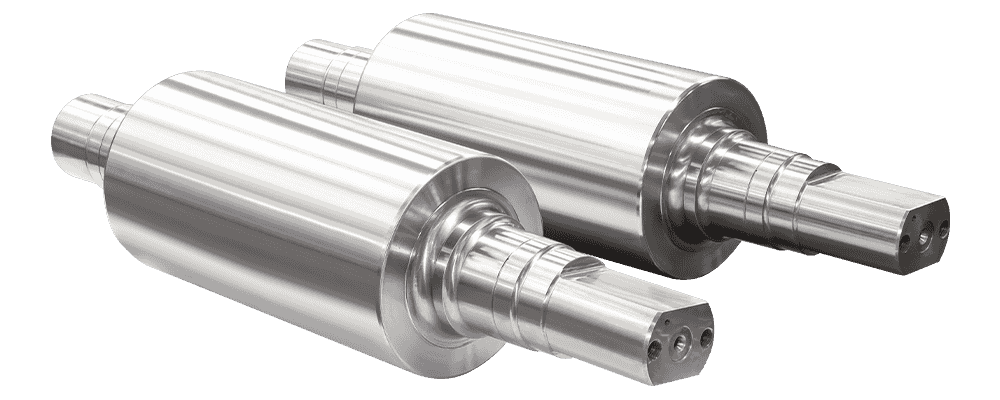
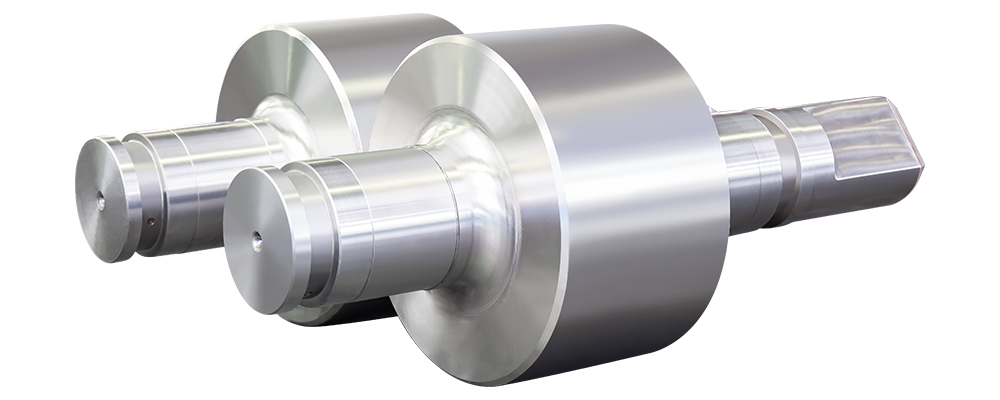
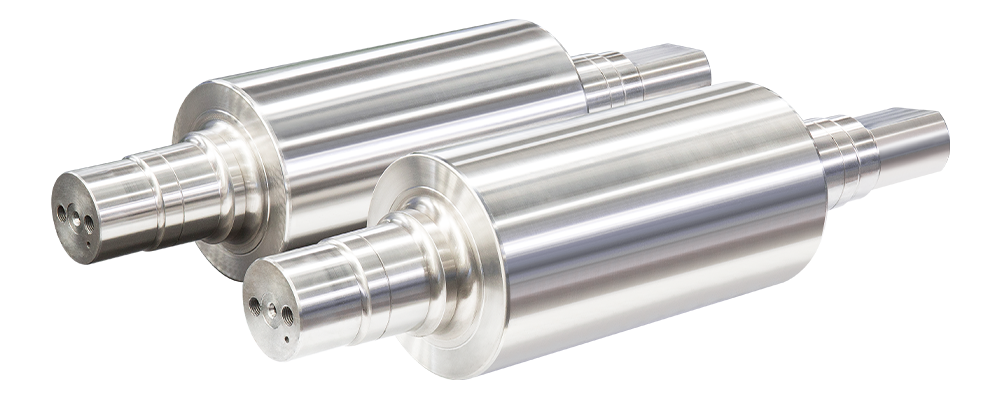
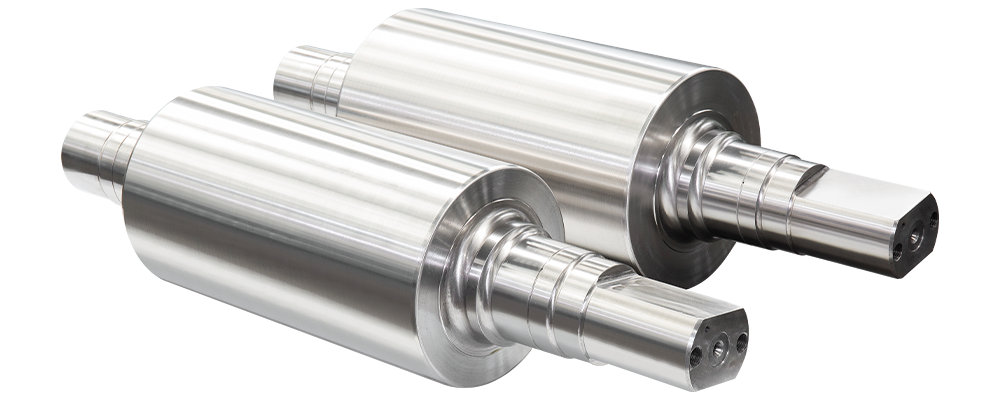
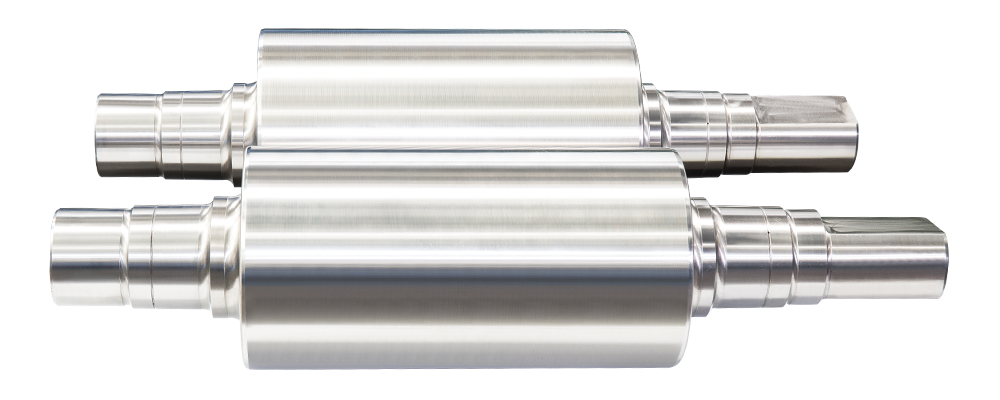
Pearlitic nodular cast iron rolls deliver a unique balance of high tensile strength, consistent hardness, and thermal stability that makes them a preferred choice for roughing and intermediate stands in hot rolling mills. The pearlitic matrix reinforced with spheroidal graphite provides excellent wear resistance and the ability to withstand sudden mechanical and thermal shocks – often referred to as “accident resistance”. This combination ensures long service life and reliable operation under demanding rolling conditions.
The core metallurgical design of these rolls rests on a predominantly pearlitic matrix with dispersed nodular graphite. The pearlite, a lamellar mixture of ferrite and cementite, imparts the necessary hardness and wear resistance. The spherical graphite particles, typically exhibiting a nodularity exceeding 85%, act as natural stress relievers and thermal conductors. This structure is achieved through careful control of composition and solidification.
A key feature is the working layer – a chilled shell containing a small amount of spherical graphite within a dense pearlite structure. This outer zone is formed by rapid cooling in the mold, producing a fine-grained microstructure that limits hardness variation across the roll body. The hardness difference between the surface and a depth of 20–30 mm is typically kept under 5 Shore C points, ensuring uniform wear behavior as the roll diameter decreases during service.
The performance envelope of pearlitic nodular cast iron rolls is defined by several critical parameters. These properties are engineered to meet the heavy demands of reversing roughers, breakdown mills, and intermediate stands.
Hot rolling subjects rolls to severe thermal cycling. Pearlitic nodular iron rolls maintain dimensional stability and mechanical integrity at temperatures up to 500°C in intermittent contact with hot steel. The nodular graphite particles inhibit crack propagation, transforming the material from a brittle to a more damage-tolerant state. In the event of a mill cobble where the workpiece jams, these rolls frequently survive without catastrophic fracture, saving both downtime and capital. Their ability to endure such incidents is a direct result of the combination of a tough pearlite matrix and spherical graphite – a structure that can absorb considerable plastic deformation before failure.
These rolls are deployed extensively across the steel industry where heavy reductions and thermal loads are the norm. Typical installations include:
The table below places pearlitic nodular iron in context with other roll grades used in hot rolling.
| Roll Material | Hardness (Shore C) | Tensile Strength (MPa) | Wear Resistance | Thermal Shock Resistance |
|---|---|---|---|---|
| Pearlitic Nodular Cast Iron | 40–55 | 500–650 | Good | Excellent |
| Indefinite Chill Double Poured (ICDP) | 60–70 | 400–550 | Very Good | Moderate |
| High-Chrome Steel | 65–80 | 700–900 | Excellent | Poor |
| Grain Roll (Adamite) | 35–50 | 400–600 | Fair | Good |
When specifying a pearlitic nodular cast iron roll, mill operators focus on several practical criteria to maximize rolling campaign length and product quality:
Practical experience shows that rolls manufactured with a double-pour technique, where a high-alloy chilled shell is fused to a tougher core, can extend service life by 20–30% compared to static cast single-pour rolls in the same application.
The widespread adoption of pearlitic nodular cast iron rolls stems from their proven ability to reduce tonnage cost. A comprehensive study of a medium-section mill showed that switching from conventional pearlitic gray iron rolls to ductile iron variants with a hardened pearlitic shell reduced roll consumption per ton by 18% while simultaneously lowering cobble-related downtime by 25%. The combination of high-temperature performance, impact safety, and predictable hardness decay makes them a strategic asset in any hot rolling operation where reliability is non-negotiable.
By focusing on a fully pearlitic matrix, a well-dispersed nodular graphite population, and a precisely controlled chilled working layer, modern manufacturers continue to push the boundaries of what these rolls can deliver in terms of surface quality and operational safety.

Copyright © Huzhou Zhonghang Roll Co., Ltd. All Rights Reserved.


 English
 中文简体
中文简体