Content
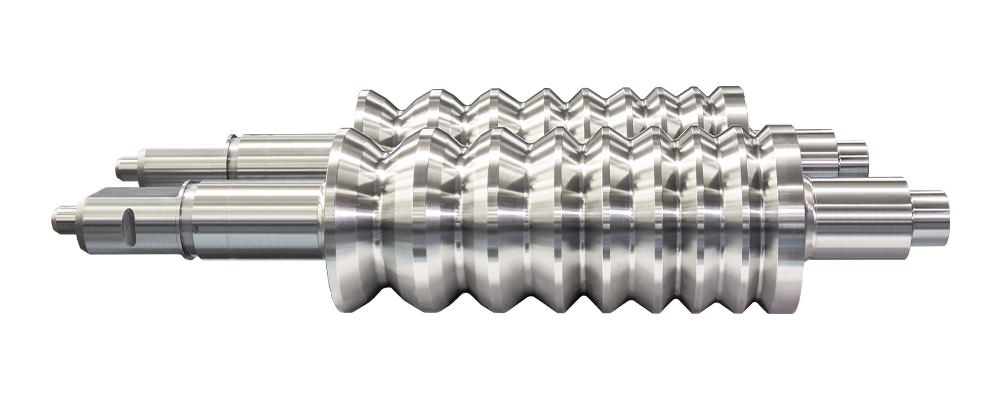
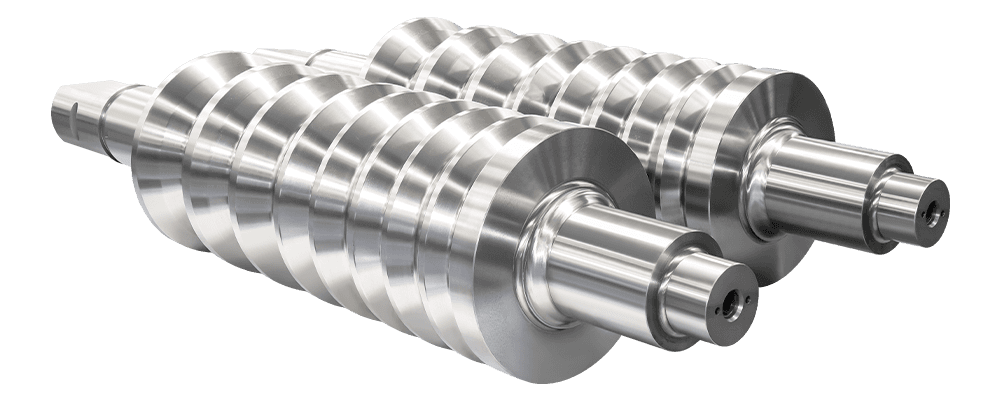
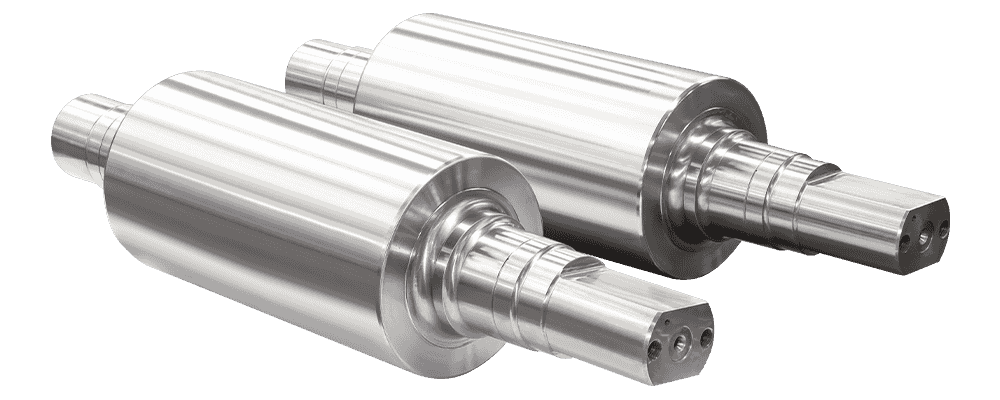
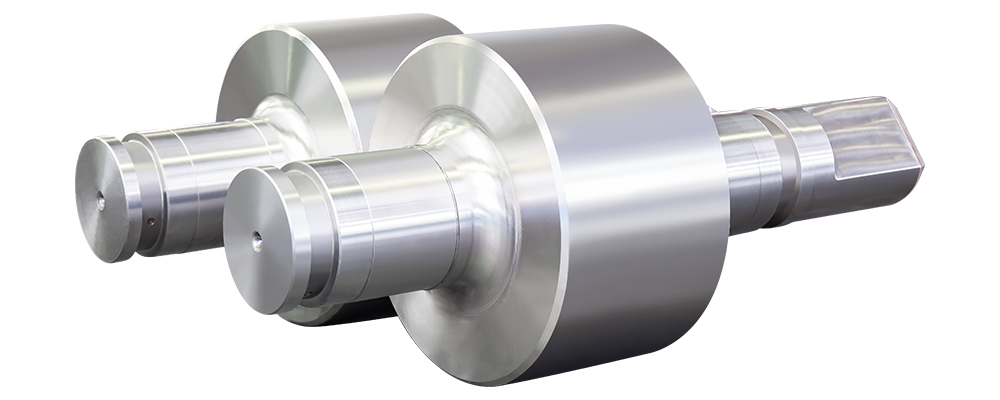
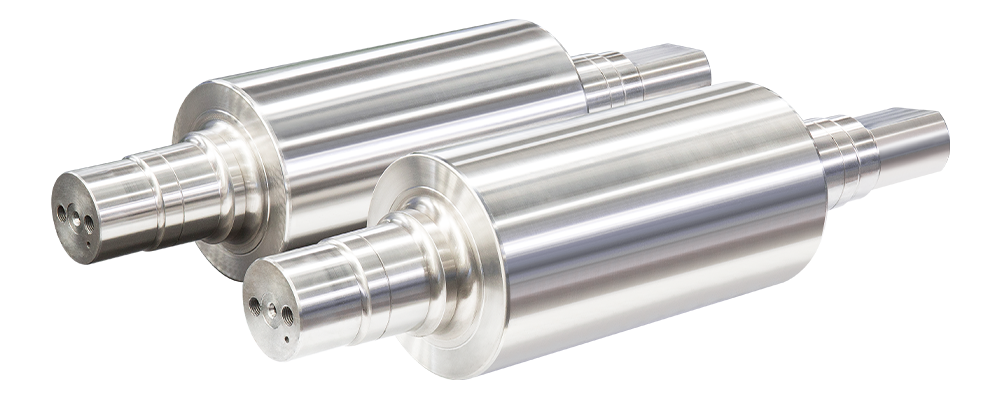
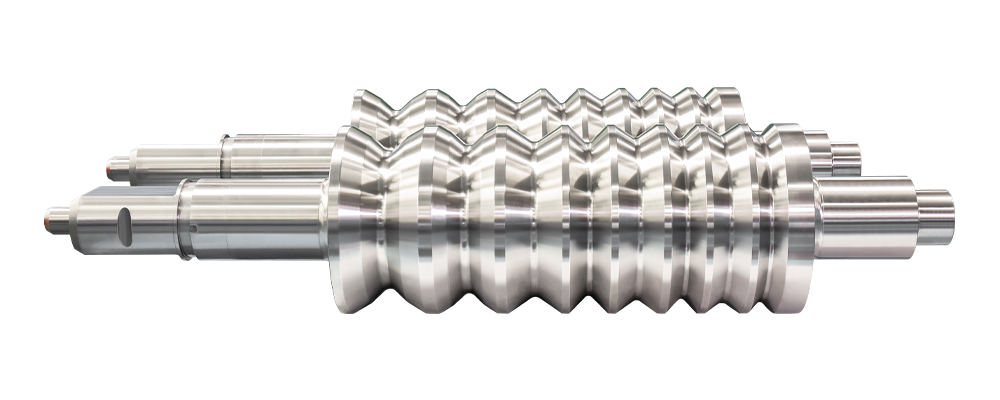
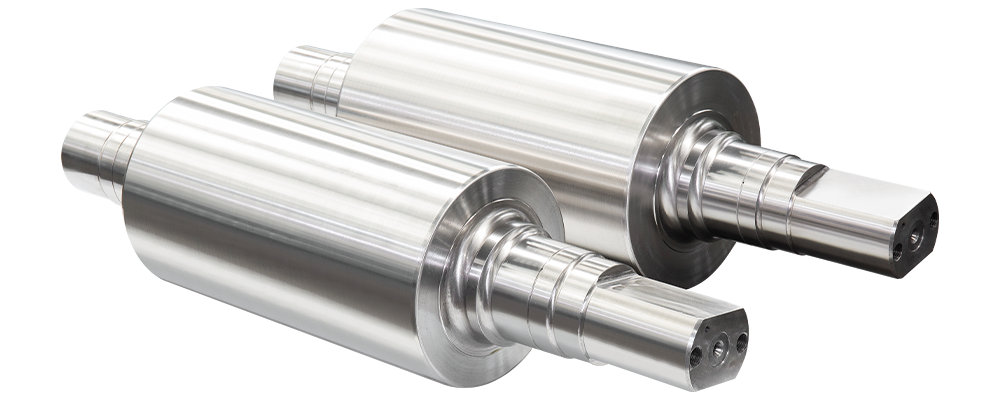
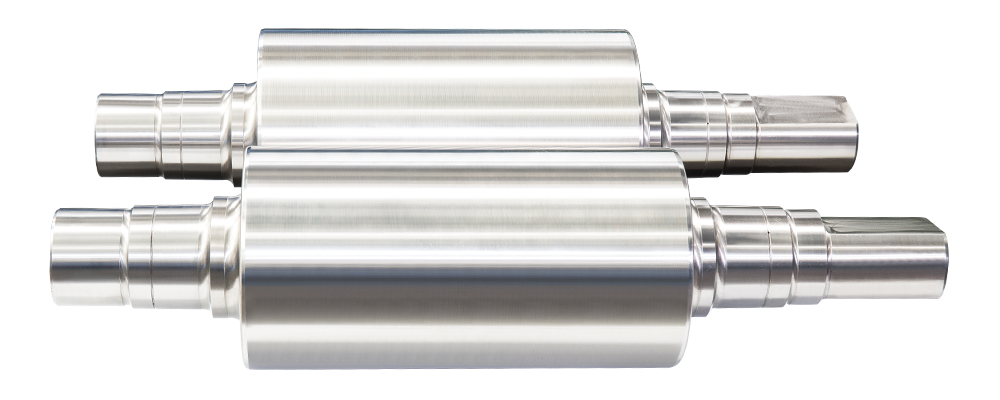
Cast steel roll is critical working components in rolling mills, directly responsible for shaping metal products such as plates, strips, bars, and sections. Their performance affects surface quality, dimensional accuracy, and production stability. Unlike cast iron rolls, cast steel rolls offer higher toughness and strength, making them suitable for heavy-load and high-impact rolling conditions. Understanding how these rolls function within the mill helps operators and engineers make informed decisions about selection and use.
The performance of a cast steel roll is largely determined by its chemical composition and microstructure. Typical materials include carbon steel and alloy steel, with controlled additions of chromium, nickel, molybdenum, or vanadium. These elements improve hardenability, wear resistance, and thermal fatigue strength. Proper balance is essential: excessive hardness may increase cracking risk, while insufficient alloying can shorten service life.
Cast steel rolls are produced through controlled melting, casting, heat treatment, and machining. Each step influences internal soundness and surface properties. During casting, proper gating and riser design reduce shrinkage defects. Subsequent heat treatment refines the microstructure, relieves internal stresses, and achieves the desired hardness gradient from surface to core.
Quality control typically includes chemical analysis, ultrasonic testing, and hardness measurement. These checks help detect internal flaws and confirm consistency before the roll enters service, reducing the risk of premature failure during operation.
In practice, the effectiveness of a cast steel roll depends on how well it matches the rolling conditions. Load intensity, rolling speed, temperature, and cooling methods all influence roll wear and fatigue. Rolls used in roughing stands prioritize toughness and resistance to impact, while finishing stands require better surface hardness to maintain product quality.
| Indicator | Practical Meaning |
| Wear Rate | Determines roll campaign length and grinding frequency |
| Thermal Fatigue Resistance | Affects crack formation during cyclic heating |
| Core Strength | Supports high rolling loads without deformation |
Selecting a cast steel roll should always be application-driven. For example, plate mills often require rolls with deeper hardened layers to handle heavy reductions, while bar and wire rod mills may focus on balanced wear resistance and toughness. Matching roll properties to the product mix helps achieve stable operation and predictable maintenance cycles.
Proper maintenance plays a major role in extending the service life of cast steel rolls. Regular inspection for surface cracks, spalling, and uneven wear allows early intervention. Grinding should remove only the necessary material to restore profile and surface quality, preserving the effective roll diameter for future campaigns.
Cooling practices during rolling are equally important. Uniform and adequate cooling reduces thermal gradients, lowering the risk of heat checking. Coordinated efforts between operators, maintenance teams, and roll suppliers can significantly improve roll performance consistency.
While cast steel rolls may have a higher initial cost than some alternatives, their value lies in reliability and adaptability. Evaluating cost should include roll life, downtime reduction, grinding intervals, and product quality stability. A well-chosen cast steel roll often results in lower overall operating costs and more predictable mill performance.
By focusing on material suitability, manufacturing quality, and disciplined maintenance, users can achieve consistent results and maximize the practical benefits of cast steel rolls in demanding rolling environments.

Copyright © Huzhou Zhonghang Roll Co., Ltd. All Rights Reserved.


 English
 中文简体
中文简体