Content
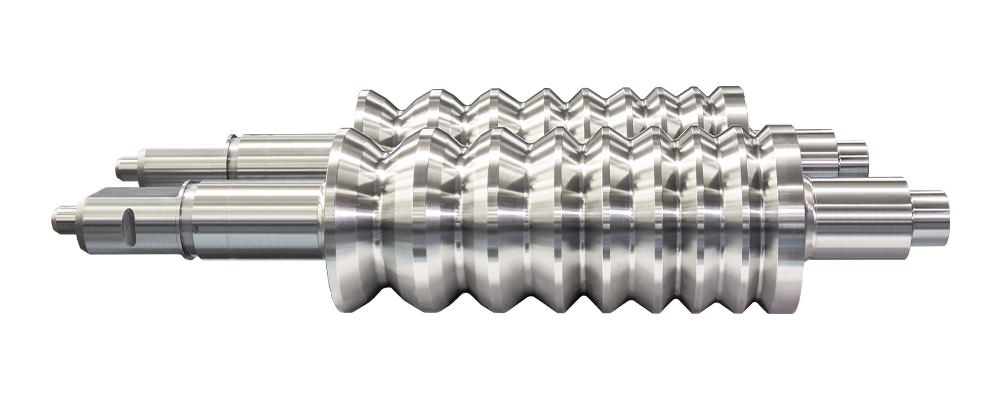
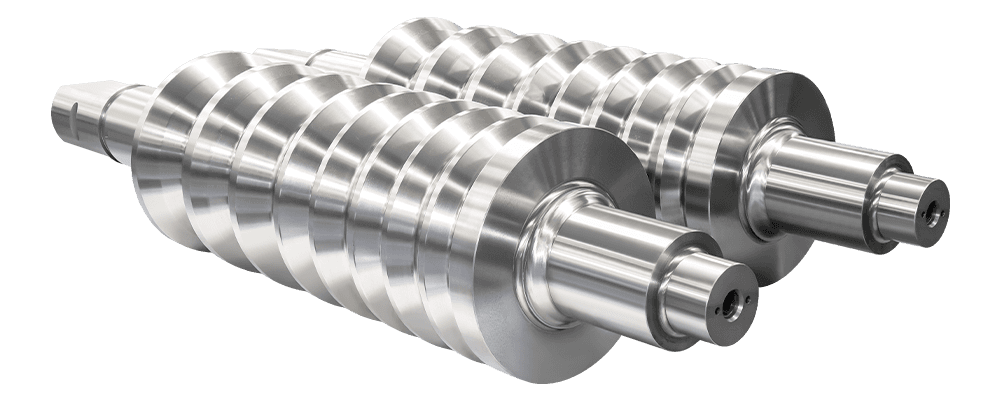
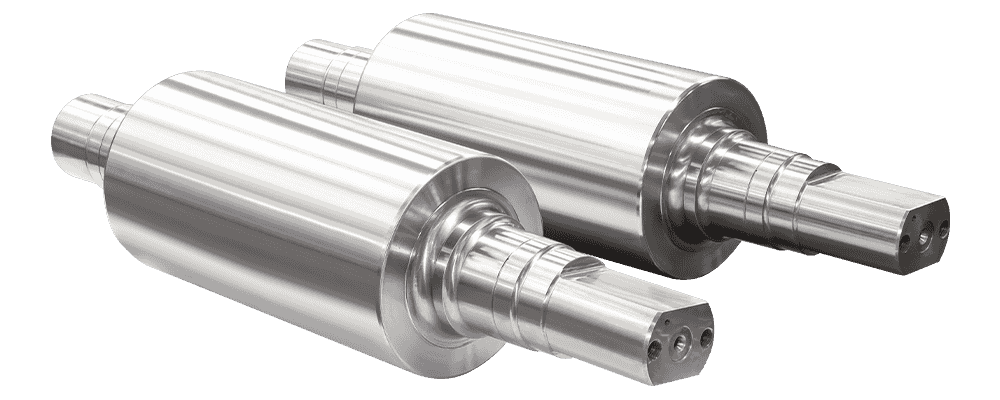
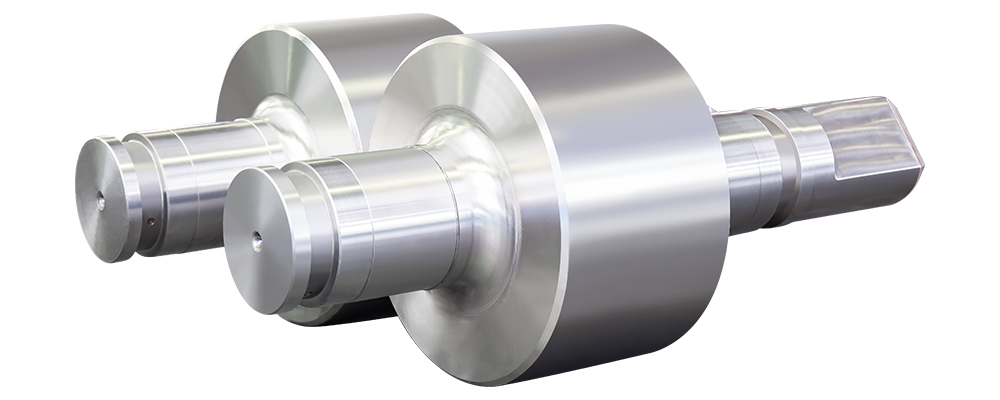
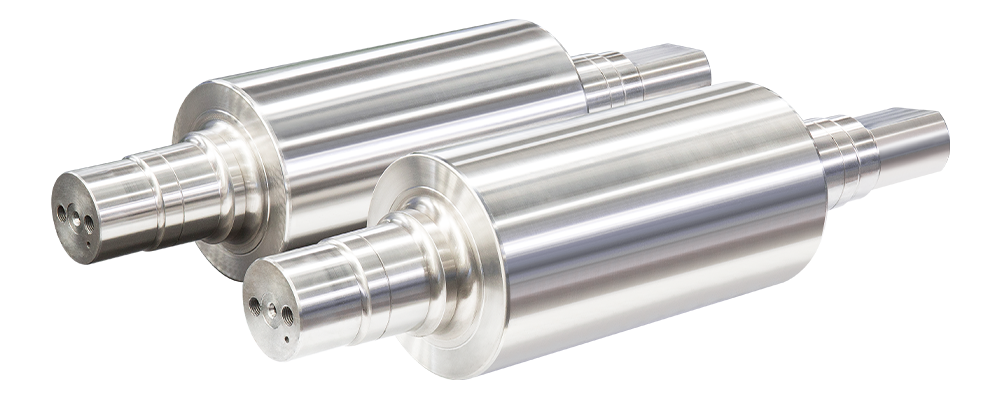
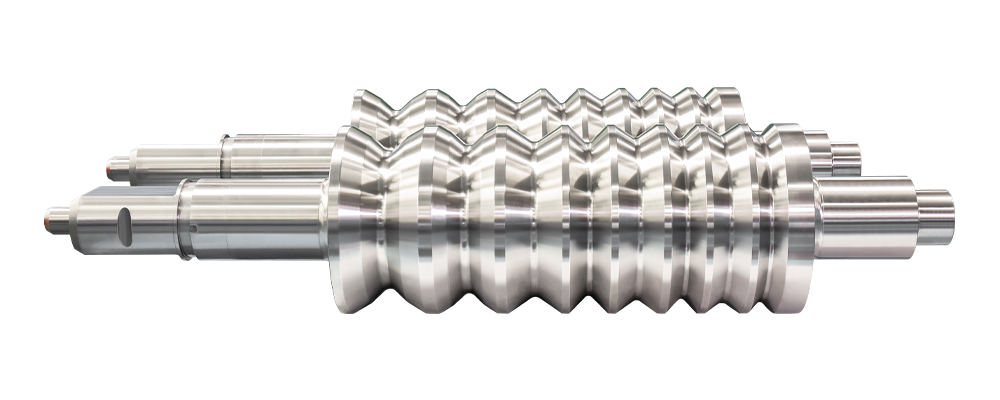
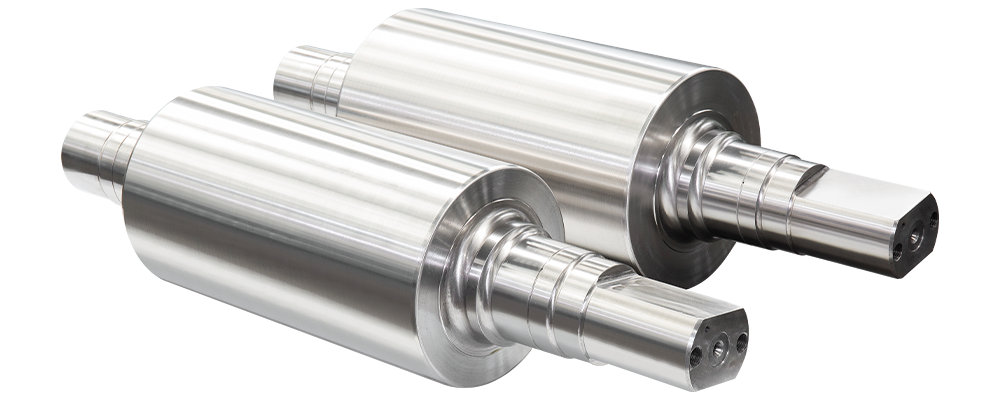
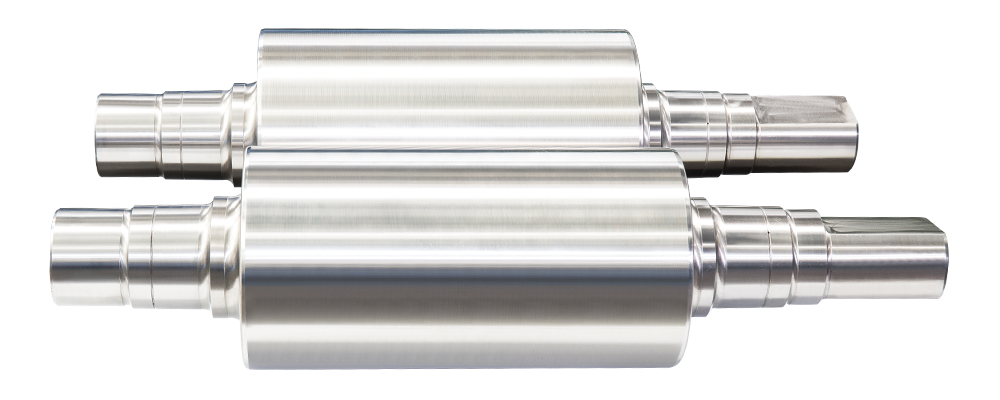
A rolling mill roll is the primary working component in metal rolling equipment that shapes and reduces metal thickness through rotational pressure. These cylindrical tools are mounted in pairs or groups within rolling mills to compress and elongate metal billets, slabs, or strips into desired shapes and dimensions. Rolling mill rolls operate at high temperatures and pressures, making them critical to the success of steel production, aluminum processing, and other metal forming operations.
The fundamental principle behind rolling mill rolls involves plastic deformation of metal between two counter-rotating cylinders. As the metal passes through the gap (called the "roll gap" or "pass"), the rolls apply compressive forces that reduce thickness while increasing length. Modern rolling mills can process materials ranging from massive steel slabs weighing several tons to thin aluminum foil measuring just 0.006mm in thickness.
Rolling mill configurations typically employ two distinct roll types. Work rolls make direct contact with the metal being processed, bearing the brunt of thermal and mechanical stresses. These smaller-diameter rolls (typically 300-800mm) allow for better shape control and surface finish. Backup rolls, with diameters reaching 1,200-1,800mm, support the work rolls and prevent deflection under heavy loads, particularly in four-high and six-high mill configurations.
| Roll Material | Hardness Range | Primary Application | Service Life |
|---|---|---|---|
| Chilled Cast Iron | 60-90 Shore C | Hot strip finishing stands | 15,000-25,000 tons |
| Forged Steel | 50-70 Shore C | Hot roughing mills, backup rolls | 30,000-50,000 tons |
| High-Speed Steel (HSS) | 85-95 Shore C | Cold rolling, thin strip production | 40,000-60,000 tons |
| Tungsten Carbide | 1,400-1,600 HV | Ultra-thin foil production | 100,000+ tons |
The production of rolling mill rolls involves sophisticated metallurgical processes designed to achieve optimal hardness, wear resistance, and thermal stability. Manufacturing typically follows these critical stages:
For high-speed steel work rolls used in cold rolling, the manufacturing cycle takes approximately 6-8 months from initial casting to final delivery, reflecting the extensive heat treatment and quality control processes required.
Rolling mill rolls endure extreme operating conditions. In hot rolling applications, surface temperatures can reach 600-700°C while the roll core remains at 100-150°C, creating severe thermal gradients. This cyclic heating and cooling causes thermal fatigue, manifesting as fire cracks on the roll surface. Cold rolling operations, while lower in temperature, impose contact pressures exceeding 1,500 MPa (megapascals), leading to subsurface fatigue and spalling.
The service life of rolling mill rolls is limited by several degradation mechanisms:
Modern mills implement online roll grinding systems that can restore roll profiles without mill shutdown, extending campaign life by 15-25% and improving product quality consistency.
Maintaining uniform thickness across the strip width requires sophisticated roll crown designs. CVC (Continuously Variable Crown) rolls feature a third-order polynomial curve profile that can be shifted axially during rolling to compensate for thermal expansion and wear. This technology, introduced by SMS group, achieves flatness tolerances of ±5 I-units (a specialized flatness measurement) on modern cold rolling mills.
Alternative systems include:
Surface engineering has become crucial for extending roll life. Physical Vapor Deposition (PVD) coatings apply titanium nitride or chromium nitride layers 2-5 micrometers thick, reducing friction coefficients from 0.3 to 0.15 and increasing wear resistance by up to 300%. In aluminum cold rolling, PVD-coated work rolls have achieved campaign lives exceeding 80,000 tons, compared to 40,000 tons for uncoated rolls.
Laser surface treatments create hardened zones with depths of 0.5-2mm and hardness increases of 200-400 HV, particularly effective for localized wear areas like roll edges.
Effective roll management directly impacts production efficiency and product quality. Leading steel producers implement comprehensive roll programs that optimize the following aspects:
Work rolls undergo regrinding after every 8-24 hours of operation in hot rolling mills, removing 0.3-0.8mm of material per grind. A typical work roll with an initial barrel diameter of 650mm can be reground 30-50 times before reaching the minimum allowable diameter of 550mm. Precision grinding machines maintain cylindricity within 0.01mm and roughness specifications critical for surface-sensitive applications like automotive body panels.
Modern mills employ sensor systems monitoring roll conditions in real-time:
These systems have reduced unplanned roll changes by 40-60% in facilities that have implemented comprehensive predictive maintenance programs, translating to annual savings of $2-5 million for a typical integrated steel mill.
Rolling mill rolls represent a significant operational expense. A complete set of work and backup rolls for a four-high cold rolling mill costs $1.5-3.5 million, while hot strip mill roll inventories can exceed $15-20 million for a facility producing 3-5 million tons annually.
Per-ton roll consumption varies dramatically by application:
Strategic roll management programs focusing on optimal grinding intervals, proper lubrication, and preventive replacement can reduce roll costs by 15-25% while simultaneously improving yield and reducing quality defects. For a medium-sized mill producing 2 million tons annually, this translates to savings of $600,000-1,000,000 per year.

Copyright © Huzhou Zhonghang Roll Co., Ltd. All Rights Reserved.


 English
 中文简体
中文简体